

Mangelwurzel is a traditional root vegetable that looks like an enormous beetroot. Also known as mangel wurzel or mangold wurzel, it was once widely grown for livestock feed but is now an interesting heritage crop for UK allotments and vegetable gardens.
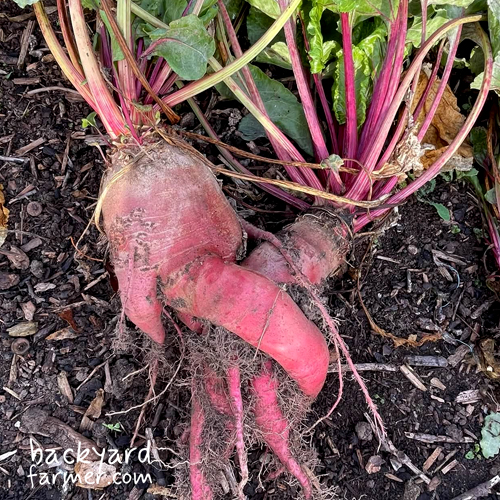
The roots can weigh several kilograms, and both the roots and leaves are edible. However, bigger isn’t always better for the kitchen. Younger roots are generally more tender, while fully mature mangelwurzels can become coarse and fibrous.
Closely related to beetroot, mangelwurzel is straightforward to grow and makes a substantial autumn crop if you have the space.
When to Sow Mangelwurzel in the UK
The best time to sow mangelwurzel outdoors in the UK is April to May, once the soil has begun warming up.
In milder southern areas, April sowings should establish well when conditions are suitable. Further north, or in colder and more exposed gardens, waiting until May may give more reliable germination.
Mangelwurzel needs a long growing season to develop its enormous roots, so spring sowing is preferable if maximum size is the goal.
Although some seed suppliers recommend starting seeds under glass earlier in the year, direct sowing is generally simpler and avoids disturbing the developing taproot.
Avoid sowing into cold, waterlogged soil. Exposure to low temperatures during early growth can encourage premature flowering, known as bolting.
Best Mangelwurzel Varieties to Grow
Two traditional varieties are particularly suitable for UK growers.
| Variety | Characteristics | Best for |
|---|---|---|
| Red Mammoth | Long, cylindrical roots with red colouring; capable of reaching an impressive size | Giant roots and general growing |
| Yellow Eckendorf | Large golden-yellow roots with pale flesh; known for storing well | Winter storage and traditional fodder growing |
BYF Pick: Red Mammoth
Red Mammoth is a good starting point for first-time growers. It produces distinctive, oversized roots, with much of the root developing naturally above the soil surface.
You can harvest younger roots for cooking or leave selected plants to reach their full size.
Yellow Eckendorf is another worthwhile choice, particularly for growers interested in a traditional winter storage crop.
Both varieties are available from specialist UK seed suppliers, including Kings Seeds.
Where to Grow Mangelwurzel
Mangelwurzel grows best in full sun with fertile, well-drained soil. Avoid shallow, heavily compacted or permanently waterlogged ground, which can restrict root development.
Before sowing, remove perennial weeds and large stones. Adding well-rotted garden compost can improve soil structure and moisture retention where needed.
There’s no need to dig deeply if the ground is already in good condition. Established no-dig beds can produce excellent roots, provided the underlying soil isn’t severely compacted.
Can You Grow Mangelwurzel in Raised Beds or Containers?
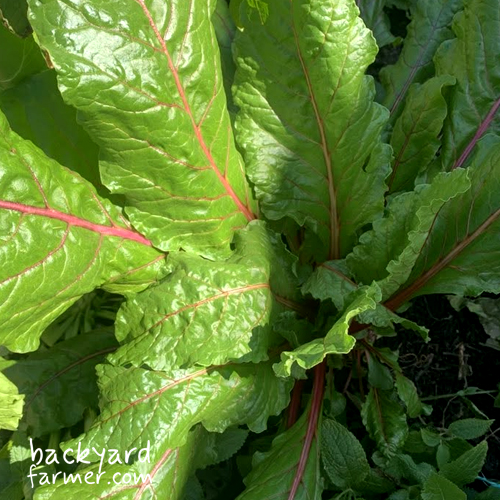
Raised beds work well if they provide enough soil depth and space for the plants to develop.
Containers are possible for smaller roots but impractical for giant mangelwurzels. Their substantial foliage and extensive roots make open ground or a generous raised bed the better option.
How to Sow Mangelwurzel Seeds
Direct sowing is the simplest method, allowing the roots to develop without being disturbed by transplanting.
- Prepare the ground. Remove weeds and rake the surface to create a reasonably fine seedbed.
- Make shallow drills. Sow approximately 1.5–2 cm deep, following the seed packet. Leave 30–40 cm between rows for ordinary growing, or more for giant roots.
- Sow thinly. Space seeds along the drills, allowing for thinning after germination.
- Cover and water. Gently firm the soil and water if the ground is dry.
- Maintain moisture. Check the seedbed regularly while the seeds germinate.
- Thin the seedlings. Once established, remove surplus plants to leave the required final spacing.
Like beetroot, mangelwurzel is commonly supplied as seed clusters that can produce more than one seedling. Don’t be surprised if several plants emerge close together.
Seeds generally germinate within a couple of weeks under suitable conditions, although cold soil can slow emergence.
Thinning early prevents overcrowding and gives the developing roots room to grow.
Mangelwurzel Plant Spacing: Eating Roots vs Giant Roots
The amount of space you give mangelwurzel depends on the size of root you want to harvest.
| Growing goal | Suggested plant spacing |
|---|---|
| Smaller roots for eating | 20–30 cm |
| Large mature roots | 30–45 cm |
| Giant roots | Approximately 45–60 cm |
Wider spacing gives each plant more room to develop its substantial foliage and root system. Allow wider rows as well if growing giant specimens. The 45–60 cm recommendation comes from practical grower experience rather than a fixed requirement.
You can also harvest alternate plants while they’re smaller, leaving more space for the remaining roots to grow.
Planning your growing space: Mangelwurzel can occupy considerably more room than ordinary beetroot. Use the free BYF Allotment Planner to allocate space alongside your other vegetables before sowing.
Caring for Mangelwurzel Through Summer
Once established, mangelwurzel needs relatively little attention beyond watering during dry weather and controlling weeds.
Watering
Keep the soil reasonably moist while seedlings establish. Mature plants can draw water from deeper in the ground, but prolonged drought may restrict root development.
Water thoroughly during extended dry spells rather than giving frequent light sprinklings. There’s no need to water when the soil is already adequately moist.
Feeding
Mangelwurzel benefits from fertile soil, but routine liquid feeding isn’t usually necessary in a well-maintained vegetable bed.
Garden compost can help maintain soil fertility. Additional nutrients may be needed in particularly poor ground, but avoid applying excessive fertiliser simply to encourage larger plants.
Weeding
Keep young plants free from competing weeds, particularly during their early growth.
Once the large leaves develop, they shade much of the surrounding ground. Take care when hoeing close to mature plants, as the upper roots may be exposed above the soil.
Common Mangelwurzel Growing Problems
Mangelwurzel is generally a robust crop, but a few problems can affect establishment and root quality.
| Problem | Cause or practical solution |
|---|---|
| Poor germination | Cold, waterlogged or excessively dry soil. Sow in suitable spring conditions and maintain moisture. |
| Bolting | Cold exposure during early growth can encourage premature flowering. Avoid unnecessarily early outdoor sowing. |
| Beet leaf miner | Larvae create pale tunnels and blotches in leaves. Consider insect mesh to protect vulnerable plants. |
| Woody roots | Fully mature roots can become coarse. Harvest younger for better eating quality. |
| Split roots | Fluctuating soil moisture can contribute to splitting. Water during prolonged dry spells. |
| Slug damage | Young seedlings are vulnerable. Inspect regularly and protect plants during establishment. |
Minor leaf damage doesn’t necessarily affect the harvest significantly. Healthy plants can often continue producing substantial roots despite losing some foliage.
When and How to Harvest Mangelwurzel
Mangelwurzel is generally harvested between September and November, although varieties such as Yellow Eckendorf may be harvested into December where conditions allow.
The ideal harvest time depends on whether you’re growing roots for eating or maximum size.
Harvesting Mangelwurzel for Eating
For cooking, there’s no need to wait until the roots reach their full size.
Younger mangelwurzels are generally easier to prepare and less likely to have the coarse, fibrous texture sometimes found in mature specimens.
Lift a smaller root to assess its eating quality before harvesting the rest. If you’ve planted several together, removing alternate roots also gives the remaining plants more room.
Harvesting Giant Mangelwurzels
For particularly large roots, leave the plants growing through summer and into autumn.
Mangelwurzel can continue gaining weight late in the season, especially during mild weather. Some varieties naturally develop much of their root above ground, which is perfectly normal.
However, exposed roots are vulnerable to freezing. Aim to lift the crop before damaging hard frosts.
To harvest, loosen the surrounding soil with a garden fork and carefully lift the root without cutting or bruising it. Avoid pulling heavily on the leaves, particularly when harvesting enormous specimens.
Large mangelwurzels can be surprisingly heavy, so take care when lifting them from firm ground.
Can You Eat Mangelwurzel?
Yes. Both mangelwurzel roots and leaves are edible, although the crop was traditionally grown mainly for livestock feed.
The flavour is often compared with beetroot, but sweetness and texture vary between varieties and individual plants. Some growers enjoy the roots roasted, while others find mature specimens too fibrous.
For the kitchen, smaller roots are usually the more practical choice.
Ways to prepare mangelwurzel include:
- Roasting: Peel and cut younger roots into pieces, then roast until tender.
- Mashing: Boil or steam peeled roots before mashing.
- Soups and stews: Dice the roots and add them to slow-cooked dishes.
- Leaves: Cook suitable young leaves in much the same way as Swiss chard.
Large roots may need longer cooking than ordinary beetroot.
Mangelwurzel also has a long history as winter livestock feed, but feeding quantities and preparation depend on the animal. Seek appropriate livestock nutrition advice before using it in substantial amounts.
How to Store Mangelwurzel Over Winter
Mangelwurzel was traditionally valued as a winter storage crop, providing substantial roots long after the growing season had finished.
The key is to store sound, undamaged roots somewhere cool, dark and protected from frost.
Preparing Roots for Storage
- Lift mature roots carefully to avoid cuts and bruises.
- Brush or shake off loose soil without washing them.
- Remove the leaves, leaving a short stalk to avoid damaging the crown.
- Separate damaged roots for earlier use.
- Place healthy roots into storage before they begin drying out.
Avoid washing roots before storage, as excessive surface moisture can encourage decay.
Where to Store Mangelwurzel
A cool, frost-free shed, garage or suitable outbuilding can work well, provided temperatures remain reasonably stable.
Pack unwashed, undamaged roots in boxes of sand, coir or suitable peat-free material. Keep the packing material slightly moist if needed to prevent shrivelling, but never saturated.
Check periodically for signs of drying or decay, removing any roots that begin to rot.
Under suitable conditions, mature mangelwurzels can remain usable for several months, although storage life depends on the variety, root condition and temperature.
What to Grow After Mangelwurzel
Because mangelwurzel is usually harvested in autumn, there may be limited time to establish another crop before winter.
If you clear the ground in October or November, a few practical options include:
- Garlic: Plant autumn varieties while soil conditions remain suitable.
- Broad beans: Autumn-sown varieties can establish in milder, sheltered gardens.
- Winter mulch: If you’re not replanting, cover the soil with compost or another suitable mulch until spring.
The following season, consider growing a crop from a different plant family rather than immediately repeating mangelwurzel, beetroot or Swiss chard in the same bed.
Use the UK Vegetable Planting Calendar to explore suitable crops for the time of year.
Frequently Asked Questions
Both are cultivated forms of Beta vulgaris. Beetroot has been selected primarily for eating quality, while mangelwurzel was traditionally developed to produce large roots for livestock feed. Mangelwurzel generally grows much larger and needs more space.
Yes. Both the roots and leaves are edible. Younger roots are generally preferable for cooking because very large, mature mangelwurzels can become tough and fibrous.
Individual roots can weigh several kilograms. UK allotment growers have reported roots weighing around 4 kg, although the final size depends on variety, spacing, soil and growing conditions.
Mangelwurzel is normally grown from spring sowing through to an autumn harvest. Roots can be lifted earlier for eating, while giant specimens are left to develop for most of the growing season.
Mangelwurzel may tolerate light autumn frost, but hard freezing can damage the roots, particularly where they grow above ground. Lift mature roots before damaging frosts and store them somewhere frost-free.
Smaller roots can be grown in large, deep containers, but giant mangelwurzels need considerable growing space. Open ground or a generous raised bed is generally more practical.