
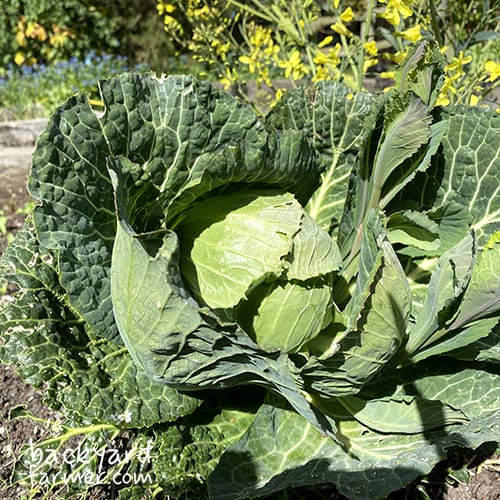
Despite the name, spring cabbage grown for a spring harvest is normally sown in late summer, planted out in autumn and left to overwinter.
The plants sit through the coldest months before putting on stronger growth as light and temperatures increase. You can harvest them early as loose spring greens or leave them longer to form mature heads.
Spring Cabbage Quick Guide
| Spring cabbage | |
|---|---|
| When to sow | July to August |
| When to plant out | September to October |
| When to harvest | March to May |
| Position | Full sun |
| Soil | Firm, fertile and well drained |
| Spacing | 15–20cm initially if harvesting alternate plants as spring greens; around 30–40cm for mature heads |
| Main winter pest | Pigeons |
| Protection | Bird netting; fine insect mesh while cabbage whites are active |
When to Sow and Plant Spring Cabbage in the UK
Spring cabbage is usually sown from July to August and planted into its final position during September or October.
The aim is to have sturdy, well-rooted plants going into winter without encouraging them to become excessively large before cold weather arrives.
| Stage | Typical timing |
|---|---|
| Sow | July–August |
| Plant out | September–October |
| Overwinter | November–February |
| Harvest | March–May |
Exact timing varies by variety and location, so check the seed packet. Avoid leaving sowing too late, as small plants may struggle to establish before winter.
For detailed sowing and transplanting instructions, see our guide to growing cabbage in the UK.
Best Spring Cabbage Varieties
Choose varieties bred specifically for overwintering and spring harvesting.
| Variety | Best for |
|---|---|
| Durham Early | Early spring greens and pointed heads |
| April | Compact plants and smaller spaces |
| Offenham 2 | Traditional spring greens or mature heads |
| Duncan F1 AGM | Reliable spring harvesting |
If you want both early greens and mature heads, choose a variety suited to both and harvest some plants young while leaving the rest to develop.
How to Plant Spring Cabbage
Plant spring cabbage into firm, fertile and well-drained soil so the plants remain secure through winter.
Spacing depends on how you plan to harvest:
- 15–20cm apart if you intend to take alternate plants as spring greens.
- Around 30–40cm apart for plants you want to develop into mature heads.
- Plant firmly, with the lowest leaves around soil level, then water well.
- Use fine insect mesh while cabbage white butterflies are still active.
- Put bird netting in place before winter pigeon pressure increases.
For the full planting method, see our main cabbage growing guide.
How to Overwinter Spring Cabbage
Spring cabbage is grown specifically to spend winter outside, but the plants still benefit from a little attention during rough weather.
Keep Plants Firm
Winter wind and repeated freezing and thawing can loosen plants in the soil.
Check the crop after bad weather and gently firm any loose plants back into the ground. Keeping the roots securely anchored helps prevent damage and gives the plants a better start once spring growth resumes.
Avoid Waterlogged Ground
Good drainage is important through winter.
Spring cabbage can tolerate cold conditions, but plants sitting in saturated soil for long periods are more likely to struggle. On heavy ground, use the best-drained part of the plot and avoid allowing water to collect around the roots.
Expect Slow Winter Growth
Spring cabbage does not need to make lots of growth during the darkest months.
Growth naturally slows through winter. The crop should remain healthy and established, ready to accelerate again as conditions improve.
Does Spring Cabbage Survive Frost?
Yes. Established spring cabbage is bred to overwinter and tolerate normal UK winter conditions.
Growth slows during cold weather, but healthy plants generally begin growing more strongly again as temperatures and daylight increase.
Small, stressed or poorly rooted plants are more vulnerable than established ones, and exposed sites or persistently wet soil can still cause problems.
Protecting Spring Cabbage From Pigeons and Pests
Pigeons are one of the main winter problems for spring cabbage – we have a full guide on Pigeons munching your Brassicas here.
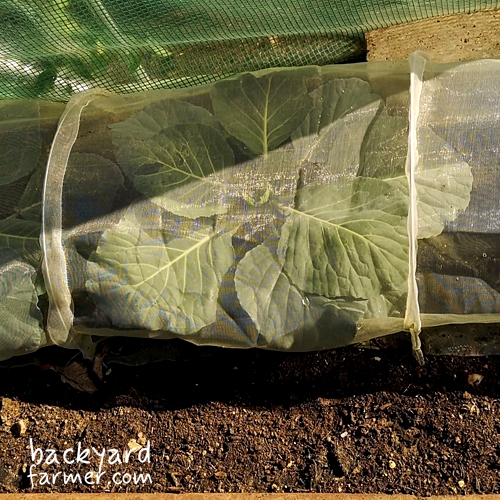
As other food becomes scarce, exposed brassicas can be stripped quickly. Protect the crop with securely fixed bird netting and check it after strong winds or snow.
Earlier in autumn, cabbage white butterflies may still be active. Use fine insect mesh rather than relying on bird netting, as butterflies can pass through larger holes.
Slugs and snails can also remain active during mild, wet periods, particularly around young plants.
For wider cabbage pest and disease advice, see the main cabbage growing guide.
Spring Growth and Care
Growth begins to speed up as days lengthen and temperatures rise.
Check plants in early spring and firm back any that have loosened over winter. Keep weeds down so they are not competing for water and nutrients.
Water during dry spring weather, particularly once plants begin growing strongly again.
If the soil was prepared well before planting, extra feeding may not be necessary. Feed only if growth is weak or the soil is low in fertility.
When to Harvest Spring Cabbage
Spring cabbage can be harvested in two useful ways.
Harvesting as Spring Greens
Plants can be cut while the leaves are still loose and before a firm head develops.
If you planted closely, harvesting alternate plants as greens gives the remaining cabbages more room to form mature heads.
Harvesting Mature Heads
Leave the remaining plants until the heads become firm and reach a sensible size for the variety.
Cut the cabbage cleanly at the base with a sharp knife and remove any badly damaged outer leaves.
You can find more information here: ‘When to Harvest Cabbage in the UK: Signs It’s Ready‘
Spring Cabbage vs Spring Greens
Spring cabbage and spring greens are closely related rather than completely separate crops.
Spring greens are usually young, loose-leaved spring cabbages harvested before they form a firm head.
The same planting can therefore provide an early crop of greens and, if some plants are left longer, mature spring cabbage heads later in the season.
Spacing and harvest timing determine which result you get.
Spring Cabbage FAQs
Usually July to August, followed by planting out in September or October for a spring harvest.
Yes. Spring cabbage is specifically grown to overwinter. Established plants cope well with normal winter conditions, although good drainage and protection from pigeons remain important.
No. Winter cabbage is mainly grown for harvesting through late autumn and winter, while spring cabbage is overwintered for harvesting after winter.
See our guide to growing winter cabbage in the UK for that crop.
Yes. Young plants can be harvested while the leaves are still loose and eaten as spring greens, or left longer to develop mature heads.