
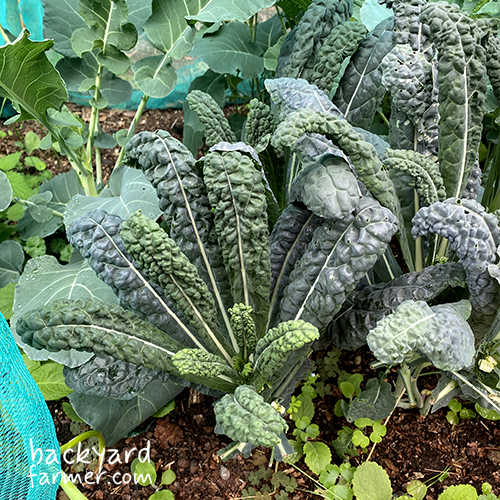
Kale is one of the most reliable vegetables to grow in the UK. Sow it from March to June, plant it out from May to July and you can harvest fresh leaves from September through to May. It tolerates cold weather, grows in full sun or light shade and needs little attention once established.
Protect young plants from pigeons, caterpillars and slugs, and give mature kale enough room to grow. Get those basics right and a few plants can crop throughout autumn and winter.
When to Sow and Plant Kale in the UK
Sow kale from March to June. Early sowings have longer to form large plants for autumn and winter, while later sowings produce a later crop.
Raising mature kale in modules and planting it outside from May to July is usually the most reliable method. You can also use an outdoor seedbed or sow directly into the final position, although small seedlings are harder to protect from pests.
Best Kale Varieties to Grow in the UK
There is no single best kale variety to grow in the UK. Choose according to your space and the type of leaves you want.
| Type | Best for | What to expect |
|---|---|---|
| Curly kale | Best all-round choice | Hardy plants with frilled leaves and a traditional kale flavour |
| Dwarf curly kale | Pots and small beds | Compact plants that are easier to net and less exposed to wind |
| Cavolo Nero or Tuscan kale | Narrow beds | Upright plants with long, dark leaves |
| Red Russian or Siberian kale | Tender young leaves | Flat, divided leaves with colourful stems; these are usually Brassica napus rather than Brassica oleracea |
| Baby-leaf kale | Quick crops | Closely sown plants harvested while the leaves are small |
Where to Grow Kale
Kale grows best in full sun but will also crop in light shade. Deep, permanent shade produces weaker, less productive plants.
Choose fertile soil that holds moisture without becoming waterlogged. Add well-rotted compost before planting if the ground is poor, then firm the soil so tall plants are less likely to rock in winter winds.
Kale remains in the ground for many months, so avoid areas that regularly flood in winter. On an exposed allotment, a compact variety will also be easier to support and cover than a tall one.
How to Sow Kale Seeds
Module sowing is the most dependable method for full-sized kale:
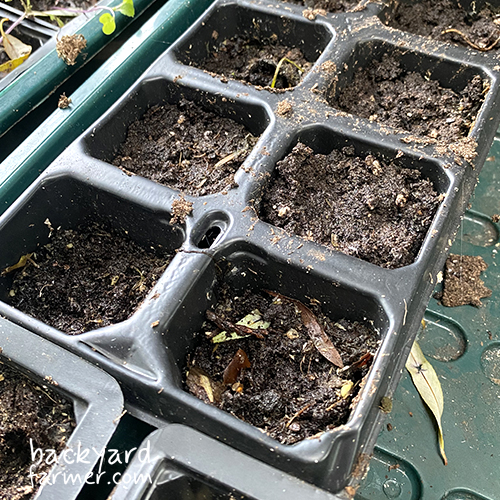
- Fill modules with peat-free seed compost.
- Sow one or two seeds per module at a depth of 1cm.
- Water gently and keep the compost moist but not saturated.
- If both seeds grow, keep the stronger seedling and remove the other.
Grow the seedlings somewhere bright and protected. Before planting them outside, harden them off over about a week by gradually increasing the time they spend outdoors.
Give seedlings plenty of light once they emerge and do not let the modules dry out. Move them on before they become root-bound or start competing for space.
Using an outdoor seedbed: Sow thinly in a shallow row, 1cm deep. Keep the soil moist and protect the seedlings from birds, slugs and flea beetles. Move them once they have several true leaves and a firm root ball.
Growing baby-leaf kale: Sow more closely in a row or container and cut the leaves while they are young. Baby-leaf crops do not need the 30–60cm spacing used for mature plants.
Planting Out and Spacing Kale
Plant kale outside from May to July once the seedlings are sturdy and have around four or five true leaves.
Spacing depends on the variety:
- About 30cm for compact or dwarf kale
- Around 45cm for most full-sized plants
- Up to 60cm for tall or vigorous varieties
Closer spacing gives smaller plants, while wider spacing allows a larger canopy to develop. In a square-foot bed, one mature plant per square is a useful starting point, but vigorous types will overhang neighbouring squares.
Water the seedlings before transplanting. Plant them firmly, burying the stem up to the lowest leaves for added support, then water well. Put the appropriate netting or mesh in place straight away.
How to Grow Kale in Pots
Grow one compact kale plant in a pot around 30cm wide and deep. Larger curly kale or Cavolo Nero will do better in a container closer to 40cm wide. Use peat-free multipurpose compost, make sure the pot has good drainage holes and do not crowd several mature plants into one container.
Pots dry out faster than garden soil, particularly in windy weather. Water when the top of the compost begins to dry and use a suitable liquid vegetable feed when needed. Place the container in full sun or light shade, preferably somewhere sheltered from strong winter winds.
Caring for Kale Plants
Kale needs little attention once established:
- Water: Keep new plants evenly moist and water established kale during prolonged dry spells.
- Mulch: Add organic mulch to retain moisture and suppress weeds, keeping it clear of the stem.
- Weed: Remove competing weeds while the plants are young.
- Feed: Fertile ground rarely needs extra feed. Container plants may need feeding as the compost is depleted.
- Tidy: Remove yellow or badly damaged lower leaves.
- Support: Stake tall plants if they begin to lean or rock on exposed plots.
Check plants after strong winds or repeated freezing and thawing. If the root area has loosened, firm the soil gently around the stem.
Kale Pests and Problems
Pigeons
Pigeons can strip kale, especially during winter. Cover the crop with securely supported bird netting and check that birds cannot get underneath or become trapped.
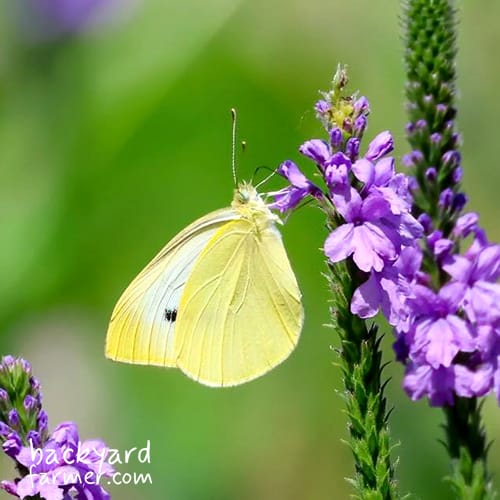
Cabbage White Caterpillars
Use fine insect mesh from the time kale is planted out. Seal the edges and keep the mesh above the leaves, as butterflies may lay eggs through material resting against the crop. Check leaf undersides and remove any eggs or caterpillars you find.
Slugs, Snails and Flea Beetles
These cause the most trouble while plants are small. Raising kale in modules gives it a useful head start. Check for slugs after damp weather and use fine insect mesh if flea beetles are making numerous small holes in young leaves.
Cabbage Aphids and Whitefly
Remove badly affected leaves or dislodge small colonies with water. Check folded leaves and the growing centre, where cabbage aphids can be difficult to spot. Whitefly often looks worse than the damage it causes, but heavily infested old leaves can be removed.
Clubroot
Clubroot causes swollen roots, stunted growth and wilting even when the soil is moist. Remove affected plants, improve drainage and grow future brassicas elsewhere for as long as practical. A normal crop rotation may reduce the risk, but it does not eliminate clubroot from contaminated soil. Test the soil before considering lime rather than adding it blindly.
How to Harvest Kale So It Keeps Growing
Pick the older outer leaves from the bottom upwards, leaving the small central leaves and growing point untouched. The centre will continue producing new growth.
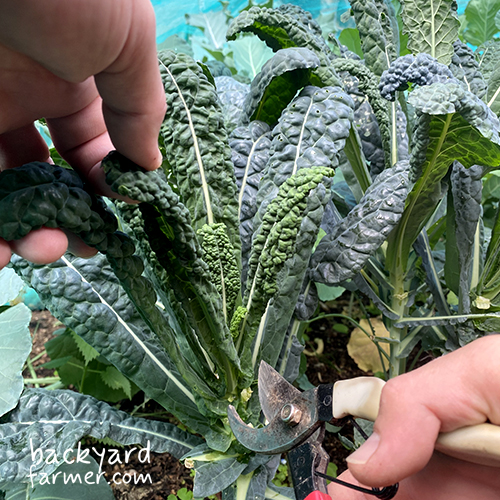
Take a few leaves from each plant rather than stripping one bare. Snap them off cleanly or cut close to the stem without damaging it. Regular picking keeps the crop manageable and gives you younger, more tender leaves.
In spring, established plants may produce tender flowering shoots. These are edible, but once kale starts flowering heavily, the main harvest is coming to an end.
Growing Winter Kale in the UK
Winter kale is sown in spring or early summer so it has time to establish before temperatures and light levels fall. Established plants are hardy and normally need no frost protection in an average UK winter.
Cold weather can improve the flavour of some varieties, although wind, waterlogged soil and pigeons are greater winter risks than frost. Hardy plants can continue cropping into spring and may provide leaves as late as May.
What to Grow After Kale
Once kale is cleared, follow it with a crop outside the brassica family. Moving brassicas around the plot reduces the build-up of pests and diseases, although ordinary rotation should not be treated as a cure for clubroot.
Depending on when the bed becomes free, follow kale with peas, French beans, courgettes, squash, beetroot, carrots, leeks or fast-growing salads. Remove the old stem and root, then add compost only if the next crop needs richer soil.
Frequently Asked Questions
Yes. Sow kale from March to June so it is well established before winter. Many varieties tolerate frost and can be harvested throughout the colder months.
Kale grows in light shade, although full sun usually produces stronger plants. Avoid deep shade, where growth will be slower and less productive.
Allow roughly 30–60cm between plants. Use the closer spacing for compact varieties and the wider spacing for tall or vigorous kale.
Yes. Grow one compact plant in a pot around 30cm wide and deep, or use a larger container for full-sized kale. Keep the compost watered and feed when needed.
Harvest the larger outer leaves and leave the central growing point intact. Take a few leaves at a time and the plant should continue producing new ones.
Most curly kale, Cavolo Nero and Red Russian kale are grown as annual or biennial crops. They can survive winter and flower in their second year, but they are not perennial kale.
Final Takeaway
Sow kale from March to June, give mature plants enough room and protect them from birds and caterpillars. Harvest the outer leaves regularly and the plants can keep cropping from autumn well into spring.