
Winter cabbage isn’t a single variety, but a group of hardy cabbages grown for harvesting from late autumn through winter. Hardy varieties cope well with cold, but they need time to establish before the worst weather arrives.
Spring cabbage is slightly different: it is usually overwintered specifically for harvesting the following spring, while winter cabbage is grown mainly for mature heads through the colder months.
Winter Cabbage Quick Guide
| Winter cabbage | |
|---|---|
| When to sow | Late spring to early summer |
| When to plant out | June to July |
| When to harvest | Late autumn through winter |
| Position | Full sun |
| Soil | Firm, fertile and well-drained |
| Spacing | Around 45–60cm, depending on variety |
| Main winter pest | Pigeons |
| Protection | Bird netting; fine insect mesh earlier in the season |
When to Sow and Plant Winter Cabbage in the UK
Most winter cabbage is sown in late spring or early summer, then planted into its final position during early to midsummer.
This gives the plants time to establish and make most of their growth before temperatures and light levels begin to fall.
| Stage | Typical timing |
|---|---|
| Sow | May to June |
| Plant out | June to July |
| Main growth | Summer to autumn |
| Harvest | Late autumn through winter |
Exact timing varies by variety, so always check the seed packet. Some winter cultivars can be started earlier or harvested later than these general timings.
For detailed sowing and transplanting instructions, see our guide to growing cabbage in the UK.
Best Winter Cabbage Varieties
Winter cabbage includes smooth-headed varieties, Savoys and January King types. Choose a variety bred for winter cropping rather than expecting a tender summer cabbage to stand through cold weather.
| Variety | Type | Best for |
|---|---|---|
| Tundra AGM | Savoy cabbage | Reliable winter heads and good standing ability |
| January King 3 | January King type | Traditional late autumn and winter cropping |
| Wintessa AGM | Savoy | Hardy winter harvesting |
| Endeavour AGM | Savoy | Late-season and winter crops |
If you want to harvest over a longer period, growing more than one winter type can help spread the crop.
How to Plant Winter Cabbage
Plant winter cabbage into firm, fertile and well-drained soil in full sun. Larger winter varieties need enough space to form full heads and stand securely through rough weather.
Allow roughly 45–60cm between plants, depending on the variety.
When planting:
- Firm each plant well into the soil.
- Water thoroughly after planting.
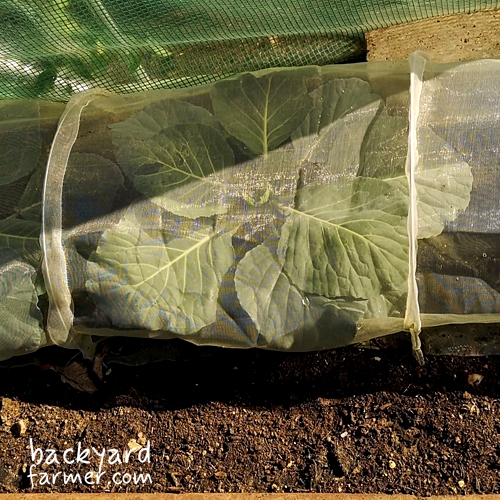
- Use fine insect mesh while cabbage white butterflies are active.
- Cover with bird netting by autumn, before pigeons become a problem.
For the full planting method and general cabbage spacing, see our main cabbage growing guide.
Caring for Winter Cabbage
Once established, winter cabbage needs relatively little attention, but wind and wet weather can cause problems as the season progresses.
Keep Plants Firm
Large winter cabbages can become top-heavy once their heads begin to fill.
Check plants after strong winds or periods of frost and gently firm the soil around any that have started to loosen. A securely rooted cabbage is less likely to rock and suffer root damage.
Avoid Waterlogged Ground
Winter cabbage can cope with cold better than it copes with sitting in saturated soil for long periods.
Good drainage is particularly important through autumn and winter. If your ground stays very wet, choose the best-drained part of the plot or grow on a raised bed where appropriate.
Feeding
Prepare the soil with compost or well-rotted organic matter before planting.
Once established in fertile ground, winter cabbage should not need heavy late feeding. Avoid excessive nitrogen going into winter, as you want sturdy plants rather than lots of soft leafy growth.
Does Winter Cabbage Survive Frost?
Yes. Hardy winter varieties are bred to tolerate frost, particularly once the plants are well established.
Growth slows considerably as temperatures and light levels fall, so winter cabbage should make most of its growth before the coldest weather arrives.
Savoy and January King types are particularly well known for their winter hardiness. Young, stressed or poorly rooted plants are more vulnerable than mature plants.
Protecting Winter Cabbage From Pigeons and Pests
For many UK growers, pigeons are the main winter cabbage pest.
Once other food becomes scarce, they can quickly strip exposed brassica leaves. Cover the crop with securely fixed bird netting and check it after strong winds. Keep the netting raised above the plants where possible.
Cabbage white butterflies are more of a problem earlier in the growing season. Fine insect mesh is the better protection at this stage because butterflies can pass through ordinary bird netting.
Slugs and snails may also remain active during mild, wet weather, so continue checking around young plants and the base of mature heads.
Can You Leave Cabbage in the Ground Over Winter?
Yes. Hardy winter cabbages can often be left standing and harvested as needed.
This can be one of the advantages of growing winter varieties, as you do not need to cut every head as soon as it matures.
Harvest a cabbage sooner if it:
- Starts to split.
- Shows significant pest damage.
- Begins to soften or deteriorate.
Otherwise, healthy heads can often remain on the plant until you are ready to use them.
When and How to Harvest Winter Cabbage
Winter cabbage is ready when the head feels firm and solid and has reached a normal size for the variety.
Cut the head cleanly at the base with a sharp knife and remove any badly damaged outer leaves.
There is little benefit in waiting indefinitely once a head is mature. Harvest damaged or splitting cabbages first, while healthy heads can be left standing for later use where conditions allow.
We have a full guide on harvesting cabbages here.
Storing Winter Cabbage
Winter and storage varieties generally keep better than tender summer cabbages.
Store only firm, undamaged heads somewhere cool, dry, frost-free and well ventilated, checking them regularly for deterioration
If outdoor conditions remain suitable, leaving healthy winter cabbages standing on the plant until needed can be simpler than harvesting the whole crop at once.
Winter Cabbage FAQs
Winter cabbage can remain outdoors through winter, but growth slows considerably in cold, low-light conditions. Most growth takes place during summer and autumn before the coldest weather arrives.
Hardy varieties can survive winter, but established plants cope better than small or stressed seedlings. This is why winter cabbage is normally planted out well before autumn.
Tundra AGM is a strong all-round winter variety. January King types and hardy Savoys such as Wintessa are also good choices for winter harvesting.
No. Winter cabbage is mainly grown for mature heads harvested through late autumn and winter.
Spring cabbage is normally sown in summer, overwintered and harvested the following spring, either as spring greens or mature heads.
For that crop, see our guide to growing spring cabbage in the UK.