

Spinach is one of those crops that looks dead easy on paper until it suddenly is not. One week it looks great, and the next it is bolting, sulking in dry soil, or giving you far less than the space felt worth.
The big thing with growing spinach in the UK is timing. Spinach is best treated as a cool-season crop, so it usually does far better in spring or from late summer into autumn than it does in warm, bright weather.
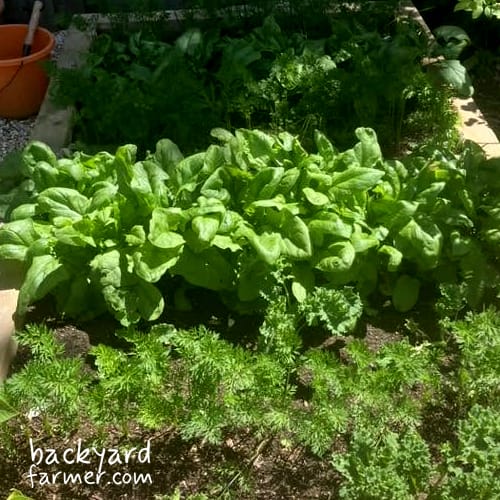
- Best seasons: spring and late summer into autumn
- Main risk: bolting in warm, dry, or stressful conditions
- Works well in: beds, raised beds, pots, and allotments
- Best approach: sow little and often instead of one big row
- Best for: baby leaves, larger cooking leaves, and cooler-season cropping
In this guide, I’ll show you how to grow spinach in the UK in a way that suits real gardens, not just seed packets. We’ll cover when to sow it, how to stop it bolting too quickly, how to grow it in beds or pots, and when perpetual spinach might actually be the better shout.
If you just want the quick version, use the guide widget below. If you want better harvests and fewer bolting headaches, read on.
When to Sow Spinach in the UK
When it comes to growing spinach in the UK, timing does most of the heavy lifting. Sow it in the right window and it can be quick, productive, and well worth the space. Sow it too late, especially once the weather starts warming up, and it can bolt before it gives you much back.
In plain terms, spinach is a cool-season crop.
| Best sowing window | What to expect |
|---|---|
| Spring | Quick, steady growth if the weather stays cool and the soil holds moisture |
| Late summer to early autumn | Often the most reliable window, with less pressure from heat and long days |
| Winter | Slower growth, but established plants can still give small pickings with protection |
Spring spinach in the UK
For most growers, spring is the main sowing window. In milder parts of the UK, you can start under cover from February, then sow outdoors from March once the soil is workable. For plenty of gardens and allotments, March to April is the safest and most useful stretch.
This is when spinach usually grows well without the stress of real heat or very long days. You can keep sowing into May, but once warmer weather starts building, results often become a lot less dependable.
Autumn spinach in the UK
Late summer and early autumn are often overlooked, but they can easily be the better window. Sowing from late August into September often gives better results than trying to drag a crop through warm late spring or summer conditions.
As temperatures ease and day length shortens, spinach is under less pressure to bolt. Growth is slower than in spring, but it is often steadier, and the leaves usually stay tender for longer.
Can spinach grow in winter?
Yes, but it slows right down, so it helps to be realistic. In mild areas, established plants can keep producing small pickings outdoors in winter, especially with a bit of shelter. In colder inland spots, exposed allotments, or northern gardens, fleece, cloches, a cold frame, or a greenhouse will make a noticeable difference.
If you sow a suitable variety in late summer or early autumn and get it established before the cold really sets in, you can often keep picking over winter and into early spring.
The easiest approach
For most UK growers, the best method is to sow spinach little and often rather than in one big row.
- Sow a short run every couple of weeks in spring
- Start a second run in late summer or early autumn
- Be cautious with late spring and summer sowings
The most common timing mistake is sowing too late in spring, then blaming the crop when it bolts quickly. In most UK conditions, spinach is at its best before summer heat builds, or once it starts easing off again.
Why Spinach Bolts in the UK and How to Stop It
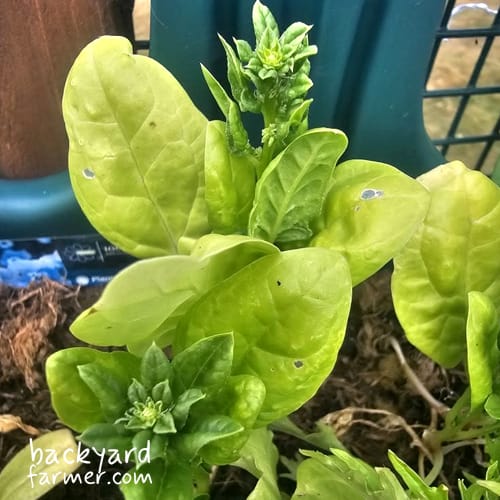
Bolting is the main reason so many people end up falling out with spinach. One minute it looks settled in, and the next it is throwing up a flower stem and heading off in completely the wrong direction.
Once that starts, leaf quality drops fast. The plant puts its energy into seed instead of fresh growth, so you usually end up with tougher, less useful leaves.
The awkward part is that spinach does not need a heatwave to do this. In UK conditions, spinach bolts when a few stresses stack up at once.
| Common trigger | What happens | What to do |
|---|---|---|
| Heat and dry soil | The plant acts as if its season is ending and starts rushing towards seed | Keep moisture steady, mulch lightly, and use a bit of shade in warm spells |
| Longer days | Late spring and early summer naturally push spinach towards flowering | Sow earlier in spring or wait for late summer and autumn |
| Overcrowding | Plants compete for light, water, and airflow | Thin seedlings before they start pressing together |
| Transplant stress | Checked plants are more likely to sulk or bolt | Direct sow where possible, or plant out modules while they are still young |
Heat and dry soil
Spinach likes steady, cool growing conditions. When the soil dries out and the weather starts warming up, it is much more likely to bolt. That is why one spring sowing can do brilliantly, while another suddenly runs to seed after a warm dry spell.
Long days and seasonal shift
Spinach naturally becomes more likely to bolt as day length increases. That is one reason it often behaves far better in early spring and again from late summer into autumn than it does in late spring or early summer.
Overcrowding and transplant stress
Stress does not just come from the weather. Overcrowded seedlings, rough transplanting, or plants left too long in modules can all push spinach in the wrong direction.
How to slow bolting down
- sow in the cooler windows, especially spring and late summer
- keep the soil evenly moist
- thin plants before they become crowded
- harvest regularly instead of leaving plants sitting too long
- use partial shade in warmer spells if needed
- choose slower-bolting varieties, but do not expect them to do all the work
The main thing is not to treat spinach like a crop that will happily sit through summer heat without complaint. In most UK gardens, it is far more reliable when you work with the season instead of against it.
Where to Grow Spinach
Spinach is not especially fussy, but it does better in a spot that stays cool enough, holds moisture, and does not dry out too quickly. Get those basics right and it will usually do well in open ground, raised beds, containers, and allotments.
| Growing condition | What spinach prefers |
|---|---|
| Light | Full sun in cooler months, partial shade in warmer spells |
| Soil | Fertile, moisture-retentive soil with plenty of organic matter |
| Drainage | Moist but not waterlogged |
| Raised beds | Very good, especially for tidy repeat sowings |
| Pots and containers | Good if you can keep the compost evenly moist |
| Allotments | Good in beds that are not too exposed or drying |
In early spring and autumn, full sun usually suits spinach well. Once the weather starts warming up, though, a bit of afternoon shade can actually help. In plenty of UK gardens, a gentler spot gives better results than one that bakes all day.
Soil matters more than people sometimes think. Spinach grows best in ground that holds moisture without turning soggy.
- Heavy soil: add compost to open it up and help seedlings establish
- Light or sandy soil: add organic matter to slow drying out
- Poor soil: improve it before sowing rather than trying to rescue the crop later
Raised beds are a strong option because they give you more control over soil quality and make short, repeat sowings easier to manage. On allotments, a bit of shelter from drying wind can make more difference than you might expect.
Growing spinach in pots also works well, as long as you can keep the compost evenly moist. The container itself is not usually the issue. Letting it dry out is.
If you are choosing between a perfect sunny spot and one that stays a bit cooler and damper, the second option is often the better choice for spinach.
How to Sow Spinach
For most UK growers, direct sowing spinach is the easiest and most reliable option. It suits spinach well, avoids root disturbance, and keeps the whole job simple.
Before you sow, get the basics right. Spinach does much better in a weed-free, moisture-holding seedbed than it does in rough, dry, lumpy soil.
| Step | What to do | Why it matters |
|---|---|---|
| 1. Prepare the soil | Clear weeds and add compost or well-rotted organic matter if needed | Helps with moisture retention and gives seedlings an easier start |
| 2. Sow shallowly | Sow seed in drills around 1–2cm deep | Deep enough to hold moisture, shallow enough for quick emergence |
| 3. Water if needed | Water gently if the soil is dry | Helps stop patchy germination |
| 4. Keep the surface moist | Do not let the seedbed dry out while seeds are starting | Spinach can be unreliable in dry conditions |
| 5. Thin seedlings | Thin early, especially if you want larger plants | Reduces crowding and keeps growth steadier |
| 6. Sow little and often | Sow short rows every couple of weeks in the best windows | Gives a steadier harvest and replaces failures |
Spring and autumn sowings are usually the easiest because conditions are steadier. Once the weather turns warmer, or if the soil is light and dries quickly, germination can become a lot more patchy.
If you do start spinach in modules, plant it out while the plants are still young and handle the roots gently. Leave them too long and they are much more likely to check or bolt, which rather defeats the point.
The most common sowing mistakes
- sowing into dry soil
- sowing too thickly
- leaving seedlings crowded for too long
- relying on one big row instead of sowing in short batches
A little bit of care at sowing time saves a lot of hassle later on. With spinach, a good start really does make the rest of the crop easier.
Spacing and Layout
Spinach spacing depends on what you want from the crop. If you are after baby leaves, you can grow it closer together. If you want larger cooking leaves, each plant needs a bit more room and a bit more air around it.
| Growing style | Spacing guide | Best for |
|---|---|---|
| Baby leaf spinach | 5–10cm between plants | Quick, dense cut-and-come-again harvests |
| Full-size spinach | 15–20cm between plants | Larger leaves with better airflow |
| Rows | 25–30cm apart | Easier weeding, watering, and picking |
| Square foot guide | Around 4 mature plants per square foot | Small beds and planner layouts |
The main mistake is trying to cram too much into one space. Spinach seedlings never look like they will need much room, so it is easy to leave them crowded. Later on, though, that usually means:
- smaller leaves
- weaker plants
- more stress
- a higher risk of bolting or mildew
That is why it helps to decide early how you want to harvest it.
- Baby leaf spinach: tighter sowing makes sense
- Full-size spinach: give plants proper breathing room from the start
In containers, wide troughs or broader pots are usually easier to manage than small deep pots. They make spacing, watering, and harvesting much simpler, which matters more than people sometimes realise.
If you want to map your spinach spacing properly, use the Allotment Planner before you sow. It is a handy way to see how much you can realistically fit in without overcrowding the bed.
Watering, Feeding, and Care
Spinach is not a hard crop to look after, but it does have one weakness: it hates being stressed. If it dries out, gets crowded, or sits in poor soil, it is much more likely to bolt or turn coarse before you get much use from it.
Most of the care comes down to keeping growth steady.
| Job | What to do | Why it matters |
|---|---|---|
| Watering | Keep soil evenly moist, especially in dry spells | Stops plants getting stressed and bolting early |
| Feeding | Keep it light if the soil is already fertile | Spinach usually struggles more from timing and dryness than lack of feed |
| Mulching | Add a light mulch around established plants | Helps hold moisture and keeps roots cooler |
| Weeding | Keep beds clean while plants are small | Reduces competition for water and light |
| Ongoing care | Thin if needed, pick regularly, and watch for stress in warm spells | Keeps plants cropping for longer |
Watering
Watering is the main one to stay on top of. Spinach likes evenly moist soil, not constant soaking and not long dry gaps either. In open ground, that usually means watering properly in dry spells rather than flicking a bit over the surface. In containers, it means being even more consistent because compost dries out much faster.
Feeding and mulch
If the soil is fertile and has had compost worked in, spinach often needs very little extra feeding. In poorer ground, a light feed can help, but if the crop is struggling the cause is usually timing, moisture, or crowding rather than lack of plant food.
A light mulch helps more than people sometimes expect, especially in bright or breezy weather. It keeps moisture in the soil and helps conditions stay steadier around the roots.
The main things to stay on top of
- do not let the soil dry out for long
- thin seedlings if they start getting crowded
- weed early while plants are still small
- pick leaves regularly
- give a bit of shade in sudden warm spells if needed
Spinach rarely fails because it is especially greedy or fussy. More often, it fails because it gets pushed out of its comfort zone. Keep it cool enough, moist enough, and uncrowded, and it becomes a much easier crop to manage.
Growing Spinach in Pots
Growing spinach in pots works very well, as long as you stay on top of watering. In fact, for patios, balconies, or small gardens, it can be one of the easiest ways to keep a short run of fresh leaves close to the kitchen.
The big advantage is control. You can use decent compost, place the container where it suits the season, and keep the crop close enough that watering and picking become part of the routine. The downside is that pots dry out much faster than open ground, and that is usually what catches people out.
| Pot-growing factor | Best approach |
|---|---|
| Container shape | Use wide troughs or planters rather than tiny pots |
| Moisture | Keep compost evenly moist, especially in bright or breezy weather |
| Position | Full sun in cool periods, a bit of shade in warmer spells |
| Harvest style | Baby leaf is often the easiest option in containers |
| Main risk | Letting the compost dry out or sowing too thickly |
Wide containers usually work better than small pots because they give you room to sow short rows, space plants properly, and keep moisture more even.
Best pots and containers for spinach
Spinach does not need a huge container, but it does benefit from width, decent drainage, and enough compost to stop the roots drying out too quickly. A trough, window box, or broader planter is usually much easier to manage than a narrow deep pot.
How often to water spinach in pots
There is no fixed rule, because it depends on the weather, the size of the container, and how exposed the spot is. The aim is simple: do not let the compost dry out for long.
- check containers regularly once seedlings are up
- water thoroughly when needed rather than just wetting the surface
- move pots somewhere a bit less exposed if they are drying too fast
Baby leaf spinach in containers
Containers are especially good for baby leaf spinach because you do not need to keep the plants going for as long. A quick sowing in a trough or planter can give you repeated harvests before the crop starts to struggle.
If pot-grown spinach fails, it is usually because the compost dried out, the sowing was too crowded, or the container was left in a hot exposed spot for too long. Get those basics right and it can be one of the easiest ways to grow it.
Common Spinach Problems
Most spinach growing problems are fairly predictable once you have seen them a couple of times. In UK conditions, the usual headaches are bolting, patchy germination, slug damage, yellowing leaves, tough growth, and mildew in crowded sowings.
| Problem | Usual cause | Practical fix |
|---|---|---|
| Bolting | Warm weather, dry soil, long days, or general stress | Sow in cooler windows, keep soil moist, thin plants, and harvest regularly |
| Poor germination | Dry seedbeds, old seed, crusted soil, or awkward temperatures | Sow into damp workable soil and stop the surface drying out |
| Slug damage | Tender young seedlings in damp or sheltered spots | Check seedlings early, keep the area tidy, and protect plants if needed |
| Yellow or weak leaves | Waterlogging, poor soil, crowding, or uneven growth | Improve soil, thin plants, avoid soggy ground, and keep moisture steady |
| Bitter or tough leaves | Heat stress, bolting, or leaving plants too long | Harvest younger leaves and resow rather than dragging stressed plants on |
| Mildew | Crowded sowings and poor airflow | Space properly, thin in time, and remove damaged leaves |
Spinach bolting
Bolting is the classic spinach problem. Once the plant starts sending up a flower stem, leaf quality drops fast and there is no real way back.
The best answer is prevention:
- sow in the cooler windows
- keep the soil evenly moist
- thin plants in good time
- harvest regularly instead of leaving them too long
Poor germination
Spinach can germinate well, but it can also be surprisingly patchy if conditions are off. Dry seedbeds, old seed, crusted soil, or sowing during awkward warm spells can all leave you with frustrating gaps.
If germination is poor more than once, do not just keep throwing more seed at the same patch. Check whether the soil is drying too fast, capping on top, or staying too rough for small seedlings to push through.
Slug damage
Young spinach seedlings are soft and easy for slugs to get at, especially in damp beds, allotments, or sheltered corners. A row that looked fine one evening can be badly thinned by the next morning.
It helps to:
- check seedlings regularly
- protect young plants if slugs are a known issue
- sow a little extra rather than relying on every plant making it through
Yellow or weak leaves
If spinach looks pale, yellow, or generally weak, it is usually a sign that the growing conditions are off rather than one dramatic problem. The usual causes are soggy ground, poor soil, overcrowding, or uneven moisture.
Bitter or tough leaves
Spinach leaves are best when they are young, tender, and growing steadily. Once plants start to bolt or sit through heat stress, the leaves often become tougher and less pleasant to use.
Mildew and poor airflow
Crowded sowings and damp, stagnant conditions can lead to mildew, especially in overpacked beds or lush container sowings. The best prevention is simple: space plants properly, thin them in good time, and avoid letting everything turn into one dense mat.
Most problems with growing spinach in the UK come back to timing, stress, and crowding. If you sow it in the right season, keep it watered, and avoid forcing too much into a small space, it is a much easier crop to manage.
Spinach vs Perpetual Spinach
This is where plenty of growers get mixed up. Perpetual spinach is often recommended when true spinach keeps bolting or disappointing, but the two are not the same crop.
| Crop | What it is | Best for | Main drawback |
|---|---|---|---|
| True spinach | The classic spinach crop | Tender baby leaves, spring sowings, autumn sowings, and proper spinach flavour | More likely to bolt in heat, dry weather, or long days |
| Perpetual spinach | A type of leaf beet, closer to chard | Long cropping, easier growing, and dependable cooking leaves | Leaves are a bit coarser and not quite the same as true spinach |
True spinach is quick, tender, and especially good for baby leaves, but it is much more sensitive to timing, heat, and dry conditions. That is why it can be brilliant in the cooler parts of the year, then suddenly become a bit of a nuisance once the weather shifts.
Perpetual spinach is usually easier to grow, crops for much longer, and is far less likely to bolt at the first hint of warm weather. If you want a dependable leafy green without constantly resowing, it is often the easier choice.
When true spinach is the better choice
Choose true spinach if you want:
- classic spinach flavour
- tender baby leaves
- a quick crop for spring or autumn
- a leafy crop that suits cool-season sowing windows
When perpetual spinach is the better choice
Choose perpetual spinach if you want:
- a longer-cropping leafy green
- fewer problems with bolting
- something easier through summer
- a more forgiving crop for mixed beds or allotments
Which one should you grow?
The simplest way to look at it is this:
- Grow true spinach for spring and autumn baby leaves
- Grow perpetual spinach for a steadier long-season cooking green
For plenty of UK growers, the most sensible approach is to use both for different jobs rather than expecting one crop to do everything.
When and How to Harvest Spinach
Spinach is one of those crops that is usually better picked a bit earlier than you think. Leave it too long and the leaves can quickly go from tender and useful to tougher than you would like, especially if the weather starts turning against it.
In most cases, harvesting spinach little and often gives the best results.
| Harvest stage | Typical timing | What to do |
|---|---|---|
| Baby leaves | Around 30–40 days | Snip young leaves for salads or light cooking |
| Larger leaves | Around 45–60 days | Pick outer leaves first and leave the centre growing |
| Stressed or bolting plants | Harvest as soon as leaves are still usable | Pick what you can and replace with a fresh sowing |
The best sign that spinach is ready is simple enough: the leaves are big enough to use, still fresh-looking, and still soft. There is no need to wait for some perfect final size. In fact, the younger leaves are often the nicest.
Best way to harvest spinach
For most plants, the easiest method is to pick the outer leaves first and leave the centre growing. That keeps fresh growth coming from the middle and gives you a longer picking window.
If you are growing baby leaf spinach more densely, you can snip across the row and come back again for another cut while the plants are still healthy.
When to pick sooner rather than later
It is usually better to harvest early if:
- the leaves already look good and usable
- the weather is turning warmer
- the plants are starting to look stressed
- bolting looks likely
Once spinach starts to bolt, quality drops quickly. At that stage, it is usually better to take what is still worth using and start again with a fresh sowing.
Using and storing spinach
Spinach is always best used fresh, but you can also:
- keep it for a short time in the fridge
- blanch and freeze a larger harvest
- pick smaller amounts more often instead of waiting for oversized leaves
The most common harvesting mistake is simply waiting too long. With spinach, earlier is usually the better call.
Best Spinach Varieties for UK Gardens
Choosing the right variety can make spinach a bit more forgiving, but it will not rescue poor timing or dry conditions on its own. A slower-bolting type still needs the right season and steady moisture.
When choosing spinach varieties, it makes more sense to go by season and use rather than just grabbing whichever packet happens to be there.
| Best for | Variety | Why choose it |
|---|---|---|
| Spring sowings | Medania | Reliable all-rounder often sold as slower bolting |
| Spring sowings | Amazon F1 | Often sold as bolt resistant, useful if you want a bit more breathing room |
| Traditional spring choice | Bloomsdale / Bloomsdale Long Standing | Well-known classic with good leaves, but still not immune to bolting |
| Autumn and winter | Giant Winter / Gigante d’Inverno | Good fit for late summer sowing and colder-season cropping |
| Baby leaves | Lazio F1 | Good for quick baby leaf use and helpful in denser sowings |
| Baby leaves / disease resistance | Santa Cruz F1 | Useful if you want good leaf quality and better mildew resistance |
Best spinach varieties for spring
If you are sowing in spring, slower-bolting types are usually the best place to start because they give you a bit more breathing room before conditions start turning against the crop.
- Medania: a sensible all-round choice for a straightforward spring crop
- Amazon F1: useful if you want a bolt-resistant type, though it is still not a magic fix for heat
- Bloomsdale: classic and productive, but still best treated as a proper cool-season variety
Best spinach varieties for autumn and winter
For late summer, autumn, and overwintering sowings, hardy types are the better fit.
- Giant Winter / Gigante d’Inverno: one of the main names to look for if you want colder-season leaves
- best suited to growers after slower, steadier cropping rather than one quick flush
Best spinach varieties for baby leaves
If your main goal is quick baby leaf harvests, look for varieties that crop fast and cope well with closer sowing.
- Lazio F1: a strong option for baby leaves
- Santa Cruz F1: useful if mildew resistance matters in your setup
The main thing to remember
Variety choice helps, but timing and moisture still matter more than the label on the packet. Sow a decent variety in the right window, keep it growing steadily, and spinach is far more likely to earn its place.
Companion Planting
Companion planting with spinach can be useful, but it is not something I would overcomplicate. In most cases, timing, spacing, and moisture matter far more than trying to build the perfect companion planting chart around it.
Spinach works best as a flexible crop in mixed beds, especially in spring and autumn when space is often doing double duty.
| Companion type | Good options | Why they work |
|---|---|---|
| Quick cool-season crops | Radish, lettuce, spring onions | Similar sowing windows and easy to fit alongside spinach |
| Upright crops | Peas, beans | Make good use of space without smothering young spinach too early |
| Mixed spring beds | Brassicas | Spinach can fill gaps while slower crops establish |
The real value here is practical rather than magical. Spinach can:
- fill small gaps in mixed beds
- give you a quick leafy crop between slower plants
- sit alongside other cool-season vegetables without much fuss
Good companions for spinach
The easiest companions are crops that enjoy similar conditions and do not overwhelm the spinach too quickly.
- Radish and lettuce: good for quick spring and autumn sowings
- Spring onions: upright, tidy, and easy to slot alongside a row
- Peas and beans: useful nearby while they are still small
- Brassicas: workable in mixed beds where spinach can use spare space early on
What to be cautious with
The main problem is not really “bad companions” so much as bad combinations.
- dense shading crops in tight spaces
- very thirsty crops in small containers
- overcrowded mixed sowings with poor airflow
If the layout keeps spinach cool, moist, and uncrowded, it will usually fit in well. That is the simplest and most useful way to think about companion planting with spinach.
Plan Your Spinach Layout
If you want to plan your spinach before you sow it, use the Allotment Planner to map out spacing, succession sowing, and bed layout in one place. It is a simple way to avoid overcrowding and make better use of smaller beds, raised beds, or containers.
It is especially handy because spinach layout changes depending on how you want to grow it.
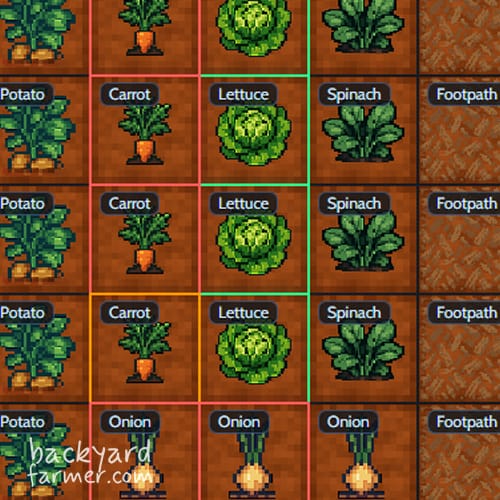
- Baby leaf spinach: closer sowing and shorter repeat runs
- Full-size spinach: more space per plant and better airflow
- Mixed beds: easier to see where spinach fits around other crops
- Succession sowing: simpler to leave room for the next batch
A quick plan at the start makes it much easier to judge how much you can realistically fit in and where the next sowing should go. It saves a lot of guesswork later, especially if you are trying to keep a steady run going instead of ending up with one big glut.
FAQ
Yes. Spinach does very well in pots, troughs, and containers as long as the compost stays evenly moist. It is especially handy for baby leaf harvests because you can keep it close to the kitchen and pick little and often.
For most growers, March and April are the main spring sowing months. Then, if you want a second run, late August and September are often even better.
Usually because of warm weather, long days, dry soil, overcrowding, or transplant stress. Once it starts bolting, leaf quality drops quickly, so prevention is the main thing.
Both can work well, but autumn is often easier in UK conditions because there is less pressure from heat and long days.
You can, but it is less reliable. If you do try it, grow it as baby leaf, keep it well watered, and give it a bit of shade in hot spells.
True spinach is softer, more delicate, and more likely to bolt. Perpetual spinach is actually a leaf beet, closer to chard, and is usually easier over a long season.
Yes, if you grow it in the cooler parts of the season. Most beginner problems come from sowing too late in spring or letting it dry out.
For many gardeners, baby leaf spinach is easier. It crops quickly, suits closer sowing, and is often picked before the plants run into trouble.
Yes. If plants are established before the cold sets in, they can keep giving small pickings, especially in mild areas or with a bit of protection.
Not really as a strong outdoor crop. It can be grown across a long part of the year, but in most UK gardens it performs best in spring and again from late summer into autumn.
Usually because of dry soil, old seed, awkward temperatures, or a rough seedbed that dries out too quickly.
Sowing it too late in spring and expecting it to behave like a long-season leafy crop. Spinach is much happier when you work with the cooler windows instead.