Wondering what to plant after broad beans? Once the harvest finishes, you can use the space for another crop of kale, cabbage, beetroot, chard or French beans. Later in summer, quick-growing salads and oriental greens are useful alternatives.
The best choice depends on when your broad beans finish and how much growing season remains.
What to Plant After Broad Beans: Quick Guide
| When broad beans finish | Suitable follow-on crops | Sow or transplant? |
|---|---|---|
| May–early June | Dwarf French beans, beetroot, chard, kale, winter cabbage, swedes | Direct sow suitable crops once conditions allow; transplant established brassicas |
| Late June–July | Beetroot, chard, turnips, leeks, kale, spring cabbage | Sow suitable roots and leaves; transplant leeks and kale; sow spring cabbage for later planting |
| August | Pak choi, mizuna, rocket, radishes, turnips | Mostly direct sow |
| September | Winter spinach, hardy lettuce, spring cabbage, overwintering onion sets | Sow hardy leaves, transplant cabbage or plant onion sets |
These are general UK planting windows. Earlier sowings are more reliable in northern areas and exposed allotments. Some autumn crops will overwinter rather than produce a substantial harvest before spring.
Quick tip: If your broad beans normally finish in June, start raising your next crop a few weeks beforehand. Young cabbage, kale or leek plants can go straight into the cleared bed without waiting for new seeds to germinate.
Best Vegetables to Grow After Broad Beans
The most suitable follow-on crop depends on how much of the growing season remains. Early harvests leave time for vegetables that need several months to mature, while later clearances are better suited to quick-growing leaves and hardy overwintering crops.
Kale, Cabbage and Other Brassicas
Kale and winter cabbage are traditional choices after broad beans, particularly when the bed becomes available in June or early July.
Both can make good use of the space through autumn and winter. However, it’s usually better to have established seedlings ready for transplanting rather than starting them from seed once the broad beans finish.
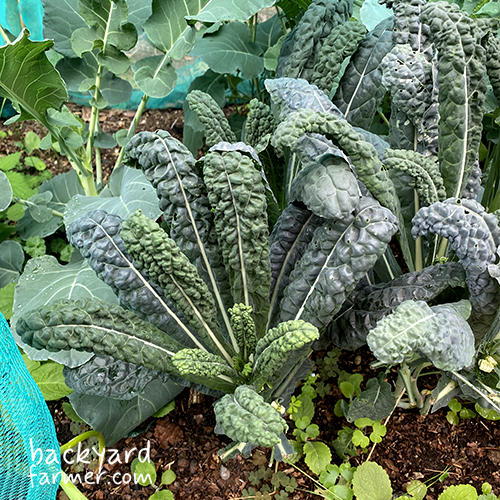
Winter kale is particularly useful because you can harvest its leaves repeatedly during colder months. Winter cabbage provides a longer-term crop, while swedes can follow early broad beans if they’re sown during their normal late-spring to early-summer window.
Protect young brassicas with suitable netting as soon as they’re planted. Cabbage white butterflies and pigeons can cause considerable damage before the plants become established.
Dwarf French Beans
If your broad beans finish in late May or June, dwarf French beans offer another productive summer crop.
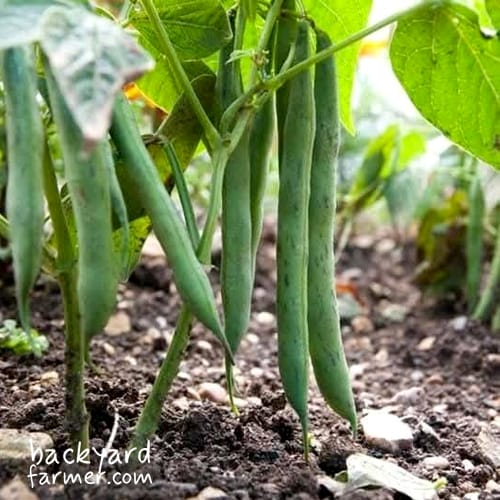
Sow directly once the risk of frost has passed and the soil has warmed sufficiently. Dwarf varieties establish quickly in suitable conditions and don’t require the tall supports used for climbing beans.
June is generally the more reliable time to sow a follow-on crop. Early July can also work, particularly in southern England or sheltered gardens, but later sowings become increasingly risky as the remaining growing season shortens.
Although French beans and broad beans belong to the same plant family, growing them consecutively isn’t automatically a problem. It’s still sensible to vary crop families over successive years, particularly where soil-borne pests or diseases have been an issue.
Beetroot, Chard and Turnips
These crops are useful when you want to sow directly into the cleared bed.
Beetroot is a good choice after early-summer broad beans. Sow during June or early July to allow enough time for the roots to develop before cooler weather arrives.
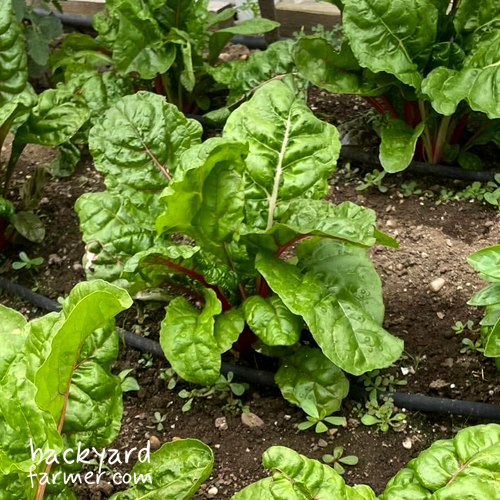
Swiss chard is particularly productive because you can harvest its leaves repeatedly. Plants established from a July sowing may also survive winter and produce fresh growth the following spring.
Turnips are another useful option for July and early-August sowings, with suitable varieties producing roots for autumn harvesting.
The main challenge during summer is keeping the seedbed moist. Dry soil can delay or prevent germination, so water before sowing and maintain consistent moisture until seedlings establish.
Leeks
Leeks can follow broad beans harvested in June or July, provided you’ve raised the plants earlier in the year.
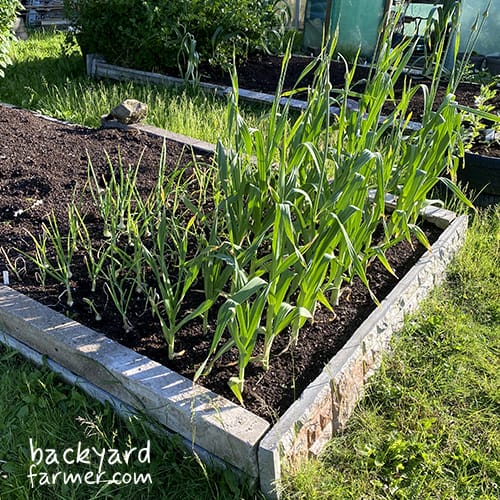
Rather than sowing seeds after clearing the bed, transplant established young leeks from modules or a seedbed.
They can then remain in the ground for harvesting through autumn and winter, depending on the variety and growing conditions.
Leeks are especially useful when you want a crop that occupies the space for several months without requiring regular harvesting.
Pak Choi, Mizuna and Autumn Salads
When broad beans finish in late summer, quick-growing leafy vegetables become particularly valuable.
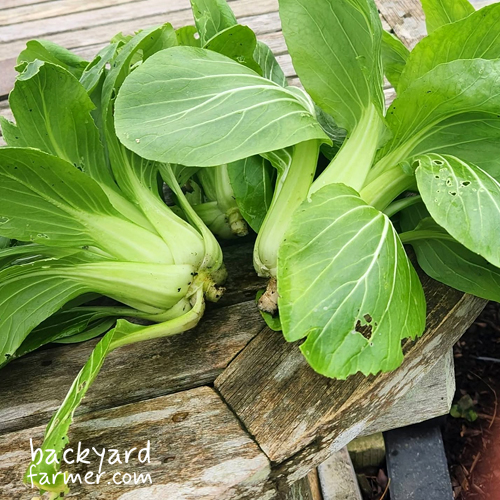
Pak choi and mizuna are well suited to late-summer sowing. Cooler conditions and shortening days generally favour leafy growth, while hot, dry weather can encourage premature flowering.
Rocket, radishes and suitable salad leaves are also useful for filling smaller spaces or producing a quick harvest.
Keep the seedbed moist during establishment and consider fine-mesh protection for oriental greens, which can be vulnerable to flea beetles.
If your broad beans don’t finish until September, concentrate on hardy winter salads, spinach or crops intended to overwinter rather than expecting another substantial summer harvest.
Overwintering onion sets are another option, although they’re less suitable for heavy ground that remains waterlogged through winter.
What to Do With Broad Bean Plants After Harvest
Once your broad beans have stopped producing worthwhile pods, the plants can be cleared to make room for the next crop.
Cut healthy stems at ground level, leaving the roots in place where practical. The remaining roots will gradually decompose, returning organic material and potentially releasing some nutrients into the soil.
Chop healthy stems and leaves into smaller pieces and add them to your compost heap. Badly diseased material should be managed appropriately rather than automatically returned to the bed.
There’s no need to dig out every root, although larger root crowns can be removed if they obstruct planting.
How to Prepare the Bed for Your Next Crop
Once the broad beans are cleared, the soil usually needs only a little preparation before planting again.
- Remove weeds and debris. Clear any weeds that developed beneath the beans so they don’t compete with your next crop.
- Check the soil condition. Gently loosen compacted areas if necessary, avoiding unnecessary digging or disturbance.
- Add compost where beneficial. Mature compost can improve soil structure and contribute nutrients, particularly where organic matter is low or the next crop is demanding.
- Prepare for planting. Rake a fine surface for direct sowing, or make planting holes for established seedlings.
- Water and protect the crop. Water thoroughly after planting and use suitable protection where young plants are vulnerable to pests.
There’s no need to rotavate or completely dig over the bed simply because one crop has finished.
Established brassicas and leeks can often be planted directly into the cleared ground, allowing you to make use of the space almost immediately.
Why Are Brassicas Often Grown After Broad Beans?
Broad beans are legumes that form a partnership with nitrogen-fixing bacteria, known as Rhizobium, in small nodules on their roots. These bacteria convert atmospheric nitrogen into forms the plants can use.
Nitrogen fixation primarily benefits the growing bean plant. Some nitrogen remains in its roots and other plant residues after harvesting, which may gradually become available as they decompose. However, much of the nitrogen has already been used by the beans, and some leaves the bed with the harvest.
Brassicas traditionally follow legumes partly because they belong to a different crop family and fit established rotation systems. They also make good use of ground cleared in early summer.
Broad beans don’t automatically provide enough nitrogen for the next crop. Healthy soil, appropriate feeding and good planting times remain important.
Plan Your Next Crop Before Harvesting
One of the simplest ways to get two harvests from the same space is to prepare the next crop before the first one finishes.
If your broad beans usually finish in June, you could already have kale, cabbage or leek seedlings growing in modules. Once the beans are cleared, those plants can go straight into the bed.
This avoids losing several weeks waiting for seeds to germinate and develop, which can make a considerable difference during the UK growing season.
It also helps to consider how much room the replacement crop will need. A few winter cabbages occupy the space differently from rows of radishes, beetroot or salad leaves.
The free Backyard Farmer Allotment Planner lets you organise your growing space, position replacement crops and record planting dates.
If you’re planning your first crop, our UK broad bean sowing guide can help you decide when to get started.
Frequently Asked Questions
Yes. Dwarf French beans can follow early-harvested broad beans if there’s enough warm weather remaining for them to mature.
Growing legumes consecutively isn’t automatically harmful, but varying crop families over successive years is sensible for long-term crop management.
Not necessarily. Broad beans fix nitrogen during growth, but they don’t guarantee that the following crop will have sufficient nutrients.
Consider your soil condition and the needs of the next vegetable. Mature compost may be beneficial, while demanding brassicas may require additional feeding where soil fertility is low.
Radishes and young salad leaves are among the quickest choices.
Some radish varieties can be harvested in around four to six weeks during suitable growing conditions, while baby salad leaves may be ready sooner. Growth slows as temperatures and daylight decrease.
Yes, although suitable choices become more limited.
Winter spinach, hardy lettuce, established spring cabbage plants and overwintering onion sets are useful options.
In cooler or exposed UK locations, growth may be slow during winter. Some crops will remain in the ground and produce their main harvest the following spring.