
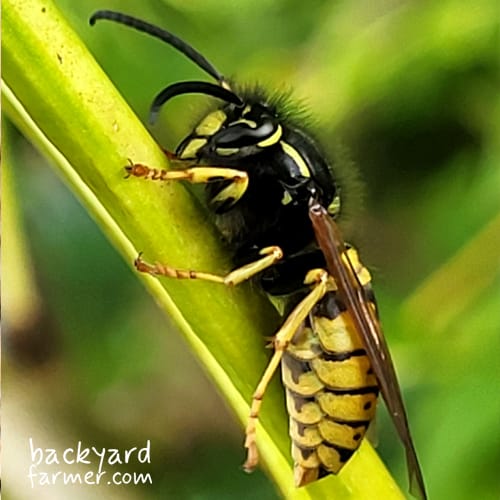
Wasps have a bad reputation, particularly towards the end of summer, but they are far more useful than they first appear. They hunt garden pests such as caterpillars and aphids, contribute to pollination, provide food for other wildlife and form an important part of the wider ecosystem.
That doesn’t mean you need to welcome a nest beside the back door. In this guide, we’ll look at what wasps actually do, why they matter in gardens and nature, and when it makes sense to leave them alone.
What Role Do Wasps Play in Pollination?
Wasps may not be the first insects you think of for pollination, but they play a significant role in helping plants reproduce. While bees are more commonly associated with pollination, certain wasp species are also vital pollinators, especially for plants that are less attractive to bees.
Wasps as Pollinators
Wasps transfer pollen between flowers while searching for food, particularly nectar. Though their smooth bodies aren’t as effective as bees’ fuzzy bodies at holding pollen, they still contribute significantly to plant pollination. This is especially important in environments where bees are less abundant, such as higher altitudes or cooler climates.
- Efficiency: Wasps aren’t as efficient as bees, but their consistent activity ensures many plants still get pollinated.
- Areas of impact: They thrive in tough environments where bee populations may struggle.
To learn more about growing plants that benefit from natural pollinators like wasps, check out our guide on how to grow chillies from seed.
Specialist Pollinators
Some plants, such as figs, rely almost exclusively on specific species of wasps for pollination. In fact, fig wasps play a critical role in the life cycle of these plants, as figs wouldn’t reproduce without them. This mutualistic relationship showcases the vital role wasps can play in maintaining plant species.
- Example: Fig wasps are responsible for pollinating fig trees, a relationship that dates back millions of years.
- Other examples: Certain orchids and other specific plant species also depend on wasps for reproduction.
Wasps and Biodiversity
By helping plants reproduce, wasps indirectly support the biodiversity of ecosystems. Pollinated plants flourish, providing food and shelter for various wildlife. In this way, wasps contribute to maintaining the health and diversity of ecosystems.
- Ecosystem balance: By ensuring plant reproduction, wasps help maintain the plant-animal balance in natural habitats.
- Ripple effect: Healthy plant populations support diverse animal species, further boosting biodiversity.
Learn more about the ecological importance of wasps and their contributions to biodiversity by visiting National Geographic’s comprehensive guide on wasps.
Less Competition with Bees
Wasps often visit flowers that bees avoid, such as those with less color or fragrance. This makes them valuable in environments where certain plants might otherwise go unpollinated. Additionally, wasps remain active during periods when bee populations are lower, ensuring that pollination continues.
- Unique flower preferences: Wasps target less attractive flowers, helping pollinate plants that might otherwise be overlooked.
- Seasonal advantages: Wasps are active pollinators during times when bees are not, such as late summer and fall.
| Aspect | Wasps | Bees |
| Body Structure | Smooth, less effective at holding pollen | Fuzzy, better at collecting and transferring pollen |
| Pollination Efficiency | Moderate, but still important in certain environments | High, primary pollinators for many crops |
| Preferred Plants | Less attractive flowers, lower color or fragrance | Brightly colored, fragrant flowers |
| Environment | Thrive in tough climates (cold, high altitudes) | More common in temperate environments |
| Specialist Pollinators | Critical for plants like figs and certain orchids | Generalist pollinators, covering many plant species |
| Active Season | Active when bees are less abundant (late summer/fall) | Active primarily in spring and summer |
How Wasps Help with Pest Control
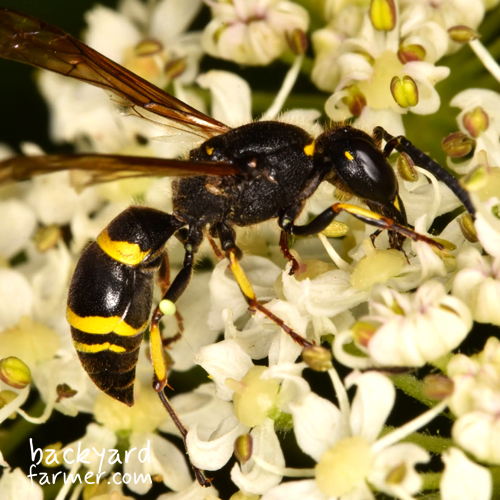
Wasps are not just pollinators; they are also excellent natural pest controllers. Many species of wasps are predatory, feeding on a variety of harmful insects. Their role as predators benefits gardens, farms, and even wild ecosystems by keeping insect populations in balance.
Wasps as Natural Predators
Wasps play a critical role in controlling the populations of common garden pests like caterpillars, aphids, and beetles. They either paralyze or kill their prey to feed their larvae or consume themselves.
- Parasitic wasps: These wasps lay their eggs inside or on a host insect. As the eggs hatch, the larvae feed on the host, eventually killing it.
- Predatory wasps: Other wasps hunt insects such as flies, caterpillars, and spiders, reducing the numbers of harmful pests in gardens and fields.
Pest Control in Agriculture
Farmers benefit from the presence of wasps, as these insects act as natural pest controllers. Wasps reduce the need for chemical pesticides, making them valuable assets in sustainable agriculture.
- Reduced pesticide use: By naturally controlling pests, wasps help minimize the need for harmful chemicals, leading to healthier crops and safer food production.
- Targeted pest control: Wasps tend to target specific pests, making them more efficient in controlling harmful insect populations than broad-spectrum pesticides.
Wasps vs. Chemical Pesticides
Unlike chemical pesticides, which can harm beneficial insects and disrupt ecosystems, wasps offer a natural, eco-friendly solution. By keeping pest populations in check, they allow beneficial insects, such as pollinators, to thrive.
- Eco-friendly alternative: Wasps provide pest control without the risks associated with chemical pesticides.
- Selective targeting: Chemical pesticides often kill a wide range of insects, including pollinators, while wasps target harmful species specifically.
Examples of Pest Control by Wasps
Different species of wasps specialize in controlling various pests:
- Braconid wasps: Control caterpillars, aphids, and beetles.
- Paper wasps: Hunt caterpillars and other small insects that feed on garden plants.
- Yellowjackets: Predators of flies and other nuisance insects.
| Aspect | Wasps | Chemical Pesticides |
| Method of Pest Control | Predation or parasitism of specific pest species | Broad-spectrum killing of many insect types |
| Impact on Beneficial Insects | Selectively targets pests, sparing pollinators | Often harms beneficial insects like bees |
| Environmental Impact | Eco-friendly, no harmful residues | Can harm ecosystems and water sources |
| Pest Resistance | No resistance buildup in pests | Pests can develop resistance over time |
| Sustainability | Supports sustainable agriculture | Overuse can lead to ecosystem disruption |
| Cost | Free, natural process | Requires continuous purchase and application |
Are Wasps Useful for Ecosystem Balance?
Yes. Wasps play an important role in healthy ecosystems because they act as both predators and prey, helping regulate insect populations while also providing food for other wildlife.
Wasps as Predators
Many wasps hunt insects such as flies, caterpillars and aphids, helping prevent pest populations from getting out of control.
- Natural pest control: Wasps remove insects that can damage garden plants and crops.
- Ecosystem balance: Keeping pest numbers in check can reduce pressure on plants and limit reliance on pesticides.
Wasps as Prey
Wasps are also part of the food chain. Birds, spiders and other predators feed on them, making them an important food source within many habitats.
- Supports predators: Wasps provide food for a range of other species.
- Supports biodiversity: Their presence helps sustain the wider network of animals that depend on insects for food.
Wasps and Pollination
Wasps are not as efficient as bees, but they can still transfer pollen while feeding on nectar.
This makes them useful supplementary pollinators, particularly for plants visited less frequently by bees.
The Wider Effect on Biodiversity
Because wasps act as predators, prey and occasional pollinators, their influence extends beyond any single species. These connected roles help support more stable and diverse ecosystems.
| Aspect | Role of Wasps | Without Wasps |
|---|---|---|
| Pest Control | Help regulate insect populations | Greater pressure from some pest species |
| Food Source | Provide food for birds, spiders and other predators | Less food available for insect-eating wildlife |
| Pollination | Supplement pollination of some plants | Reduced contribution from an additional pollinator group |
| Biodiversity | Support food webs through predation, prey and pollination | A less diverse and resilient ecosystem |
Why Scientists Are Studying Wasp Venom
Wasp venom contains biologically active compounds that researchers are investigating for possible medical uses. Studies have explored antimicrobial, anti-inflammatory and anticancer effects, although this research is still largely experimental rather than established medical treatment.
| Research Area | What Scientists Are Investigating |
|---|---|
| Antimicrobial | Venom peptides that can damage or disrupt bacteria and other microorganisms |
| Inflammation & Pain | Compounds that may influence inflammation and pain-related pathways |
| Cancer Research | Certain venom peptides that can damage some cancer cells in laboratory studies |
| Drug Development | Using venom compounds as starting points for developing new medicines |
For now, wasp venom is best viewed as an interesting source of compounds for medical research, rather than a treatment in itself.
How to Live Harmoniously with Wasps
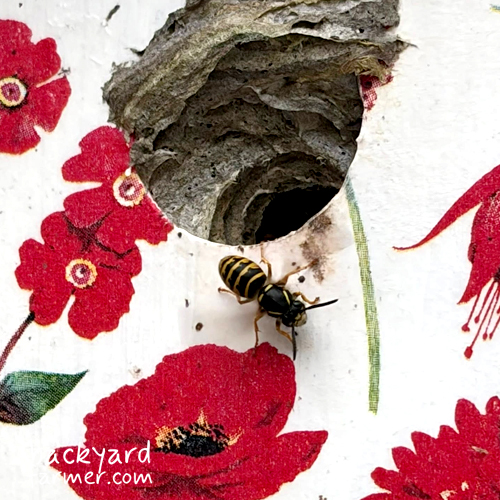
Wasps can be intimidating, especially when they set up nests close to human homes or gardens. However, they are essential contributors to the ecosystem, and it is possible to live alongside them peacefully without resorting to harmful measures. By understanding their behavior and adopting humane strategies, you can create a safe and balanced environment for both humans and wasps.
Understanding Wasp Behaviour
Wasps are generally not aggressive unless provoked. They will defend their nests if they feel threatened, but for the most part, they are busy foraging for food and pollinating plants.
- Avoid sudden movements: Wasps are less likely to sting if they do not feel threatened.
- Nesting season: Wasps are more active in late summer and early fall when their populations peak.
Preventing Wasp Nests
Preventing wasps from building nests near your home is key to avoiding potential conflicts. By making your property less attractive to them, you can reduce the chances of a nest being established.
- Seal entry points: Block gaps or holes in walls, eaves, and attics where wasps may nest.
- Remove food sources: Keep food covered when outdoors and clean up any sugary spills that may attract wasps.
Humane Wasp Deterrents
If wasps are becoming a nuisance, focus on removing what is attracting them rather than trying to kill them.
- Cover food and drinks: Particularly outdoors during late summer.
- Keep bins closed: Clean up sugary spills and fallen fruit where possible.
- Seal potential nest sites: Block gaps around eaves and other entry points before a nest becomes established.
What to Do if You Find a Nest
If you find a wasp nest on your property, it is important to handle the situation carefully. In some cases, you may be able to leave the nest undisturbed, especially if it’s located away from high-traffic areas. If removal is necessary, consider calling a professional rather than using harmful chemicals.
- Leave it alone: If the nest is in an out-of-the-way area, consider letting the wasps stay and do their job in controlling pests and pollinating plants.
- Professional removal: If the nest is close to your home or poses a risk, contact a professional who specialises in humane removal.
| Method | Wasp-Friendly Solution | Harmful Method |
| Preventing Nests | Sealing entry points, removing food sources | Spraying chemicals near nesting areas |
| Deterrents | Essential oils, decoy nests | Using chemical repellents or traps |
| Nest Removal | Professional, humane removal | Destroying nests with harmful chemicals |
| Wasp Behavior | Understand behavior, avoid provocation | Aggressive removal, causing more stings |
So, Are Wasps Useful?
Yes. Wasps are useful garden wildlife. They help control insect pests, contribute to pollination, support food webs and even provide compounds of interest to medical researchers.
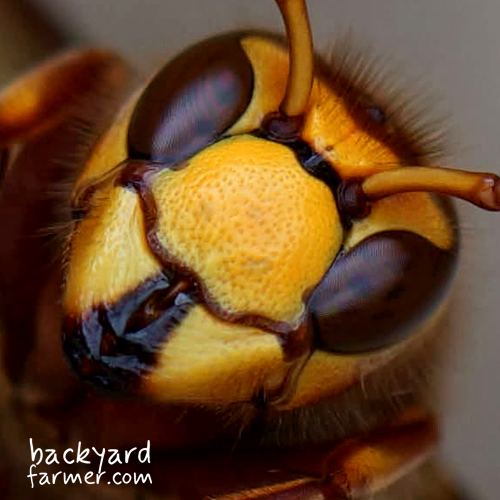
You don’t need to tolerate a nest somewhere dangerous, but a wasp simply passing through the garden is usually doing more good than harm. In most cases, leaving them to get on with their job is the best approach for both the garden and the wider ecosystem.