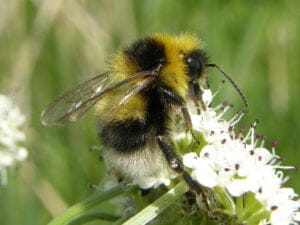

The Short-haired Bumblebee (Bombus subterraneus) is a rare and historically significant bumblebee species in the UK. Once widespread across southern England, it is now best known for its dramatic decline and subsequent reintroduction efforts aimed at restoring this lost pollinator to suitable habitats.
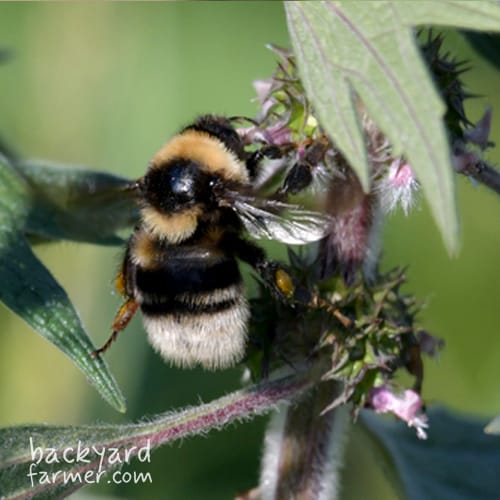
This species favours open, flower-rich landscapes such as grasslands, meadows, and low-intensity farmland. Where it occurs, it plays an important role in pollinating a variety of wildflowers and forage crops, particularly those with deeper blooms.
Due to habitat loss, agricultural intensification, and reduced floral diversity, the Short-haired Bumblebee disappeared from the UK in the late 20th century. Conservation programmes have since worked to reintroduce it. In this guide, you’ll learn how to identify Bombus subterraneus, recognise similar species, and understand why its recovery matters.
How to Identify the Short-haired Bumblebee
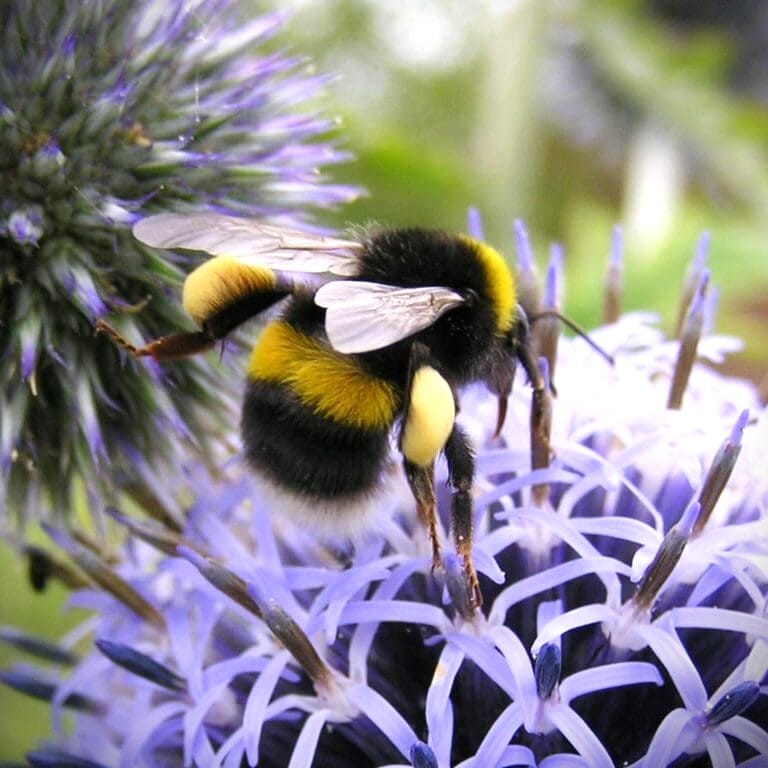
The Short-haired Bumblebee is a medium-to-large bumblebee with a relatively sleek appearance compared to many other species. Its hair is noticeably shorter and less shaggy, giving it a smoother outline in flight.
In the UK, it is most likely to be seen in managed conservation areas and flower-rich farmland created specifically to support its recovery. It forages methodically, often spending longer on individual flowers such as clover.
Queen Short Haired Bumblebee
Large with short, neat hair and clear yellow-and-black banding; tail usually pale or off-white.
(If you have confirmed Bombus subterraneus Queen photos and would like to contribute to this info hub, please email them over to admin at backyard-farmer dot com. TIA)
Female (Worker) Short Haired Bumblebee
Smaller than the queen with similar markings, appearing slimmer than many bumblebees.
(If you have confirmed Bombus subterraneus worker/female photos and would like to contribute to this info hub, please email them over to admin at backyard-farmer dot com. TIA)
Male (Drone) Short Haired Bumblebee
Similar in size to workers, often with longer antennae and subtle facial hair.
(If you have confirmed Bombus subterraneus Males photos and would like to contribute to this info hub, please email them over to admin at backyard-farmer dot com. TIA)
Identification & Key Facts
| Attribute | Details |
|---|---|
| Common Name | Short-haired Bumblebee |
| Latin Name | Bombus subterraneus |
| Size | Queens: ~20–22 mm, Workers: ~13–17 mm |
| Location | Limited areas of southern England (reintroduction sites) |
| Active Months | April to September |
| Habitat | Flower-rich grassland, meadows, farmland margins |
| Nesting Behaviour | Underground nests, often in old rodent burrows |
| Social Behaviour | Social |
| Flora | Red clover, vetches, legumes, wildflowers |
| UK Status | Rare / Reintroduced |
Similar Species
The Short-haired Bumblebee can be confused with other black-and-yellow bumblebees, particularly those found in grassland habitats:
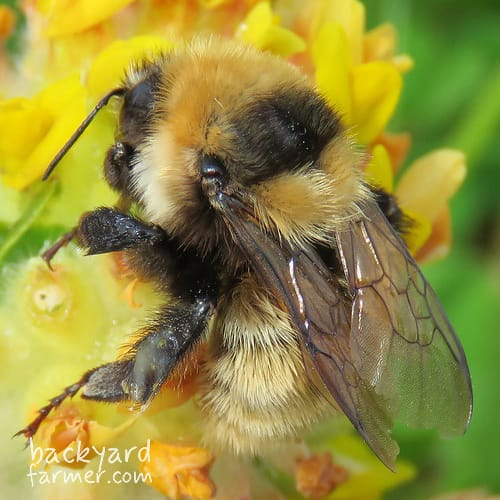
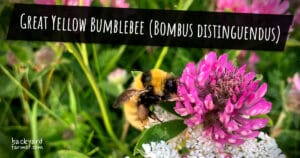
Great Yellow Bumblebee (Bombus distinguendus)
Much fluffier with softer yellow colouring and a bulkier appearance.
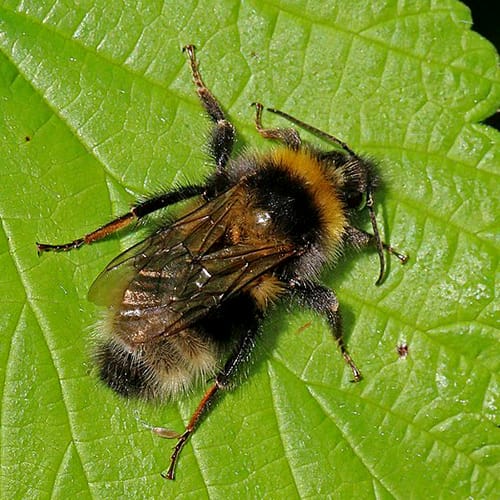
If you’re unsure which bee you’ve spotted, our Bee Identification guide can help you narrow down UK species by size, colour, and behaviour.
Why the Short-haired Bumblebee Matters
The Short-haired Bumblebee is an important pollinator of legumes and wildflowers, making it valuable for both biodiversity and agriculture. Its close association with traditional, flower-rich farming systems highlights the importance of low-intensity land management.
The loss and reintroduction of this species serve as a clear reminder of how habitat changes affect pollinators. Supporting its recovery also benefits many other insects that rely on the same landscapes.
FAQs About the Short Haired Bumblebee
No. This species is generally calm and focused on foraging, and it is unlikely to sting unless handled or disturbed.
It is usually active from spring through late summer, with peak activity during warmer months.
Yes. It is rare and currently present only in limited reintroduction areas.
Yes, females can sting, but stings are uncommon and usually occur only in defence.
How You Can Help
Helping the Short-haired Bumblebee means supporting habitats that allow it to thrive:
Plant Bee-Friendly Flowers
Grow lavender, sage, bramble, dandelions, bluebells, white clover, and comfrey to provide essential nectar.
Avoid Harmful Pesticides
Say no to neonicotinoids and other harmful insecticides. Instead, choose organic pest control methods.
Provide Nesting Spaces
Keep wild areas in your garden, leave undisturbed soil, and allow old mouse burrows to remain. Installing bee hotels can also encourage nesting.
By encouraging flower-rich landscapes and supporting conservation-led land management, you help give the Short-haired Bumblebee the best chance of recovery.