
You can grow a useful supply of salad leaves through winter in the UK, but the trick is getting the right crops established before the darkest part of the year. Some will give genuine winter pickings, while others slow almost to a stop before getting going again towards spring.
A greenhouse or cold frame can help, but light matters just as much as protection. For dependable winter salad leaves, think late-summer sowing rather than winter sowing.
Winter Salad Leaves Quick Picks
| Crop | Best sowing period | Winter protection | Winter behaviour |
|---|---|---|---|
| Winter purslane | Late summer to early autumn | Often hardy; cover helps in colder areas | Very dependable, especially later in winter |
| Corn salad | Late summer to early autumn | Usually hardy; cover extends cropping | Slow but reliable |
| Mizuna | Late summer to early autumn | Cloche or greenhouse helpful | Good cut-and-come-again leaf |
| Komatsuna | Late summer to early autumn | Protection useful | Very cold-tolerant but slows in poor light |
| Mustard leaves | Late summer to autumn | Cover helpful | Fast before winter, useful for light picking |
| Spinach | Late summer to early autumn | Hardy varieties cope well; cover helps | Slows in midwinter then restarts strongly |
| Winter lettuce | August to October | Greenhouse, cold frame or cloche preferred | Useful but often very slow in December and January |
| Land cress | Late summer to autumn | Cloche useful | Hardy and suited to winter picking |
My pick: Winter Purslane
A reliable winter salad leaf with mild, tender leaves and good cold tolerance. D.T. Brown recommends sowing from July to October for winter crops.
Best Winter Salad Leaves to Grow
Not every salad leaf performs equally well once the days become short, cold and wet. These are some of the most useful choices for UK winter growing.
Winter Purslane
Winter purslane, also known as miner’s lettuce, is one of the most dependable winter salad leaves. It has a mild flavour, tolerates cool conditions well and can remain productive outdoors in sheltered spots.
A cold frame or unheated greenhouse makes cropping more reliable in harsher weather, and it is particularly useful later in winter when many other salad crops are barely moving.
Corn Salad / Lamb’s Lettuce
Corn salad is a classic winter leaf with a mild flavour.
It is not particularly fast-growing, but reliability is its strength. Once established, it copes well with cool conditions and can sit patiently through winter until you need it. It works outdoors in many gardens, with light protection helping to extend the harvest.
Mizuna and Mibuna
Mizuna and mibuna are excellent choices for repeated winter picking. Mizuna has finely divided leaves, while mibuna produces longer, narrower foliage, but both work well as young salad leaves.
They perform particularly well under a cloche, cold frame or greenhouse. Mizuna can be vigorous, so growing it separately from slower salad crops can make mixed plantings easier to manage.
Komatsuna
Komatsuna is a useful cold-tolerant oriental leaf. Young leaves can be eaten raw, while larger leaves also work well as a cooked green.
It is particularly tolerant of cool conditions and can cope well under unheated protection, although growth will still slow when winter light levels fall.
Mustard Leaves
Mustard leaves are useful if you want something with a bit more bite. They grow quickly in late summer and autumn, giving plants time to establish before winter.
Established plants can provide light winter harvests, particularly under protection. Pick younger leaves for salads and avoid stripping too much growth at once.
Spinach
Hardy spinach varieties are a strong winter option when sown in late summer or early autumn.
Growth may slow dramatically through the darkest weeks, but plants often restart strongly as daylight returns. Picking individual outer leaves works well and allows the centre to continue developing.
Hardy Winter Lettuce
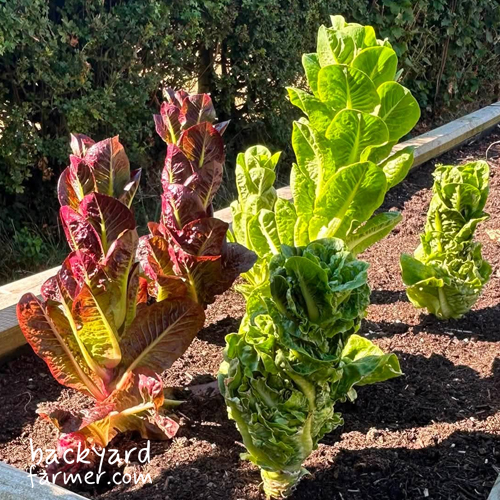
Hardy varieties such as Winter Density, Arctic King and Valdor can be grown through winter, particularly under a greenhouse, cold frame or cloche.
The important thing is to establish plants before winter rather than expecting late sowings to grow quickly through December and January.
For the full method, see our How to Grow Lettuce in Winter in the UK guide.
Land Cress
Land cress is a hardy alternative to watercress with a peppery flavour that works well in salads and sandwiches.
It tolerates cool conditions and can provide winter pickings where conditions allow. A cloche or similar protection can help extend the harvest through wetter or colder spells.
Which Winter Salad Leaves Give the Best Midwinter Harvest?
There is an important difference between a crop surviving winter and producing enough new growth to harvest.
For actual midwinter picking, some of the stronger choices are:
- Winter purslane
- Corn salad
- Mizuna
- Mustard leaves
- Komatsuna
- Well-established winter lettuce
Spinach, later-sown lettuce and some oriental leaves may survive perfectly well but produce very little during December and January. They often become much more useful again as daylight increases.
A realistic winter salad bed gives you small, useful pickings when conditions allow, rather than a constant summer-style supply.
When to Sow Winter Salad Leaves
Timing makes a huge difference.
Late July to August
This works well for crops that need plenty of time to establish, particularly spinach, hardy lettuce and oriental leaves.
Earlier sowings also give you a better chance of harvesting during autumn and the first part of winter.
August to Early September
For most winter salad leaves, this is the most useful sowing window.
Plants still have enough warmth and light to develop strong roots and a decent amount of foliage before winter growth slows.
If you are planning what to sow through the year, this is the point to start thinking seriously about your winter salad bed. Our UK Vegetable Planting Calendar can help with the wider timing.
Late September to October
Later sowings can still work for crops such as corn salad, winter purslane and hardy lettuce under protection.
The result is usually different, though. Plants may establish and then sit through midwinter before becoming more productive towards spring.
The later you sow, the more likely the crop is to overwinter rather than actively crop through midwinter.
When choosing seeds for winter salad leaves, look for varieties recommended for autumn sowing, overwintering or cold-weather cropping.
Plan Your Winter Salad Bed
Winter salad crops can occupy beds from late summer into spring, so it helps to plan the space before sowing. Use the Allotment Planner to map your winter crops alongside the rest of your plot.
Growing Winter Salad Leaves Under Cover
An unheated greenhouse, polytunnel, cold frame or cloche can make winter salad growing much more reliable.
The main benefits are shelter from cold winds, heavy winter rain and harder frost. But protection only helps if the plants still get enough light.
A dark greenhouse can perform worse than a bright, sheltered outdoor position. Use the brightest protected space available and avoid unnecessary shading.
Ventilation matters too. Open greenhouses and cold frames on mild days to reduce condensation and stagnant air.
Use the brightest sheltered space you have, not simply the warmest one.
Can You Grow Winter Salad Leaves Outdoors?
Yes. A greenhouse helps, but it is not essential for every crop.
Winter purslane, corn salad and land cress are particularly useful outdoor choices. Established mizuna, mustard leaves and hardy spinach can also cope well where the site is reasonably sheltered.
Exposed, waterlogged or heavily shaded plots are less reliable. A simple cloche can make a noticeable difference by reducing exposure to wind, persistent rain and harder frost.
For more on keeping crops going through the colder months, see our Winter Growing Guide.
How to Harvest Winter Salad Leaves
Winter salad leaves are best harvested little and often.
Where the crop allows it, pick outer leaves and leave the central growing point intact. Take small amounts from several plants rather than stripping one plant heavily.
Regrowth is much slower in winter, so plants can take weeks to replace foliage removed during January.
If you are growing several crops, vigorous leaves such as mizuna can be grown separately and mixed with the others after harvesting.
Pick lightly and often in winter.
Why Do Winter Salad Leaves Stop Growing?
Short days and weak light can almost stop growth during December and January. Healthy plants may appear to sit still for several weeks, particularly in shaded gardens or greenhouses.
That does not necessarily mean the crop has failed. Growth normally improves again as daylight returns.
A crop surviving winter does not mean it will actively grow all winter.
Common Winter Salad Problems
| Problem | Likely cause | What to do |
|---|---|---|
| Very slow growth | Low winter light | Use the brightest position and expect slower growth |
| Rotting leaves | Excess moisture or poor airflow | Water less and ventilate covers |
| Slugs and snails | Mild sheltered conditions | Check regularly, especially under cover |
| Leggy seedlings | Low light or too much warmth | Give seedlings more light and avoid forcing them |
| Mildew or mould | Damp, stagnant conditions | Improve airflow and avoid wet foliage |
| Uneven mixed crops | Vigorous plants dominating slower crops | Grow vigorous leaves separately and mix after harvest |
Winter Salad Leaves FAQs
Winter purslane, corn salad, mizuna, komatsuna, mustard leaves, spinach, hardy lettuce and land cress are all strong choices for UK winter growing.
Late summer to early autumn is usually best. August and early September sowings have time to establish before light levels fall sharply.
Yes, but growth is usually very slow. Established crops may provide light harvests or simply hold through midwinter before growing more strongly as daylight returns.
No. Several hardy crops can grow outdoors, but an unheated greenhouse, cold frame or cloche makes winter growing more reliable by providing shelter from wind, rain and harder frost.
Winter purslane, corn salad and mizuna are good starting points. They tolerate cool conditions well, are straightforward to harvest and can provide useful winter or late-winter leaves when established early enough.