
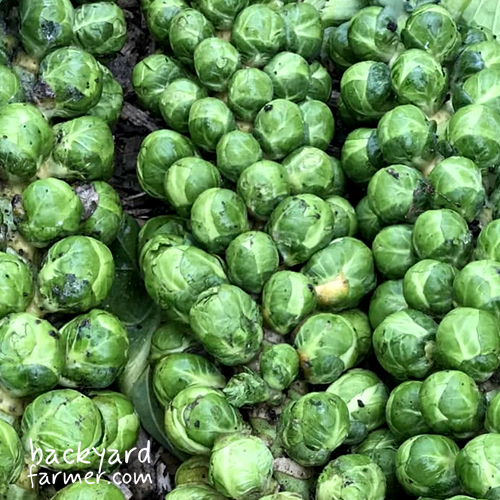
December still offers plenty to harvest from a UK vegetable garden or allotment. Brussels sprouts, leeks, parsnips, swedes, kale and winter cabbage are among the main crops ready to pick, while established winter salads can provide smaller harvests.
Many hardy vegetables can remain outdoors throughout winter, although frost, heavy rain and frozen soil can make harvesting difficult.
The key is knowing what is ready to pick, what can stay growing and what should be collected before severe weather arrives.
For a wider seasonal overview, see our UK Harvest Calendar.
What Can You Harvest in December in the UK?
December harvests mainly come from hardy vegetables established earlier in the year. Some crops can remain outdoors for months, while others need protection from frost or waterlogged soil.
| Crop group | What may be ready in December |
|---|---|
| Winter brassicas | Brussels sprouts, kale, cavolo nero, winter cabbage |
| Hardy root vegetables | Parsnips, swedes, celeriac, Jerusalem artichokes |
| Remaining autumn roots | Carrots, beetroot, turnips, winter radishes |
| Other vegetables | Leeks, suitable winter cauliflower, protected trench celery |
| Winter salads | Spinach, Swiss chard, winter lettuce, corn salad, mizuna, rocket |
| Herbs | Rosemary, thyme, sage, sheltered parsley |
Harvesting times vary according to variety, local weather and growing conditions. A sheltered southern garden may still have crops that have finished on an exposed allotment further north.
Potatoes, pumpkins, winter squash, onions, apples and pears may also be available from autumn storage, but these are not normally fresh December harvests.
What Should You Harvest Now or Leave Growing in December?
Hardy vegetables do not automatically need harvesting before frost. Many can stay outdoors, although freezing temperatures and wet ground may make them difficult to collect.
| Crop or condition | December harvesting advice |
|---|---|
| Mature Brussels sprouts | Pick firm, ready sprouts as needed |
| Parsnips and swedes in healthy soil | Leave growing, but plan for frozen-ground access |
| Prolonged freezing forecast | Lift enough roots beforehand or insulate the soil |
| Mature roots in waterlogged ground | Consider lifting before damage develops |
| Kale and winter leeks | Continue harvesting gradually |
| Winter salad leaves | Pick modest quantities from established plants |
| Brassicas exposed to pigeons | Maintain secure, supported netting |
Parsnips can tolerate considerable cold, but digging them becomes difficult once the soil freezes solid. A layer of straw or other insulating mulch can help reduce soil freezing, although it won’t guarantee access during prolonged hard frost.
On heavy clay allotments, persistent rain may cause more problems than cold weather. Avoid unnecessary digging or walking across saturated beds where crops can safely remain in place.
Vegetables to Harvest in December
Brussels Sprouts
December is one of the main harvesting months for Brussels sprouts, particularly varieties grown for Christmas and midwinter cropping.
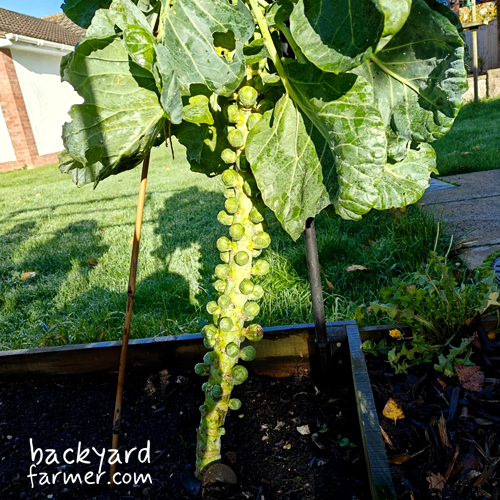
- Ready when: The lower sprouts are firm, tightly closed and have reached a useful size for the variety.
- Watch for: Loose or opening sprouts, pigeon damage, rotting leaves and wind-rock.
- December tip: Pick mature sprouts from the bottom of the stalk upwards, leaving smaller ones to develop.
Sprouts on the same plant mature at different times, allowing harvesting to continue over several weeks. There is no need to leave fully developed sprouts until Christmas if they are beginning to loosen or deteriorate.
Tall plants can become unstable during winter storms, particularly on exposed allotments. Check stakes and supports, and keep bird protection secure.
The leafy tops of Brussels sprout plants are edible and can be cooked as greens. These are best collected towards the end of cropping, as removing the growing tip too early can affect the development of sprouts higher up the stem.
For more advice, see our guide to When to Harvest Brussels Sprouts.
Parsnips and Swedes
Parsnips and swedes are useful December vegetables because healthy roots can remain in suitable ground until needed.
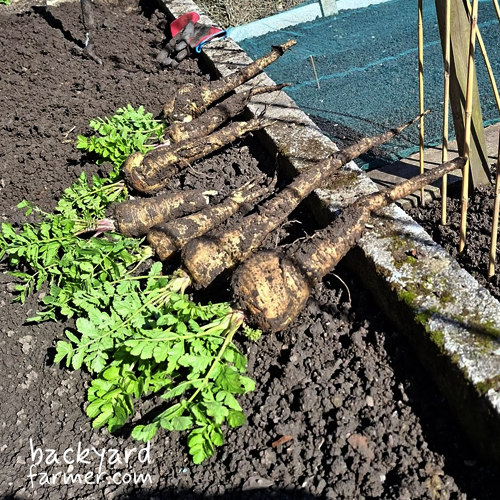
- Ready when: Roots have reached a useful size and remain firm and sound.
- Watch for: Frozen ground, waterlogging, slugs and deteriorating roots.
- December tip: Lift enough roots before prolonged freezing weather if you expect to need them for cooking.
Parsnips: Cold weather can improve their sweetness, making December a good time to harvest established crops.
Lift one or two roots to check their size and quality before relying on the whole crop. Frost may improve flavour, but it won’t correct roots that have already become woody or damaged.
If the foliage has disappeared, row markers make the roots easier to locate.
Swedes: Mature roots are commonly harvested at around 10–15cm across, although the ideal size varies by variety.
Healthy swedes can remain outdoors in well-drained soil, but prolonged waterlogging or severe freezing conditions may make earlier harvesting more practical.
For more detailed advice, see When to Harvest Parsnips in the UK.
Leeks
Hardy winter leeks can provide fresh vegetables throughout December and into the colder months.
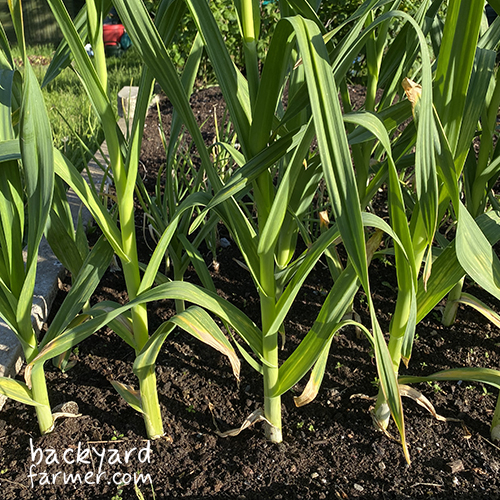
- Ready when: The stems have reached a useful thickness for the variety.
- Watch for: Rust, allium leaf miner damage, deteriorating outer leaves and difficult lifting conditions.
- December tip: Lift mature stems as required, loosening the soil with a garden fork.
Use the fork a short distance from the stems to avoid cutting into the leeks. Harvest larger plants first, allowing smaller healthy leeks to remain in the ground.
Inspect stems for pest damage, particularly distorted growth and tunnelling caused by allium leaf miner. Remove damaged portions and discard any plants that have deteriorated beyond use.
Winter leeks are generally hardy enough to remain outdoors, although collecting a few before prolonged freezing can make harvesting easier.
For growing advice, see How to Grow Leeks in the UK.
Kale, Cavolo Nero and Winter Cabbage
Kale and cavolo nero can continue providing usable leaves during December, while suitable winter cabbage varieties may be ready to harvest as whole heads.
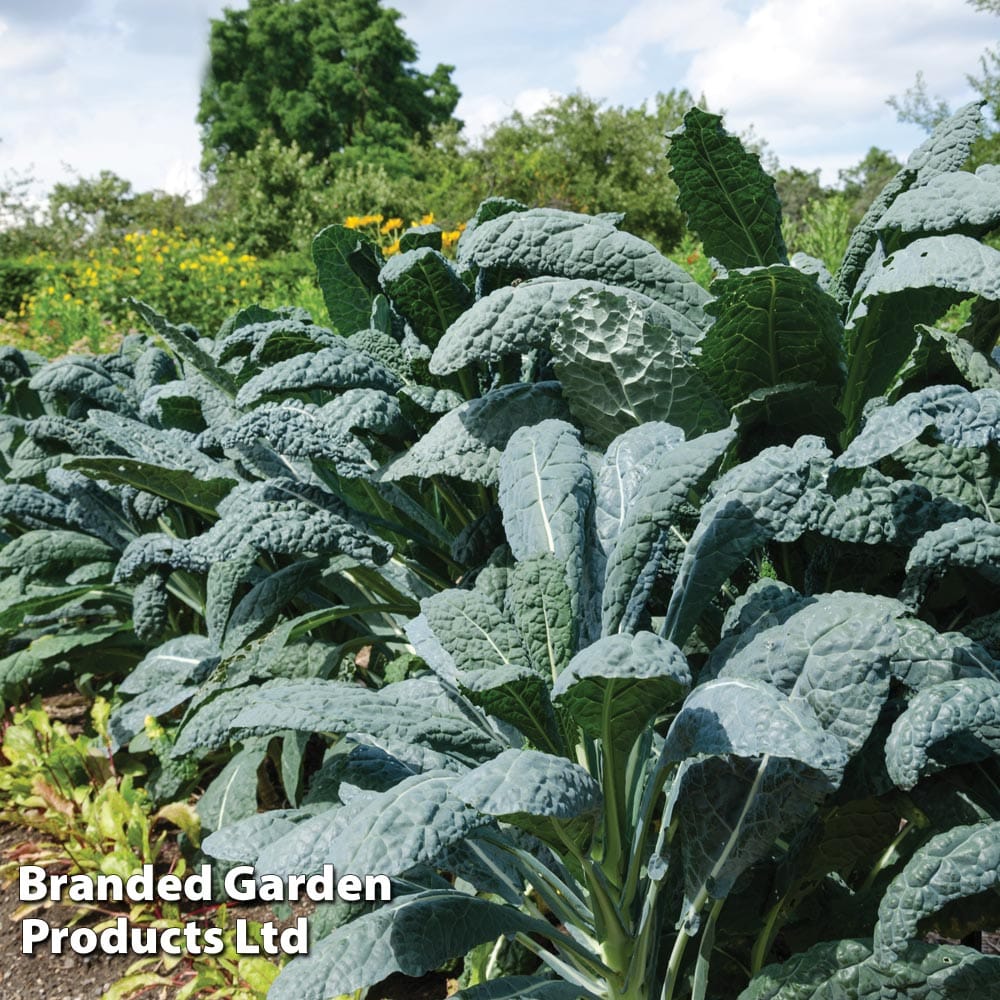
- Ready when: Kale leaves have reached a useful size and cabbage heads are firm and properly developed.
- Watch for: Pigeon damage, slugs, rotting leaves and splitting cabbage heads.
- December tip: Pick larger lower or outer kale leaves, leaving the central growing point intact.
Established kale plants tolerate cold weather well, but replacement growth is extremely slow during the shortest days. Avoid removing more foliage than you need.
Winter cabbage is harvested differently. Once a head is mature and firm, cut it cleanly and remove damaged outer leaves. Not every winter variety will be ready in December, so check the expected harvest period.
Pigeons can be a serious problem during winter. Netting should be supported above the foliage rather than resting directly on the leaves, where birds may still be able to feed through it.
For more detail, see How to Grow Kale.
Celeriac and Jerusalem Artichokes
Both crops can provide fresh roots during December, although their harvesting methods and storage requirements differ.
Celeriac
Celeriac can remain harvestable into winter where soil conditions and protection are suitable.
- Ready when: The swollen root has reached a useful size and remains firm.
- Watch for: Severe frost, waterlogging and damage during lifting.
- December tip: Loosen the surrounding soil carefully before lifting mature roots.
A covering of straw or other suitable mulch can help reduce freezing around standing celeriac, keeping the soil more workable for harvesting. However, mulch does not guarantee protection against prolonged severe frost.
Where soil is persistently wet, lifting mature roots for storage may be preferable to leaving them exposed to rotting conditions.
Jerusalem Artichokes
Jerusalem artichokes are well suited to winter harvesting, with edible tubers remaining underground after the tall stems die back.
- Ready when: The foliage has yellowed or died back and the tubers have developed.
- Watch for: Waterlogged ground, missed tubers and unwanted regrowth.
- December tip: Dig only what you need, leaving the remainder in suitable ground.
Jerusalem artichokes generally keep better underground than after lifting. Leave short stem stumps or markers to identify the plants, and use a fork to loosen the soil before collecting the tubers.
Small tubers left behind can grow into new plants the following year, so clear the area thoroughly if you don’t want the crop spreading.
For further advice, see How to Grow Jerusalem Artichokes in the UK.
Carrots, Beetroot and Turnips
Some carrots, beetroot and turnips may still be available in December, particularly from autumn crops that have remained healthy.
- Ready when: Roots have reached a useful size and remain firm and sound.
- Watch for: Frost damage, splitting, slugs and deterioration in wet soil.
- December tip: Inspect remaining crops and lift vulnerable roots before conditions worsen.
Carrots: Can remain in well-drained soil with suitable protection. However, slug damage, root fly damage and prolonged wet weather may make harvesting more practical.
Beetroot: Less tolerant of severe freezing conditions, especially when roots protrude above the soil. Mature beetroot should be lifted before damaging frost.
Turnips: Harvest while the roots remain tender. Overmature roots may become tougher or lose quality.
Winter radishes, including suitable black radish and daikon varieties, may also remain available where they were established earlier in autumn. Their cold tolerance varies by variety.
For roots intended for storage, remove most of the leafy tops without cutting into the crown. Separate damaged roots and use them promptly.
Winter Cauliflower and Other Late Crops
Some winter cauliflower varieties produce mature heads during December, including types selected for Christmas harvesting.
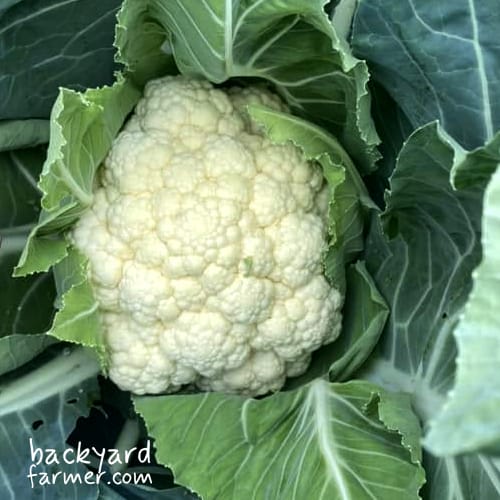
- Ready when: The heads are firm, compact and properly developed.
- Watch for: Frost damage, discolouration and heads beginning to separate.
- December tip: Harvest mature heads promptly and protect developing curds from hard frost where necessary.
Winter varieties such as ‘Triomphant’ can produce heads around Christmas, while many other overwintering cauliflowers mature later in winter or spring.
Traditional trench celery may remain usable during early winter if protected from severe frost. Ordinary self-blanching celery is generally less suitable for outdoor December harvesting.
Purple sprouting broccoli is another crop commonly seen growing during winter, but most traditional spring-cropping varieties are not yet ready. Leave healthy plants developing until their expected harvest period.
Harvesting Vegetables for Christmas Dinner
A homegrown Christmas dinner is possible, but the vegetables available depend on what was planted earlier in the year and how successfully the crops have developed.
Around a week before Christmas, check which Brussels sprouts are firm and ready. Lift a sample parsnip or swede to assess its quality, and inspect any carrots or leeks you intend to use.
A few days before Christmas, check the weather forecast. If prolonged freezing is expected, collect enough suitable roots while the ground remains workable.
Mature Brussels sprouts can be picked as they become ready rather than left unnecessarily on the stalk for Christmas Day.
Many homegrown Christmas meals combine fresh vegetables with produce harvested earlier. Potatoes, onions, carrots and winter squash may all come from autumn storage.
Specialist container-grown Christmas potatoes are also possible, but require suitable planting dates and frost protection. They are not a normal December harvest for maincrop potatoes.
The most reliable approach is to check what’s genuinely ready and plan around the weather, rather than expecting every crop to mature for a particular date.
Winter Salads to Harvest in December
Fresh salad leaves are still possible in December, particularly from crops established earlier in autumn.
| Crop | December harvesting advice |
|---|---|
| Winter lettuce | Pick mature outer leaves or established heads |
| Spinach | Harvest healthy outer leaves selectively |
| Swiss chard | Take usable outer leaves and stems |
| Corn salad | Pick established rosettes or individual leaves |
| Mizuna and other hardy oriental greens | Harvest healthy, mature leaves |
| Rocket | Take small pickings from established plants |
Outdoor winter salads may remain harvestable in mild weather, while cold frames, greenhouses and polytunnels can improve reliability.
With short days and cold temperatures, replacement growth is very limited. Pick modest quantities rather than stripping entire plants.
Slugs can remain active under cover, particularly in damp conditions. Remove damaged or rotting foliage and check crops regularly.
For most unheated UK growing spaces, December harvests come from salads established in autumn rather than seeds sown during December.
Herbs to Harvest in December
Established hardy herbs can provide small harvests during December, although growth is limited.
| Herb | What to harvest | December advice |
|---|---|---|
| Rosemary | Small leafy sprigs | Avoid heavy pruning |
| Thyme | Healthy shoots | Harvest lightly from established plants |
| Sage | Healthy leaves | Avoid cutting back hard |
| Parsley | Healthy outer leaves | More reliable in sheltered or protected positions |
Rosemary, thyme and sage can remain useful throughout winter, provided plants are healthy and not heavily cut back.
Avoid stripping large amounts of foliage during freezing weather, as replacement growth is slow.
Tender herbs such as basil are not reliable outdoor December crops.
Fruit and Stored Produce in December
Very little fruit is reliably harvested fresh outdoors in the UK during December.
Most apples and pears eaten at this time of year were collected during autumn and kept in suitable storage conditions. Good keeping varieties can remain useful well into winter.
Medlars harvested during November may still be undergoing bletting, but they are not a dependable fresh December harvest.
Stored potatoes, onions, pumpkins and winter squash are also valuable winter foods, although they were generally harvested earlier.
Check stored produce regularly for rot, sprouting and other signs of deterioration. Remove damaged items before problems spread.
What is available to eat in December is not always what is ready to harvest in December.
December Harvesting Tips: Frost, Wet Soil and Crop Protection
Harvesting From Frozen or Wet Ground
Frozen soil can make harvesting difficult even when the vegetables themselves remain healthy.
- Use suitable insulating mulch around standing root crops where necessary.
- Avoid forcing forks through frozen soil and damaging roots.
- Use established paths rather than repeatedly walking across saturated beds.
- Avoid digging waterlogged soil unnecessarily.
On heavy clay allotments, prolonged rain can make access particularly difficult. If crops remain healthy, waiting for better conditions may cause less soil damage than attempting to harvest immediately.
For more advice on protecting outdoor crops, see How to Protect Plants From Frost.
Protecting Winter Brassicas
Keep netting supported above kale, cabbages and other vulnerable brassicas so pigeons cannot reach the foliage through the mesh.
Ensure protection is securely fitted, with no loose sections that could trap wildlife.
Check tall Brussels sprout plants after strong winds and secure any that have become unstable.
Keeping the Remaining Harvest Healthy
Check standing crops after prolonged rain, freezing weather or storms.
Remove badly rotting foliage where appropriate and use damaged but otherwise sound vegetables promptly.
Avoid taking excessive harvests from kale and winter salads that you want to remain productive into January and February.
What to Plant After a December Harvest
December offers limited outdoor planting opportunities, but cleared beds can still be managed for the following growing season.
- Garlic: Plant suitable cloves in free-draining soil, or start them in modules where winter waterlogging is likely.
- Empty beds: Add compost or suitable organic mulch to protect exposed soil.
- Wet or frozen ground: Avoid unnecessary digging or cultivation until conditions improve.
December is also a useful time to decide where next year’s crops will grow.
You can use the free Backyard Farmer Allotment Planner to organise growing areas and plan next year’s planting.
FAQ – What to Harvest in December UK
December harvests include Brussels sprouts, leeks, kale, cavolo nero, winter cabbage, parsnips, swedes, celeriac and Jerusalem artichokes. Carrots, beetroot, turnips, winter cauliflower and established leafy greens may also be available, depending on growing conditions.
Many Brussels sprout varieties are ready during December, although harvesting times vary. Pick mature sprouts once they are firm and tightly closed, starting from the bottom of the stem. Don’t leave ready sprouts unnecessarily just to reach Christmas Day.
Yes. Parsnips are hardy and may become sweeter after exposure to cold weather. The main problem can be frozen soil making them difficult to lift. Harvest some ahead of prolonged freezing conditions or insulate the ground with mulch.
Yes. Hardy winter leek varieties can remain outdoors throughout December and often well beyond. Lift mature stems as needed, provided they remain healthy and soil conditions allow. Use a fork to loosen the roots before pulling.
Common December allotment harvests include Brussels sprouts, leeks, parsnips, swedes, kale, winter cabbage and Jerusalem artichokes. Established winter salads may also provide smaller harvests, particularly under protection.
Yes. Established winter lettuce, spinach and other hardy salad crops can provide December pickings, especially in sheltered beds, cold frames or greenhouses. Growth is slow, so harvest outer leaves selectively rather than stripping plants heavily.
There are very few dependable fresh fruit harvests in December. Most apples and pears eaten during the month were harvested earlier and stored. Late medlars may occasionally remain, but they are not a reliable mainstream December harvest.
Hardy leeks, parsnips, Brussels sprouts, kale, cavolo nero, swedes, celeriac and Jerusalem artichokes can often remain outdoors into January. Winter cabbage and purple sprouting broccoli may also continue developing, depending on the variety and growing conditions.