

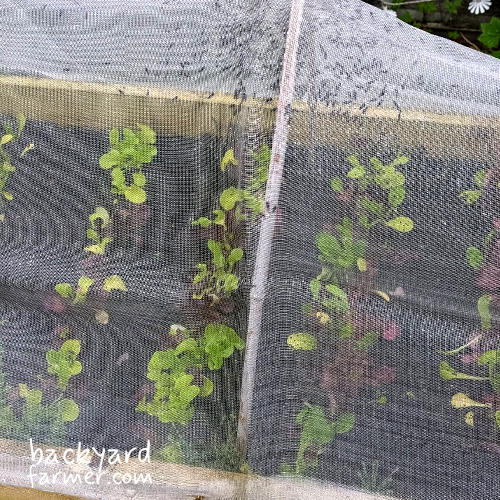
Yes, you can grow lettuce through winter in the UK. Choose hardy varieties and establish plants before the darkest part of the year. An unheated greenhouse, cold frame or cloche protects plants from wind, heavy rain and hard frost. Growth may slow dramatically during December and January, so think of winter lettuce as a hardy crop that survives and produces leaves slowly rather than one that grows continuously like summer lettuce.
Winter Lettuce Quick Guide
| Main sowing period | August to October |
| Best for winter picking | August to September sowings |
| Later sowings | September to October for overwintering and early spring crops |
| Best position | Bright, sheltered position |
| Protection | Greenhouse, cold frame or cloche recommended |
| Winter growth | Slowest during December and January |
| Harvest | Pick outer leaves or small heads as they become usable |
When to Sow Lettuce for Winter
The best time to sow lettuce for winter is from August to October. The ideal month depends on whether you want leaves before winter or plants that overwinter for an early spring crop. For a month-by-month overview of sowing times, see the UK vegetable planting calendar.
August to September
August and early September sowings have the best chance of producing useful leaves before and during winter. The plants have time to develop strong roots and several leaves before daylight levels fall sharply. This timing is particularly useful if you want to grow lettuce in winter and continue picking through autumn and early winter.
September to October
Later sowings are better suited to hardy overwintering varieties. Plants should establish before cold weather arrives, then remain largely dormant or grow very slowly through the darkest months. They often become more productive again in late winter and early spring. These later sowings can provide useful crops before spring-sown lettuce is ready.
Very Late Sowing
Late autumn sowings may germinate and survive under protection, but they should not be expected to crop heavily through winter. Low light, rather than cold alone, becomes the main limitation.
Getting lettuce established before winter matters more than trying to force growth once winter has arrived.
Best Lettuce Varieties for Winter Growing
“Winter lettuce” is not a separate type of lettuce. The term usually refers to hardy varieties that can be sown in autumn and kept growing, or at least surviving, through winter.
Useful varieties include:
- Winter Density – a compact cos-type lettuce with good winter hardiness and useful resistance to bolting. Winter Density lettuce is a dependable choice for autumn sowing.
- Arctic King – a traditional hardy variety suitable for overwintering in sheltered conditions.
- Valdor – a hardy butterhead type that can produce tender leaves after an autumn sowing.
- Marvel of Four Seasons – a cold-tolerant variety with attractive colouring and good flavour.
Choose varieties specifically sold for autumn sowing, winter cropping or overwintering. Variety choice matters more in winter than during the main growing season because tender summer lettuces are more likely to suffer in cold, wet conditions.
For a reliable winter option, consider D.T. Brown Winter Density lettuce.
However, “hardy” does not mean a plant will actively grow through severe cold and low light. Even the strongest variety may sit almost still during December and January.
Growing Winter Lettuce in a Greenhouse
An unheated greenhouse is usually sufficient for growing winter lettuce. Artificial heat is not normally needed, and keeping the greenhouse too warm can produce soft, weak growth. The main benefits are protection from wind, heavy rain and hard frost.
Choose the brightest position available and avoid unnecessary shading. Winter sunlight is already limited, so a greenhouse cannot compensate for a dark site. Plants may survive perfectly well while growing very slowly, particularly during December and January.
Ventilate the greenhouse on mild days, even in winter. Opening doors or vents for a short period helps reduce condensation and stale, damp air, which can encourage rotting leaves and fungal problems. Close the greenhouse again before temperatures fall in the evening.
Water sparingly compared with summer. Compost and soil dry much more slowly in a greenhouse, and cold, wet roots are more damaging than slightly dry conditions. Check the growing medium before watering and avoid wetting the foliage where possible.
A greenhouse protects winter lettuce, but it cannot replace winter sunlight.
Can You Grow Winter Lettuce Outdoors?
Yes, but outdoor overwintering is most reliable in sheltered and relatively mild gardens. Use the sunniest, most protected position available, ideally beside a wall or hedge that reduces exposure to cold winds.
Cold frames and cloches provide useful extra protection and make outdoor growing more dependable. They help reduce damage from wind, heavy winter rain and repeated hard frost. Plants in exposed, wet or colder gardens are more vulnerable, particularly if they were planted out late and have not developed strong roots.
Do not seal plants completely under covers. Airflow still matters, and a little ventilation on mild days helps prevent condensation and rotting leaves. Covered growing is generally more reliable than leaving lettuce fully exposed, but hardy varieties can survive outdoors when conditions are favourable. For more advice on protecting crops through the colder months, see the Winter Growing Guide.
How to Sow and Plant Winter Lettuce
Sow winter lettuce into modules or small pots if you want to establish plants under cover before moving them into a greenhouse, cold frame or protected bed. Direct sowing is also possible where the soil is well prepared and slugs are manageable.
Keep seedlings bright and evenly moist as autumn progresses. Plant out sturdy seedlings with several true leaves, taking care not to bury the crown. Leave enough space around each plant for air to circulate, particularly under winter cover where overcrowding can encourage damp problems.
For general sowing depth, spacing, soil preparation and routine lettuce care, see the main lettuce growing guide.
Caring for Lettuce Through Winter
Watering
Water much less frequently than in summer. Check the soil or compost before watering rather than following a fixed routine. The surface may look dry while the root zone remains damp, so avoid adding water unless the plants need it. Never leave roots permanently wet.
Ventilation
Open greenhouses and cold frames on mild days to reduce condensation and stale, damp conditions. Good airflow is especially important after watering or during periods of mild, wet weather.
Slugs and Snails
Continue checking plants under cover. Mild winter conditions do not necessarily stop slug activity, and young lettuce remains particularly vulnerable. Look beneath pots, trays and leaves, and remove pests where necessary.
Feeding
Heavy feeding is rarely needed through winter. Aim for steady growth rather than forcing soft leaves.
Why Does Winter Lettuce Stop Growing?
Short days and weak winter light can almost stop lettuce growth during December and January. Healthy plants may appear to sit still for several weeks before growth resumes as daylight increases.
This does not necessarily mean the crop has failed. A plant that remains green and firm is usually simply waiting for better conditions. Avoid overwatering or feeding heavily in an attempt to restart it, as this can create soft growth and root problems.
Surviving winter and actively growing through winter are not the same thing.
Common Winter Lettuce Problems
| Problem | Likely cause | What to do |
|---|---|---|
| Very slow growth | Low winter light | Keep plants in the brightest position and expect slower growth |
| Rotting leaves | Excess moisture or poor airflow | Water less and ventilate on mild days |
| Slugs/snails | Mild sheltered conditions | Check plants regularly and remove pests where needed |
| Leggy seedlings | Low light or too much warmth | Give seedlings more light and avoid excessive heat |
| Frost damage | Plants too exposed or unsuitable variety | Use hardy varieties and provide cloche or cold-frame protection |
| Mildew or mould | Damp, stagnant conditions | Improve airflow and avoid wet foliage where possible |
When and How to Harvest Winter Lettuce
Harvest leaves or small heads once they reach a useful size. With loose-leaf and cos types, pick a few outer leaves at a time and leave the growing centre intact. Winter growth is slow, so avoid stripping too much foliage in one harvest.
Plants established in August or September may provide autumn and early-winter harvests. Later autumn sowings may give their best crop in late winter or early spring, when daylight begins to increase. Expect useful but intermittent harvests rather than a constant supply of summer-style salad leaves.
Winter Lettuce FAQs
Yes. Hardy varieties can be grown through winter, particularly in a greenhouse, cold frame or under cloches. Growth is much slower during the darkest months, but established plants can survive and provide leaves gradually.
It can, but growth is usually very slow because of short days and weak light. Established plants often hold through midwinter and begin growing more strongly as daylight increases.
No. An unheated greenhouse is usually enough to provide shelter from frost, wind and heavy rain. Winter lettuce needs protection and light more than high temperatures.
Hardy varieties such as Winter Density, Arctic King, Valdor and Marvel of Four Seasons are useful choices for autumn sowing and overwintering. Always check the seed packet for winter suitability.
Hardy varieties can tolerate cold conditions, especially when established and protected, but repeated hard frost can still damage plants. A cold frame, greenhouse or cloche provides more reliable protection.

Plan Your Winter Lettuce Bed
Winter lettuce can stay in place for months, so it helps to plan the space before sowing. Use the Allotment Planner to map your lettuce alongside other autumn and winter crops.