
Frost does not mean you need to wrap the whole garden. Tender vegetables, young seedlings and fresh new growth are the main priorities, while established winter crops such as kale, leeks and Brussels sprouts usually cope perfectly well without protection.
The important part is knowing what actually needs covering and when to act. A forecast above 0°C does not always rule out ground frost, particularly on clear, calm nights.
Frost Protection Quick Guide
| Situation | Best action |
|---|---|
| Tender vegetables | Cover with fleece, use a cloche or move under protection |
| Young potato shoots | Earth up or cover with fleece |
| Young transplants and seedlings | Protect when frost is forecast |
| Potted tender plants | Move somewhere sheltered and protect the foliage and pot |
| Hardy winter vegetables | Usually leave uncovered |
| Plants in an unheated greenhouse | Add fleece if a sharper frost is forecast |
| Unexpected frost tonight | Use fleece or a temporary fabric cover |
Which Vegetables Actually Need Frost Protection?
Not every vegetable reacts to frost in the same way.
| Crop type | Examples | What to do |
|---|---|---|
| Tender crops | Tomatoes, peppers, chillies, courgettes, squash, pumpkins, French beans, runner beans, sweetcorn | Protect from frost or delay planting out |
| Hardy crops with vulnerable young growth | Potatoes, young cauliflower, fresh transplants, some salads | Protect new growth during forecast frosts |
| Established hardy winter crops | Kale, leeks, parsnips, Brussels sprouts, winter cabbage, purple sprouting broccoli | Usually leave uncovered |
Tender crops should ideally avoid frost altogether. Fleece can save them from an unexpected cold night, but it should not be used as a substitute for sensible planting-out timing.
If you are still deciding when tender crops can safely leave the greenhouse or windowsill, see our When Is It Safe to Plant Vegetables Outside in the UK? guide.
Protect what actually needs protecting rather than wrapping the whole plot every time the temperature drops.
When Should You Cover Plants for Frost?
Do not wait for the forecast to show 0°C before paying attention.
On clear, calm nights, the ground and plant surfaces can become colder than the measured air temperature. That means a forecast minimum in the low single figures can still produce ground frost in some gardens.
If tender plants are already outside, keep a closer eye on nights that are:
- Clear
- Calm or only lightly windy
- Forecast to fall into the low single figures
Your own plot matters too. Cold air can collect in low areas and sheltered corners, creating frost pockets.
If one part of your allotment regularly turns white before everywhere else, trust what you see. Your own frost pocket can matter more than a regional average.
If the first frost of autumn is approaching, see our First Frost Coming? What to Do on the Vegetable Plot guide for the wider jobs worth doing around the garden or allotment.
Check Tonight’s Frost Risk
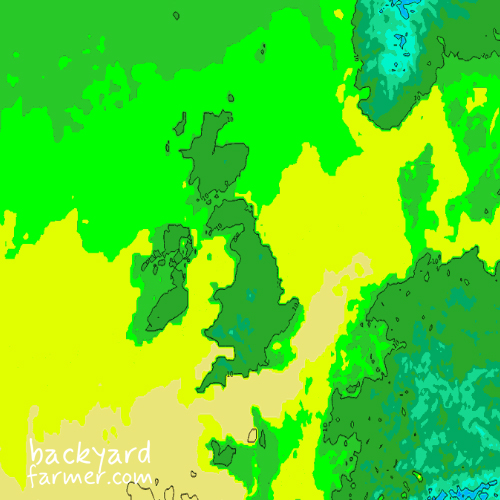
A headline temperature does not tell the whole story. Use the BYF UK Frost Map to check local frost conditions before deciding whether vulnerable crops need covering.
For typical first and last frost timings around the country, see our UK Frost Dates for Gardeners guide.
How to Protect Plants From Frost With Fleece
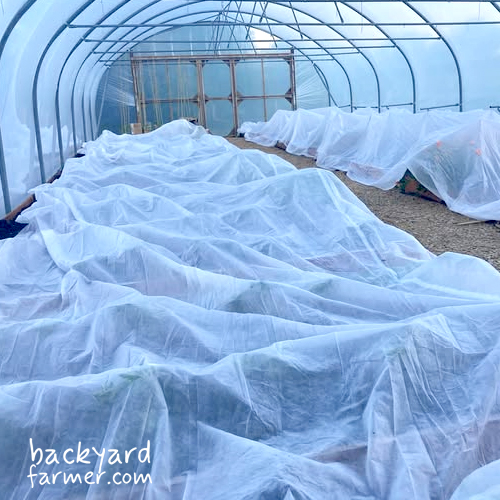
Horticultural fleece is the most useful all-round protection for vegetables because it provides insulation while still allowing air and moisture to move through.
Lay it over low crops or support it on hoops over taller plants, then secure the edges with pegs, stones or boards so the wind cannot lift it.
A second layer can provide extra protection on colder nights, although fleece still has its limits.
Fleece reduces frost exposure; it does not turn a freezing bed into a heated greenhouse.
For very tender plants, especially tomatoes, courgettes and beans, prolonged or hard freezing can still cause damage beneath fleece.
Fleece can rest directly on many low-growing crops, but simple hoops are useful for taller or delicate plants and stop wet material weighing heavily on the foliage.
Fleece is useful insurance against an unexpected cold night, but it is not a substitute for sensible planting-out timing.
Using Cloches, Cold Frames and Greenhouses
Cloches work particularly well for individual plants, short rows, salads and young seedlings. They provide shelter from wind and rain as well as helping to buffer colder nights.
Cold frames are useful for hardening plants off and protecting young crops through short cold spells.
An unheated greenhouse gives more shelter, but there is an important catch:
Greenhouse does not mean frost-free.
Temperatures inside an unheated greenhouse can still fall low enough to damage tomatoes, chillies and other tender plants.
If a cold night is forecast, adding horticultural fleece inside the greenhouse gives vulnerable plants another layer of protection.
Remember to ventilate greenhouses, cloches and cold frames again when milder weather returns.
How to Protect Potted Plants From Frost
Plants in containers can be more vulnerable because their roots are surrounded by a relatively small volume of compost rather than insulated by the ground.
When frost threatens:
- Move portable pots against a sheltered wall or under cover
- Group containers together
- Protect tender foliage with fleece
- Wrap or insulate vulnerable pots where needed
- Avoid leaving containers waterlogged before freezing weather
A greenhouse or cold frame can help, but very tender container plants may still need fleece during colder nights.
How to Protect Plant Roots From Frost
Mulch, straw and similar insulating materials can help protect the soil around roots and reduce how quickly it freezes.
This is particularly useful for crops left in the ground through winter.
Carrots and beetroot can be covered with a layer of straw or other insulating material where frozen ground would make harvesting difficult.
Hardy parsnips usually cope well with frost, so protection is often more about keeping the soil workable enough to lift them when needed.
Sometimes winter protection is about keeping a crop harvestable, not keeping it alive.
Protecting Potatoes From Late Frost
Emerging potato foliage is easily damaged by late spring frost.
If the shoots are still short enough, earth them up before the frost arrives. The soil gives the young growth useful protection.
Once plants are too tall to cover comfortably with soil, horticultural fleece becomes the easier option.
The practical order is:
Earth up first → fleece once plants are too tall.
If potato leaves do get frosted, they may turn black or collapse. That looks dramatic, but it does not automatically mean the crop is finished.
Potatoes often produce healthy new growth from below, although a severe or repeated frost can set development back.
Can You Use Plastic, Sheets or Other Emergency Covers?
If frost is unexpectedly forecast for tonight, temporary protection is better than doing nothing.
Useful emergency covers include:
- Horticultural fleece
- Old sheets
- Old curtains
- Hessian
- Improvised cloches
Put the cover in place before temperatures fall and remove it again when conditions improve.
Solid plastic needs more care. Rather than wrapping plastic tightly around foliage, use it as a supported cloche or cover with an air gap around the plants.
Plastic can quickly trap condensation and excessive heat when the sun returns, so it needs ventilation.
When Should Frost Covers Come Off?
Temporary protection does not need to stay in place permanently.
Once the frost has passed and temperatures recover, remove fabric covers or ventilate cloches, cold frames and greenhouses.
This restores light and airflow and reduces condensation. Flowering crops may also need uncovering so pollinating insects can reach them.
Cover for the cold spell, then uncover or ventilate when conditions improve.
What to Do After Frost Damage
Frost damage can show up as:
- Blackened leaves
- Water-soaked foliage
- Brown or scorched growth
- Soft, collapsed tissue
Do not immediately assume the entire plant is dead.
If another frost is forecast, protect the plant again first. Then give it time to show which growth has genuinely died before removing damaged material.
Once the immediate frost risk has passed, clearly dead foliage can be removed where appropriate.
Frosted Potatoes
Blackened potato tops often recover. New shoots can emerge from below the damaged foliage, although growth may be delayed.
Courgettes, Squash, Tomatoes and Beans
Tender annuals are less forgiving. If the whole plant has collapsed and the growing point has been killed, replacement may be the quickest option.
That is why holding a few spare tender plants back can be useful when planting around the end of the frost season.
Frost Protection FAQs
There is no single temperature that works for every garden. Ground frost can occur while forecast air temperatures are still a few degrees above freezing, particularly on clear, calm nights. Tender crops deserve closer attention whenever temperatures are heading into the low single figures.
Horticultural fleece is the most useful general-purpose option for vegetable beds. It provides some insulation while still allowing moisture and air to move through the material.
It provides useful shelter but is not guaranteed to remain frost-free. Tender crops may still need fleece inside an unheated greenhouse when colder nights are forecast.
Usually not. Established kale, Brussels sprouts, leeks, parsnips, winter cabbage and other properly hardy winter crops generally cope with ordinary UK frosts without being covered.
For more crops that naturally cope with colder conditions, see our Winter Growing Guide.
Often, yes. Frost can blacken and kill the exposed foliage, but potato plants commonly produce fresh growth from below. Severe or repeated frost can still delay the crop, so protect new shoots if another cold night is forecast.