Bees & Pollinators

This archive brings together practical, experience-led articles from The Backyard Farmer, covering gardening, DIY, indoor growing, foraging, reviews, and sustainable living. Each post is written with real-world use in mind — focusing on working with nature, building practical skills, and making sustainable choices more accessible.

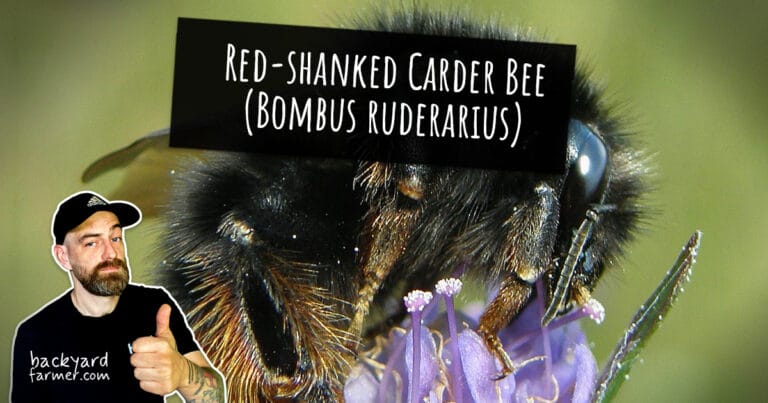
Red-shanked Carder Bee (Bombus ruderarius)

How to Identify the Red-shanked Carder Bumblebee

Look for a mostly black or very dark brown bumblebee with an orange-red tail. Compared with the common Red-tailed Bumblebee, it generally appears smaller, rounder and fluffier, with a noticeably longer face. On females, check the hind legs. Red-shanked Carder queens and workers have orange-red

Read Guide »
Winter bee feeding

Winter Bee Feeding Recipe for Healthy Hives

Introduction: Winter Bee Feeding Recipe for Healthy Hives Winter bee feeding is essential for hive survival, especially as natural forage disappears and temperatures drop. Honey bee colonies rely on stored honey, but reserves often run low. That’s why beekeepers must step in with proper feeding

Read Guide »
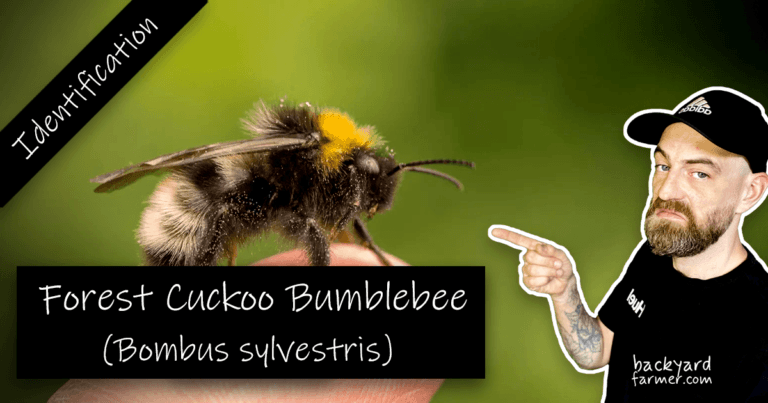
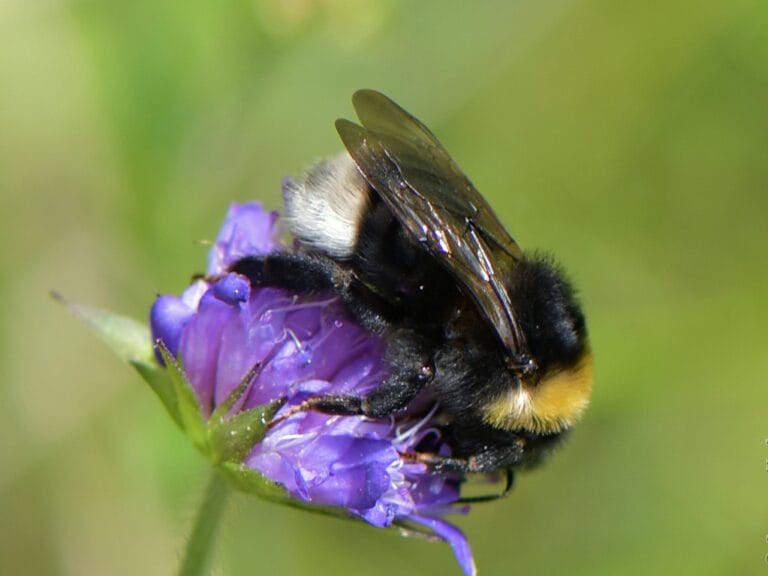
forest cuckoo bee

Forest Cuckoo Bumblebee Identification: A Complete Guide

Introduction The Forest Cuckoo Bumblebee (Bombus sylvestris) is one of the UK’s lesser-known bumblebee species. Unlike social bumblebees, it doesn’t build its own nest or have worker bees. Instead, it takes over the nests of other bumblebees, relying on their workers to raise its young—a

Read Guide »
Gypsy Cuckoo Bumblebee - Bombus bohemicus

Gypsy Cuckoo Bumblebee (Bombus bohemicus): A Complete Guide

The Gypsy Cuckoo Bumblebee (Bombus bohemicus) is an intriguing and rare species of parasitic bumblebee. Renowned for its unique reproductive behavior and reliance on host species, this bumblebee plays a vital role in our ecosystem. However, its declining numbers highlight the need for conservation efforts.

Read Guide »
Scroll to Top