Bees & Pollinators

This archive brings together practical, experience-led articles from The Backyard Farmer, covering gardening, DIY, indoor growing, foraging, reviews, and sustainable living. Each post is written with real-world use in mind — focusing on working with nature, building practical skills, and making sustainable choices more accessible.

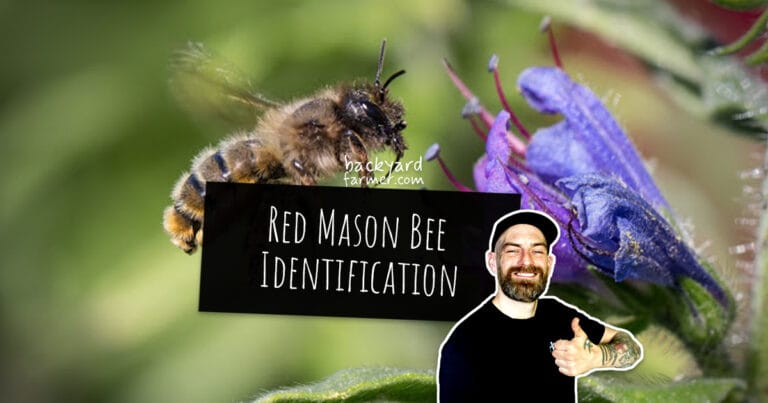
Red Mason Bee (Osmia bicornis) visiting apple blossom in early spring

Red Mason Bee Identification Guide UK

Introduction If you have spotted a small gingery bee around blossom, old brickwork, hollow stems or a bee hotel in spring, there is a good chance you have found a Red Mason Bee. The Red Mason Bee (Osmia bicornis) is one of the most familiar
Read Guide »
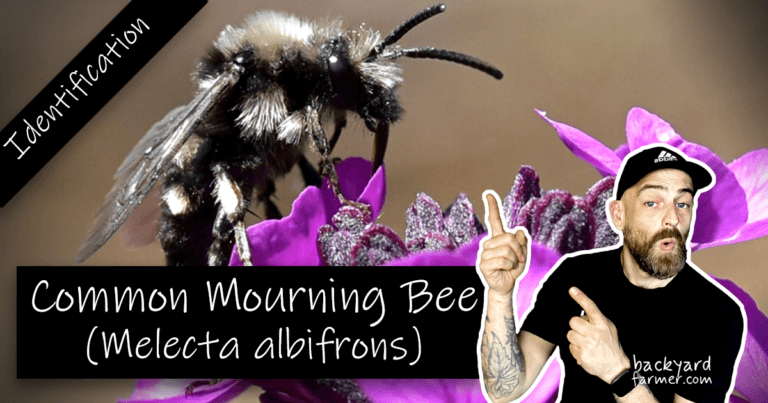
Common mourning bee

How to Identify the Common Mourning Bee

Introduction The Common Mourning Bee (Melecta albifrons) is a solitary bee species commonly found in the UK and Europe. Unlike most bees, it doesn’t collect pollen or build its own nest. Instead, it is a cleptoparasite, meaning it lays its eggs in the nests of

Read Guide »
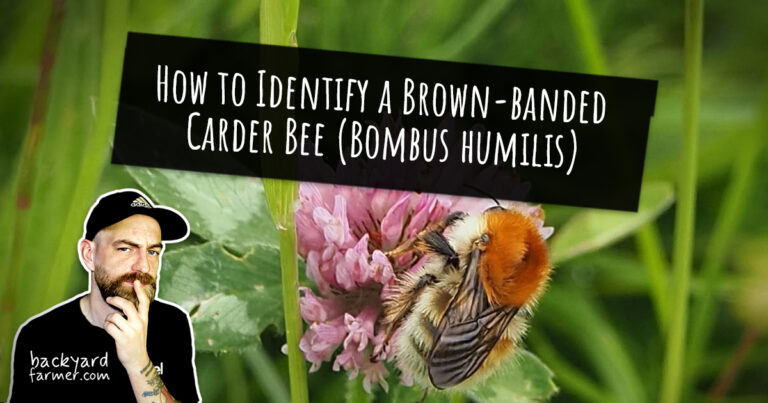
How to Identify a Brown-banded Carder Bee (Bombus humilis)

How to Identify a Brown-banded Carder Bee (Bombus humilis)

Brown-banded Carder Bees are best identified from several features together, not from the brown abdominal band alone. Fresh, well-marked bees are easier to assess, while wear, lighting and poor photo angles can obscure the key differences. Queen, Worker and Male Identification Queens, workers and males

Read Guide »
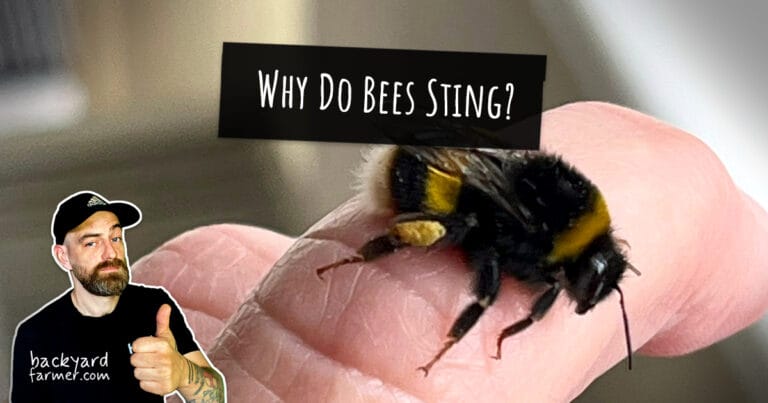
Why Do Bees Sting?

Why Do Bees Sting?

Introduction Most bees are not out looking to sting you. In the garden, a sting is usually the result of a bee feeling trapped, stood on, or pushed too close to a nest. That is worth saying straight away, because people often talk about bees

Read Guide »
Scroll to Top