
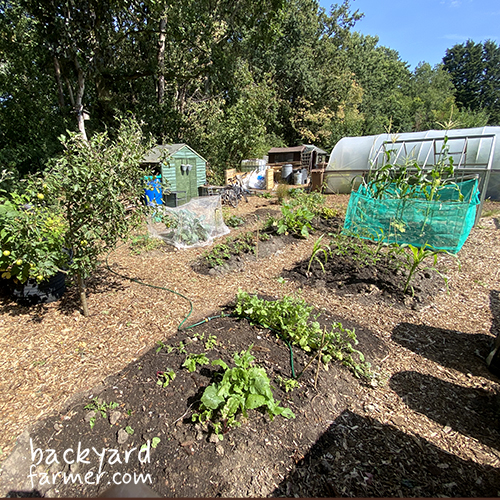
To get an allotment in the UK, start by finding local allotment sites and identifying who manages them. You can then apply through the relevant council, allotment association or private provider.
Many sites operate waiting lists, and application rules vary between locations. This guide explains how to find an allotment, apply for a plot and decide whether an offer is right for you.
How to Get an Allotment in 6 Steps
- Find local allotments within a practical travelling distance.
- Identify the provider responsible for each site.
- Apply for an allotment and check the eligibility requirements.
- Join the waiting list if required and keep your contact details updated.
- View an available plot and assess its condition.
- Accept the offer and complete your tenancy agreement.
The application process is usually straightforward, although finding an available plot can take time.
Find Allotments Near You
The first step is to find out which allotment sites operate in your area.
Our Allotments Near Me finder can help you explore local allotment options and identify where to enquire about plots.
It’s worth investigating several suitable locations, particularly if your nearest allotment has a long waiting list.
However, finding a site doesn’t necessarily mean plots are available. You’ll need to contact the relevant provider to confirm vacancies and waiting-list arrangements.
Choose locations you can realistically visit throughout the growing season. A nearby plot that’s easy to reach may be more practical than a larger allotment requiring a lengthy journey.
Who Manages the Allotment Site?
Before applying, establish which organisation manages applications and allocates plots.
The main providers are:
- Local councils: Borough, district and city councils may manage allotments and waiting lists directly.
- Parish and town councils: Some operate their own allotment sites independently of the main local authority.
- Allotment associations: Associations may manage tenancies and waiting lists, even where the land is council-owned.
- Private landowners: Privately operated sites may have different rents, facilities and application procedures.
Don’t assume that joining your main council’s waiting list covers every allotment in the area.
If you’re interested in a particular site, contact the organisation responsible for allocating its plots.
How to Apply for an Allotment
Once you’ve identified a suitable site, check the provider’s application process and eligibility requirements.
In England and Wales, the GOV.UK allotment application service can direct you to your local council.
In Scotland, you can find your local council through mygov.scot. In Northern Ireland, nidirect provides local council contact details.
Independently managed sites may require you to apply directly to an association or landowner instead.
Applications are often completed online, although some providers accept enquiries by email, telephone or paper form.
You’ll usually need to provide:
- Your name, address and contact details.
- Your preferred allotment site.
- Your preferred plot size, where options are available.
- Confirmation that you meet any local eligibility requirements.
Some councils only accept applications from residents within their area. Others restrict applicants to one or two chosen sites.
Check these conditions before submitting your application, particularly if you’re considering several locations.
Once registered, keep your confirmation email or application reference. It may be useful if you need to contact the provider about your application.
How Do Allotment Waiting Lists Work?
Popular allotment sites often have more applicants than available plots.
When you apply, your name is normally added to a waiting list if no plots are available. As existing tenants leave and plots become vacant, the provider contacts applicants according to its allocation policy.
Waiting times vary considerably. Some sites occasionally have vacancies, while others have waiting lists lasting several years.
There is no reliable national waiting time for an individual application.
Some providers publish waiting-list numbers or estimated positions, but these cannot guarantee when a plot will become available.
Keep your contact details updated, particularly if you change your telephone number or email address. Missing an offer could mean losing an opportunity or your place on the list.
Some providers also require applicants to confirm their continued interest periodically.
Can You Improve Your Chances of Getting an Allotment?
There are a few practical ways to explore more options while waiting:
- Consider smaller plots: Half plots and starter plots may have different availability from full-sized allotments.
- Check alternative sites: Waiting times can vary between nearby locations.
- Contact independent providers: Parish councils, associations and private sites may operate separate waiting lists.
- Remain flexible: A different plot size or location may provide more options, provided it’s practical for you to maintain.
Only apply to multiple waiting lists where the provider’s rules permit it.
None of these approaches guarantees a shorter wait, but checking different options may help you find a suitable plot.
While waiting, you could also gain growing experience using containers at home or joining a community gardening project.
What Happens When You’re Offered an Allotment?
When a plot becomes available, the council or site manager will usually contact you using the details provided in your application.
The offer may include the plot number, approximate size, rental charges and instructions for arranging a viewing.
Check the response deadline carefully.
Some providers allow only a short period to accept or decline an offer. Missing the deadline could mean the plot is offered to someone else.
It’s also important to understand what happens if you refuse.
Depending on the provider’s policy, you may remain on the waiting list, be offered another plot later or lose your position.
If possible, arrange to view the allotment before accepting.
After a long wait, it can be tempting to take whatever becomes available. However, an unsuitable plot may become difficult to maintain, particularly if it requires extensive clearance.
Understanding the condition and responsibilities beforehand can help you make a better decision.
What to Check Before Accepting an Allotment
Viewing an allotment gives you an opportunity to assess the growing space and identify any work required before you can use it.
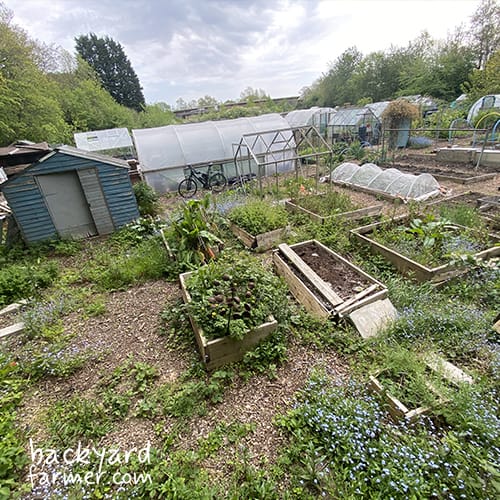
An established plot may already have usable beds, paths and structures. Others may have been neglected for several seasons.
An overgrown allotment isn’t necessarily a poor choice, but it’s important to understand how much work you’re taking on.
Allotment Viewing Checklist
| What to Check | Why It Matters |
|---|---|
| Location and access | Can you visit regularly and transport tools or materials? |
| Plot size | Is the growing area manageable with your available time? |
| Sunlight and shade | Trees, hedges and buildings may restrict growing conditions. |
| Water supply | Is there a convenient tap or shared water source? |
| Soil and drainage | Are there signs of waterlogging, compaction or other problems? |
| Weeds and overgrowth | How much initial clearance will be needed? |
| Rubbish and structures | Are there materials to remove, damaged sheds or fencing to repair? |
| Plot boundaries | Is it clear which land and structures are included? |
| Tenancy requirements | How quickly must the plot be brought into cultivation? |
Pay particular attention to the condition of neglected plots.
Tall grass and annual weeds may look intimidating, but they can be relatively straightforward to manage. Extensive brambles, couch grass, bindweed and buried rubbish can require considerably more work.
Check for dumped materials, too. Broken glass, unidentified chemicals and suspected asbestos-containing materials can make clearance more complicated. Raise any concerns with the site manager rather than attempting to handle potentially hazardous waste yourself.
Drainage is another important consideration. A plot that appears dry during summer may become waterlogged during winter.
Look for obvious problems and ask the site manager or neighbouring plot holders whether the ground regularly floods or remains wet.
Check the boundaries, particularly where adjacent plots have become overgrown. Make sure you understand which areas, structures and materials are included in the tenancy.
Questions to Ask Before Accepting
Before making your decision, it’s worth asking:
- Is any initial clearance or rubbish removal assistance available?
- How long do I have to bring the plot into cultivation?
- Are there known problems with drainage, access or site security?
- What are the total annual charges, including water and additional fees?
- Are there restrictions on sheds, greenhouses or other structures?
If the plot needs substantial clearance, ask whether a realistic cultivation schedule can be agreed in writing before accepting the tenancy.
A neglected allotment can become an excellent growing space, but the initial workload needs to fit your available time and resources.
Accepting Your Allotment and Starting Your Tenancy
Once you’ve decided the plot is suitable, follow the provider’s instructions for accepting the offer.
You’ll normally need to sign a tenancy agreement and pay the relevant rent or initial charges. Some sites also require a deposit, association membership or payment for an access key.
Read the tenancy conditions before signing.
These may cover cultivation standards, inspections, weed control, permitted structures, water use, bonfires and other site rules.
Some providers also set deadlines for bringing plots into cultivation. If you’ve accepted an overgrown allotment, make sure you understand what’s expected during the first few months.
Keep copies of the tenancy agreement, payment confirmation and the site manager’s contact details.
Once you have access to your plot, the next step is to assess the space and develop a manageable growing plan.
Our How to Plan an Allotment guide explains how to organise the space, while the free allotment planner can help you arrange beds, paths and growing areas before starting work.
Frequently Asked Questions
Waiting times vary by location and availability. Some sites have vacant plots, while others have waiting lists lasting several years. Contact the relevant provider for information about local demand.
Sometimes. Some councils allow applications to multiple sites, while others restrict applicants to one or two waiting lists. Check the local rules before making multiple applications.
Yes, if a provider has a vacant plot and accepts direct applications. However, many popular sites operate waiting lists, so immediate availability cannot be assumed.
Generally, no. Allotments are suitable for beginners, although you must meet the provider’s eligibility requirements and maintain your plot according to the tenancy agreement.
Check neighbouring locations, parish or town councils, allotment associations and private providers. You can also ask your local council about waiting-list availability and any plans for additional allotment provision.
Community gardens and other local growing projects may offer opportunities to grow food while waiting for a plot.