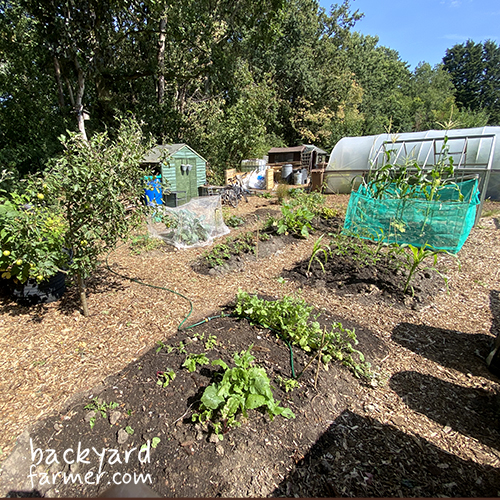
An allotment is a rented plot of land used mainly for growing fruit, vegetables and other plants. In the UK, allotments are usually part of a larger site where each tenant manages their own plot, sometimes sharing facilities such as paths and water supplies.
They provide space to grow your own food, particularly if you have a small garden or no garden at all.
How Do Allotments Work?
Allotments are generally owned or managed by local councils, allotment associations or private landowners. Individual plots are rented to tenants, usually for an annual fee.
Each person is responsible for cultivating and maintaining their own growing space. Facilities vary between sites but may include shared water supplies, communal paths, toilets and storage areas.
Unlike a private back garden, an allotment comes with a tenancy agreement. This sets out how the land can be used, what structures are permitted and the maintenance standards expected.
Allotments are also different from community gardens. While a community garden is often managed collectively, an allotment holder normally has their own designated plot and decides what to grow within the site’s rules.
How Big Is an Allotment?
A traditional full-sized British allotment measures ten square rods (also called square poles or square perches), equivalent to approximately 250 square metres.
That’s roughly the area of a rectangular plot measuring 10 metres by 25 metres — a substantial amount of growing space.
| Plot Size | Traditional Measurement | Approximate Area |
|---|---|---|
| Full plot | 10 square rods | 250 m² |
| Half plot | 5 square rods | 125 m² |
| Quarter plot | 2.5 square rods | 63 m² |
These are traditional measurements rather than fixed modern standards. Many allotment sites now offer smaller starter plots, while others have irregularly shaped growing areas.
A full plot provides plenty of room for vegetables, fruit bushes, composting and paths. However, it also takes more time to maintain.
For beginners, a half or quarter plot can be a more manageable starting point. Even a relatively small area can produce a worthwhile harvest when organised carefully.
You can use our free allotment planner to visualise how growing beds, paths and other features might fit into different plot sizes.
What Can You Grow on an Allotment?
Allotments are primarily used for growing food, but there’s considerable flexibility in how you use the space.
Popular crops include potatoes, onions, carrots, beans, courgettes and leafy greens. Many allotment holders also grow fruit, herbs, flowers and permanent crops such as rhubarb, raspberries and asparagus.
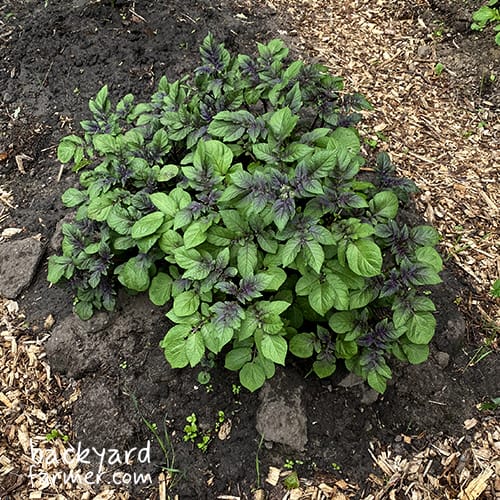
Some plots use traditional vegetable rows, while others have raised beds or a mixture of growing areas.
Depending on the site’s rules, you may also be able to install a shed, greenhouse, polytunnel, composting area or water butt. Larger structures and fruit trees often require permission, so check the tenancy agreement before making permanent changes.
If you’re new to growing food, our guide to vegetables to grow in the UK is a useful place to start.
Why Do People Have Allotments?
For many people, the main attraction is growing fresh, seasonal food. An allotment offers space to grow crops that might be difficult to accommodate in a small garden.
But food production is only part of the appeal.
Working on an allotment provides regular outdoor activity, an opportunity to learn practical skills and the satisfaction of growing something from seed to harvest.
Allotments can also support wildlife through flowering plants, compost heaps, ponds and areas managed to provide habitat.
There’s often a social side, too. Although each person looks after their own plot, allotment neighbours frequently exchange advice, spare plants and surplus produce.
Some people focus on producing as much food as possible, while others enjoy a more relaxed approach. Both can work, provided the plot is maintained in accordance with the site’s rules.
How Much Does an Allotment Cost?
Allotments are generally affordable to rent, although prices vary considerably depending on location, plot size and who manages the site.
For comparison, published annual council rents for full-sized plots in 2026/27 include:
| Local Authority | Annual Rent |
|---|---|
| Basingstoke and Deane | £65 |
| Leeds | £81 |
| Knowsley | £104 |
These are examples, not a standard UK price range. Charges can change, and additional fees may apply for water, administration, keys or association membership.
You’ll also need to consider the initial cost of getting started.
Basic tools, seeds, compost, supports and other materials can add up, particularly if you’re taking on an overgrown plot that needs clearing.
However, there’s no need to buy everything immediately. Seeds are relatively inexpensive, materials can often be reused, and neighbouring plot holders may have spare plants or equipment to share.
An allotment can help reduce the cost of some home-grown produce, but it doesn’t automatically save money, especially during the first year.
How Much Work Does an Allotment Take?
An allotment can be incredibly rewarding, but it requires regular attention throughout the growing season.
The amount of work depends on the size and condition of the plot, how you choose to grow and your level of experience.
As a rough guide, the Royal Horticultural Society suggests that an inexperienced gardener might spend around eight hours a week maintaining a half-sized allotment, although established plots and experienced growers may need less time.
Taking over a neglected plot can involve considerably more work initially. Clearing weeds, establishing beds and making the space usable may take weeks or months, depending on its condition.
Once established, the workload follows a seasonal pattern:
- Spring: Preparing beds, sowing seeds, planting crops and managing emerging weeds.
- Summer: Watering when needed, weeding, supporting plants and harvesting.
- Autumn: Harvesting remaining crops, clearing growing areas and caring for the soil.
- Winter: Maintaining paths and structures, planning and preparing for the next season.
Regular visits generally make an allotment easier to manage than allowing tasks to build up.
Most allotment sites expect tenants to keep their plots cultivated and reasonably maintained. Some carry out inspections, and persistent neglect can ultimately result in losing the tenancy.
An allotment doesn’t need to look immaculate, but it does need consistent care.
Is an Allotment Right for You?
If you enjoy growing plants, spending time outdoors and producing some of your own food, an allotment can be a worthwhile investment of your time.

The biggest consideration is whether you can maintain it regularly.
A plot close to home is often easier to look after than one requiring a long journey, particularly during summer when crops may need more frequent attention. Plot size matters too — a smaller, productive space can be more enjoyable than a large area that becomes difficult to manage.
You don’t need extensive gardening experience or expensive equipment. Much of the learning happens through growing crops, making mistakes and exchanging advice with other allotment holders.
However, it’s worth being realistic about the physical work and the time available alongside your other commitments.
Starting with a manageable plot and developing it gradually is often the best approach. An allotment should be something you enjoy working on, rather than a responsibility that becomes overwhelming.
How Do You Get an Allotment?
If you decide you’d like an allotment, the first step is to find out who provides plots in your area.
Local councils, parish councils, allotment associations and private landowners may all manage allotment sites.
In England and Wales, the GOV.UK allotment application service can direct you to your local council. In Scotland and Northern Ireland, contact your local council or allotment provider to check the arrangements.
Availability varies considerably. Some sites have vacant plots, while others operate waiting lists that can last several years.
Application requirements also differ, and some providers restrict applications to local residents.
Before accepting a plot, it’s worth viewing the site and checking its condition, facilities, annual charges and tenancy requirements.
For more detailed advice, see our How to Get an Allotment in the UK beginner’s guide.
A Brief History of British Allotments
British allotments developed gradually from earlier arrangements that provided people with small areas of land to grow food.
During the eighteenth and nineteenth centuries, changes in farming, land ownership and industrial employment increased the need for growing space, particularly among working families.
Legislation introduced during the nineteenth and early twentieth centuries helped establish the modern allotment system.
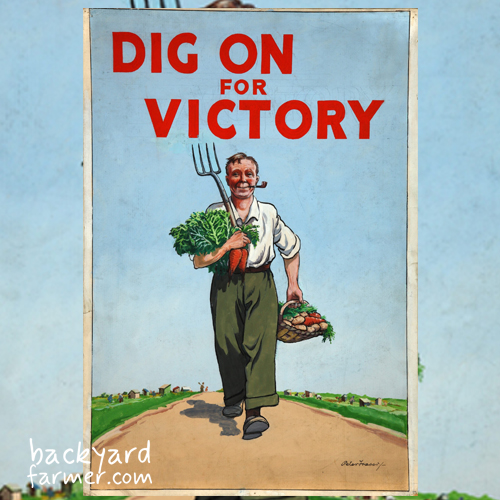
Allotments became especially important during both world wars, with the Second World War’s Dig for Victory campaign encouraging people to grow more of their own food.
Although allotment provision declined during parts of the post-war period, allotments remain an important part of Britain’s food-growing culture.
You can explore their origins in more detail in our History of British Allotments guide.
Frequently Asked Questions
No. Allotments are suitable for complete beginners as well as experienced gardeners. Starting with a few manageable crops is a good way to learn, provided you can meet the site’s cultivation and maintenance requirements.
Often, yes, although arrangements vary between sites. Some allow joint tenancies or formal plot sharing, while others require one named tenant. Friends and family may be allowed to help with growing, but check the tenancy conditions before arranging to share a plot.
In England and Wales, Section 12 of the Allotments Act 1950 provides legal protection for keeping hens and rabbits for non-commercial purposes, subject to conditions concerning health, nuisance, animal welfare and other applicable laws.
Beekeeping is treated differently and may require permission from the site manager or landowner. Site-specific requirements also apply.
Rules differ elsewhere in the UK.
Allotments are primarily intended for personal food production rather than commercial growing.
The National Allotment Society advises that genuine seasonal surplus can be sold where the proceeds go back into maintaining the plot. However, tenancy agreements may impose additional restrictions, so check the rules for your particular site.
No, not under an ordinary allotment tenancy. Allotments are intended for growing and associated recreational activities, not permanent residential use. Many sites also prohibit overnight stays or sleeping in sheds.