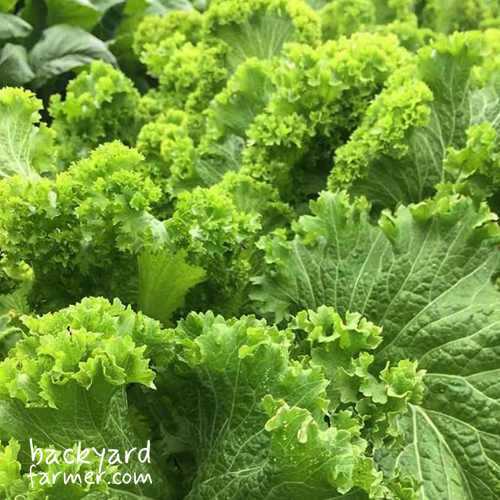
Mustard greens are fast-growing, peppery leaves that are easy to grow in UK gardens and allotments. Harvest them young for salads or allow larger leaves to develop for cooking. Although spring sowing is possible, mustard is particularly useful as an autumn crop, with established plants providing harvests into winter.
When to Sow Mustard in the UK
Mustard greens can be sown from spring through to early autumn, but late-summer sowings are often the most dependable for a longer harvest.
Many varieties are prone to bolting during spring and summer, particularly when growing conditions become stressful. Sowing in August or early September allows plants to establish as temperatures begin to fall and the days shorten.
| Period | Sowing advice |
|---|---|
| March–May | Spring sowings for young leaves, although some varieties bolt early |
| June–July | Possible, but hot weather and bolting can shorten the harvest |
| August–September | Recommended for autumn crops and establishing plants for winter |
| October–February | Harvest established plants; new outdoor sowings are generally unreliable |
These are general UK growing windows rather than fixed dates. In colder or exposed gardens, aim for earlier autumn sowings, while sheltered gardens and greenhouses may extend the season.
Mustard is particularly useful for filling gaps after summer vegetables. For more seasonal ideas, see What to Plant Each Month in the UK.
Why Does Mustard Bolt Early?
Bolting happens when a mustard plant begins producing a flowering stem instead of continuing to develop leaves.
Mustard can bolt prematurely because of its variety, temperature changes, day length or growing stress. Some varieties are particularly prone to flowering after early spring sowing.
Once flowering begins, leaf production slows and the remaining leaves may become tougher.
For longer autumn harvests, try sowing in August or early September. During spring and summer, harvest leaves while they are young rather than relying on plants remaining productive for months.
Where to Grow Mustard
Mustard grows best in fertile, well-drained soil that retains enough moisture for steady leaf production.
Choose a sunny position in spring and autumn. During hot summer weather, light afternoon shade can help prevent the soil from drying too quickly.
Most reasonably fertile vegetable beds are suitable. If your soil is poor, incorporate some mature compost before sowing. Avoid waterlogged conditions and strongly acidic soil.
How Far Apart to Plant Mustard
Spacing depends on whether you’re growing young salad leaves or larger plants.
For baby leaves, sow seeds fairly close together and harvest before the plants become overcrowded.
For mature leaves, thin seedlings to approximately 20cm apart, leaving 25–30cm between rows. This provides enough space for each plant to develop a fuller crown of leaves.
Mustard belongs to the brassica family, alongside cabbage, kale and broccoli. Include it in your allotment crop rotation, particularly where clubroot has previously been a problem.
How to Sow Mustard Seeds
Mustard can be sown directly outdoors or started in modules before transplanting.
Direct sowing is the simplest approach, while modules are useful when preparing autumn crops or protecting seedlings from early pest damage.
Sowing Mustard Directly Outdoors
- Prepare the soil. Remove weeds and rake the surface to create a fine, level seedbed. Water beforehand if the soil is dry.
- Sow the seeds. Make shallow drills approximately 0.5–1cm deep. Sow thinly along the row and cover lightly with soil.
- Keep the soil moist. Water gently after sowing and maintain moisture while the seeds germinate.
- Thin the seedlings. Leave closely spaced plants for baby-leaf harvesting, or thin to approximately 20cm apart for mature leaves.
- Protect young plants. Fit fine insect-proof mesh before flea beetles cause damage, securing the edges to prevent insects getting underneath. Watch for slugs around newly emerging seedlings.
Mustard generally germinates within 3–12 days under suitable conditions. Cold soil can slow germination, while warmer, moist conditions encourage quicker establishment.
For a continuing supply of young leaves, sow small batches every two or three weeks when growing conditions are suitable. During hot weather, frequent sowings may be less productive because plants can bolt quickly.
Growing Mustard from Seed in Modules
Starting mustard in modules is useful if your vegetable beds are still occupied or young seedlings frequently disappear before becoming established.
Fill a module tray with peat-free seed compost and sow a small number of seeds into each cell. Keep the compost moist and provide plenty of light.
For larger individual plants, thin to one healthy seedling per module. Small groups can also be grown together when harvesting younger leaves.
Transplant when seedlings are sturdy, with several true leaves and roots holding the compost together. Water thoroughly after planting and protect them while they establish.
Planning your autumn growing space?
Mustard can make use of beds cleared after summer crops. The free BYF Allotment Planner can help you organise your planting space and plan what to grow next.
Caring for Mustard Plants
Once established, mustard requires relatively little attention. Consistent moisture and protection during early growth are usually the main priorities.
Watering and Feeding
Keep the soil reasonably moist, particularly while seedlings develop and during warm, dry weather.
Avoid allowing the soil to repeatedly dry out, as this can slow growth and stress the plants.
A light organic mulch around established mustard can help retain moisture. Keep thick, damp material away from small seedlings.
Mustard growing in fertile garden soil rarely needs additional feeding during a short growing season. If plants are struggling, check moisture, drainage and growing conditions before adding fertiliser.
Protecting Young Mustard Plants
Young mustard is vulnerable to several common brassica pests.
Flea beetles leave numerous small holes in developing leaves. Fine insect-proof mesh fitted before damage begins is an effective way to protect seedlings.
Slugs and snails can also destroy young plants, particularly during damp autumn weather. Check vulnerable seedlings regularly and reduce suitable hiding places immediately around them.
Established mustard can usually tolerate some leaf damage without losing the entire crop, but seedlings need greater protection.
When and How to Harvest Mustard Greens
Mustard greens can be ready for harvesting in approximately 4–12 weeks, depending on the variety, growing conditions and desired leaf size.
Baby leaves are ready first, while larger plants take longer to develop. Growth is also considerably slower during colder months.
Harvesting Baby and Mature Mustard Leaves
For baby leaves, begin harvesting when the foliage reaches approximately 10cm tall.
Use clean scissors to cut young leaves above the growing points, leaving enough healthy growth for the plants to recover. Avoid cutting through the central crown, as this can prevent further harvests.
Under suitable conditions, young mustard can provide several cut-and-come-again harvests.
For larger plants, pick individual outer leaves as required. Leave the smaller central leaves intact so the plant can continue growing.
Harvest regularly to make use of the crop before older leaves become coarse or plants begin flowering.
How to Eat Mustard Greens
Mustard leaves have a distinctive peppery flavour, although their strength varies between varieties and growing conditions.
Young leaves are generally tender enough for salads, sandwiches and mixed salad bowls. Combining them with milder greens can help balance their heat.
Larger leaves often develop a stronger flavour and are particularly useful in stir-fries, soups, curries and other cooked dishes.
Cooking softens the leaves and can mellow their sharpness, making mature mustard a useful alternative to spinach in many recipes.
Growing Mustard Greens in Winter
Mustard is a useful addition to a UK winter vegetable garden, particularly when plants become established before the coldest weather arrives.
Some varieties tolerate low temperatures well, but surviving winter and actively growing through winter are different things.
Short daylight hours and cold conditions can slow growth dramatically, even when plants remain healthy.
When to Sow Mustard for Winter Harvests
For winter harvesting, aim to sow mustard during August or early September.
This allows seedlings to develop a useful amount of foliage while temperatures and daylight are still favourable.
In milder areas or sheltered growing spaces, September sowings may continue establishing into autumn. Later sowings are less dependable, particularly outdoors.
Well-established plants can often provide leaves through autumn and may remain available for harvesting during milder winter periods.
Protecting Mustard from Winter Weather
An unheated greenhouse, polytunnel or coldframe provides useful shelter from persistent rain, strong winds and severe weather.
Outdoor mustard can also benefit from horticultural fleece or cloches during colder conditions.
Keep the soil moist without overwatering, and provide ventilation under cover when conditions allow to reduce prolonged dampness.
During December and January, growth may almost stop. Harvest sparingly, leaving enough foliage for the plants to recover when conditions improve. Avoid picking leaves while they are frozen.
As temperatures and daylight increase towards spring, surviving plants often begin growing again before eventually producing flower stems.
For other suitable crops, see our guide to the best winter salad leaves to grow in the UK.
Growing Mustard in Pots and Containers
Mustard grows well in containers, making it a useful option for patios, small gardens and sheltered growing spaces.
For baby leaves, a container around 15–20cm deep is suitable. Larger plants benefit from deeper containers with enough width to allow approximately 20cm between plants.
Make sure there are drainage holes and fill the container with good-quality peat-free multipurpose compost.
Sow fairly closely for baby leaves, harvesting while the plants are small. For larger leaves, thin seedlings to give individual plants room to develop.
Check moisture regularly, as containers dry out more quickly than garden soil, particularly during warm weather.
During winter, pots can be moved into an unheated greenhouse or sheltered position to protect plants from prolonged wet and freezing conditions.
Best Mustard Variety to Grow in the UK
‘Red Giant’ Mustard
‘Red Giant’ is a good choice for UK gardeners wanting a productive mustard with attractive foliage and a strong, peppery flavour.
Its large, crinkled leaves develop distinctive reddish-purple colouring, making it suitable for both young salad leaves and larger cooked greens.
It is particularly useful for late-summer and autumn sowing, with established plants capable of remaining productive into colder weather when conditions are suitable.
For growers primarily interested in winter crops, ‘Green in Snow’ is another variety worth considering for its cold tolerance and spicy leaves.
Common Mustard Growing Problems
Although mustard is generally straightforward to grow, several problems can affect establishment and leaf production.
| Problem | What to look for | What to do |
|---|---|---|
| Early bolting | A central flowering stem develops | Harvest usable leaves and try a later sowing |
| Flea beetles | Numerous small holes, particularly in young leaves | Check for jumping beetles and protect future seedlings with fine mesh |
| Disappearing seedlings | Young plants eaten or cut down | Check for slugs and snails, especially after dark |
| Yellowing leaves | Discolouration, sometimes with weak growth | Check drainage, soil moisture and root condition |
| Poor growth | Small leaves or stunted plants | Check light, moisture, spacing and soil fertility |
A few holes in established mustard leaves are not necessarily a serious problem. Healthy plants can often continue producing usable foliage despite minor damage.
Seedlings are less resilient, so deal with rapidly increasing damage before too much foliage is lost.
Our guides to flea beetles and natural slug control explain how to protect vegetable crops without relying on routine chemical treatments.
Frequently Asked Questions
Yes. Mustard can be grown indoors for baby leaves or microgreens, provided it receives enough light.
A bright windowsill may support small crops, although a grow light can help during darker months. Growing full-sized mustard plants indoors generally requires more space and light.
For more advice, see our guide to growing salad leaves indoors.
No. Mustard greens are commonly grown from Brassica juncea, while mizuna is a form of Brassica rapa.
Both belong to the brassica family, but mizuna generally has a milder flavour and finely divided leaves.
See our UK mizuna growing guide for more information.
Yes. Mustard plants can be allowed to flower and produce seed pods, which are harvested once mature.
Seed production requires a longer growing period than harvesting leaves. Allow the pods to mature, then collect and dry the seeds thoroughly before storing them.
Not usually. Edible mustard greens are commonly varieties of Brassica juncea, while white mustard (Sinapis alba) is widely grown as a green manure.
Both belong to the brassica family, so they should be considered when planning crop rotation, particularly where clubroot is a concern.