
February can still provide worthwhile harvests from a UK vegetable garden or allotment. Purple sprouting broccoli may begin producing tender spears, while rhubarb forced earlier in winter can provide its first stalks.
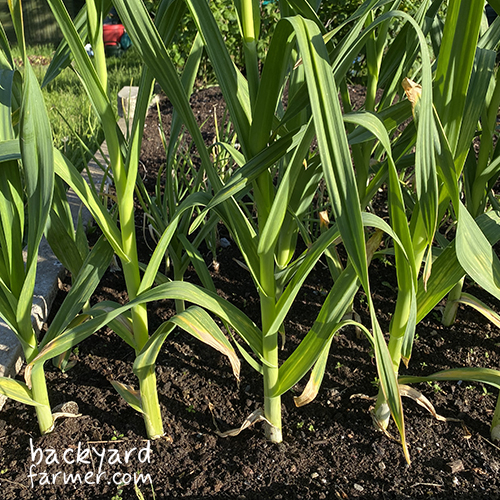
Leeks, kale, parsnips, Jerusalem artichokes and late Brussels sprouts may also remain available, alongside smaller harvests from established winter salads.
Some winter crops are finishing while others are beginning to produce. The key is knowing what to pick now, what to leave growing and when a winter crop has finished.
For a year-round overview, see our UK Harvest Calendar.
What Can You Harvest in February in the UK?
February harvests combine hardy vegetables established the previous year with late-winter crops beginning to reach maturity.
| Crop group | What may be ready in February |
|---|---|
| Emerging late-winter crops | Purple sprouting broccoli from suitable varieties |
| Hardy winter vegetables | Leeks, kale, cavolo nero, late Brussels sprouts |
| Winter cabbage | Remaining Savoy and suitable winter cabbage varieties |
| Winter roots and tubers | Parsnips, Jerusalem artichokes, remaining swedes, celeriac |
| Conditional brassicas | Winter cauliflower, suitable spring cabbage thinnings |
| Forced crops | Forced rhubarb and witloof chicory |
| Winter salads | Winter lettuce, spinach, corn salad, mizuna, chard, rocket |
| Hardy herbs | Rosemary, thyme, sage, sheltered parsley |
Most of these crops were planted months earlier. Purple sprouting broccoli and winter cauliflower depend on variety and maturity, while rhubarb must have been forced sufficiently early to provide a February harvest.
Conditions also vary considerably across the UK. A crop may be ready in a sheltered southern garden while the same variety is still developing on an exposed northern allotment.
Despite increasing daylight, February remains a winter month.
What Should You Harvest or Leave Growing in February?
Some winter vegetables are finishing, while purple sprouting broccoli and other late-winter crops may only just be reaching harvesting size.
| What you find | What to do |
|---|---|
| Purple sprouting broccoli with mature, tight spears | Harvest ready shoots and leave smaller ones |
| Forced rhubarb with developed stalks | Harvest suitable stalks without exhausting the crown |
| Brussels sprouts beginning to loosen | Pick remaining usable sprouts |
| Healthy winter leeks | Continue lifting as needed |
| Mature winter cabbage or cauliflower | Cut sound, fully developed heads |
| Parsnips and Jerusalem artichokes in suitable soil | Lift roots or tubers as required |
| Close-planted spring cabbage with usable thinnings | Harvest sufficiently developed greens |
| Brassicas that have finished cropping | Clear once no worthwhile harvest remains |
New growth doesn’t necessarily mean a vegetable is ready. Purple sprouting broccoli, for example, may have developing buds that need several more weeks.
Equally, don’t remove productive plants simply because their outer leaves look untidy after winter. Healthy leeks and roots may remain available, while genuinely finished crops can be cleared when conditions allow.
Vegetables to Harvest in February
Purple Sprouting Broccoli
February can be an important harvesting month for purple sprouting broccoli, particularly early and suitable late-winter varieties.
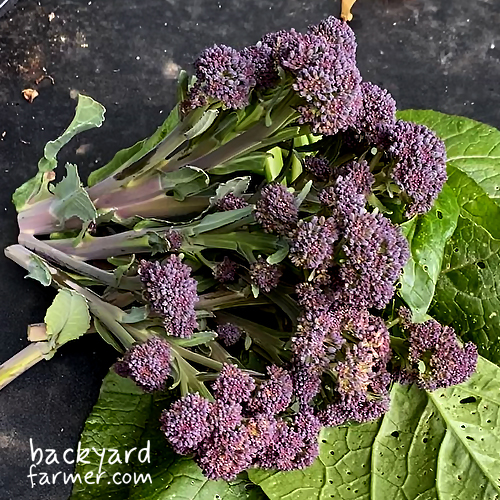
- Ready when: Spears are well developed and the purple or green flower buds remain tightly closed.
- Watch for: Buds opening into flowers, immature shoots, pigeon damage and wind-rock.
- February tip: Harvest the mature central spear first, then collect side shoots individually as they develop.
Check the central growing point for a compact cluster of buds. Once the spear is mature, cut it with a sharp knife, taking a short length of tender stem.
Further side shoots can develop below the first cut, allowing several smaller harvests from the same plant.
Pick these as they become ready rather than removing every developing bud. During cold weather, smaller shoots may take time to reach harvesting size.
Later spears often become thinner as cropping continues. Harvest while their buds remain tight, before they begin opening into flowers.
Not every variety will be ready in February. Traditional spring-cropping purple sprouting broccoli may not produce its main harvest until March or April.
Keep pigeon protection supported above the plants and check tall stems after strong winds.
Don’t discard plants simply because older leaves have suffered frost damage. Healthy growing points may still produce worthwhile shoots.
For more advice, see How to Grow Purple Sprouting Broccoli.
Leeks
Hardy winter leeks can continue providing fresh vegetables throughout February, particularly from later-maturing varieties.
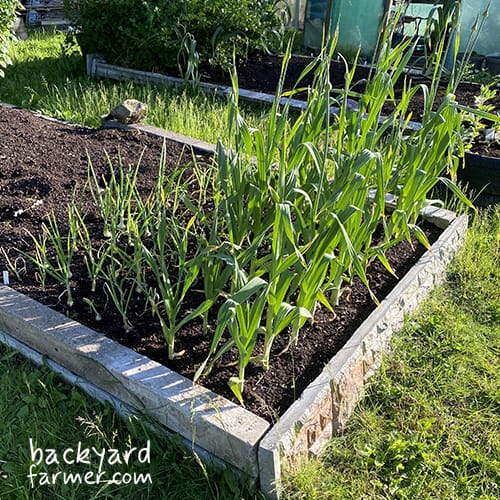
- Ready when: The stems have developed a useful thickness for the variety.
- Watch for: Rot, allium leaf miner damage, rust and waterlogged ground.
- February tip: Lift the largest sound leeks first, leaving smaller healthy plants where conditions remain suitable.
Use a garden fork to loosen the soil beside the roots before lifting. Pulling directly against tightly packed soil can damage or snap the stems.
Inspect the white stems and surrounding leaves for pest damage or deterioration, particularly where plants have remained in wet ground for several months.
Healthy winter leeks don’t need harvesting all at once. Leaving them standing provides a convenient supply while early spring crops are still developing.
For growing advice, see How to Grow Leeks in the UK.
Brussels Sprouts
Late Brussels sprout varieties and remaining mature sprouts may still be harvestable during February.
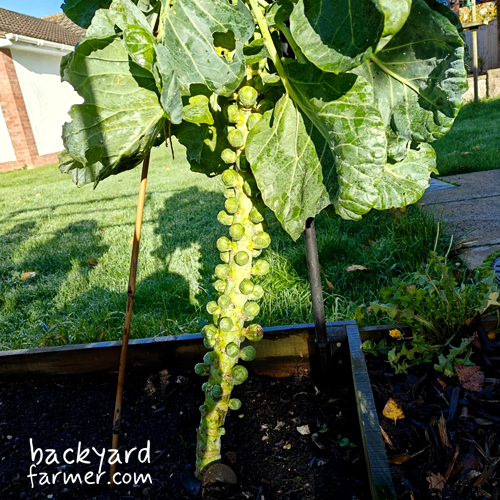
- Ready when: The remaining sprouts are firm, tightly closed and have reached a useful size.
- Watch for: Loose sprouts, yellowing, rotting leaves, pigeon damage and unstable stalks.
- February tip: Collect mature sprouts promptly before they deteriorate.
Continue picking from the bottom upwards, checking individual sprouts for firmness and condition.
Some smaller sprouts higher up the stalk may still be developing, but don’t assume every button will become larger during February.
Sprouts that have loosened or started opening may be past their best, particularly if they are yellowing or deteriorating.
The leafy tops can also be used as greens where they remain healthy and tender.
Once the remaining usable sprouts and suitable greens have been harvested, the finished plant can be cleared.
For detailed harvesting advice, see When to Harvest Brussels Sprouts.
Kale, Cavolo Nero and Winter Cabbage
Kale and cavolo nero can continue providing useful leaves during February, while suitable winter cabbages may have their final mature heads ready to cut.
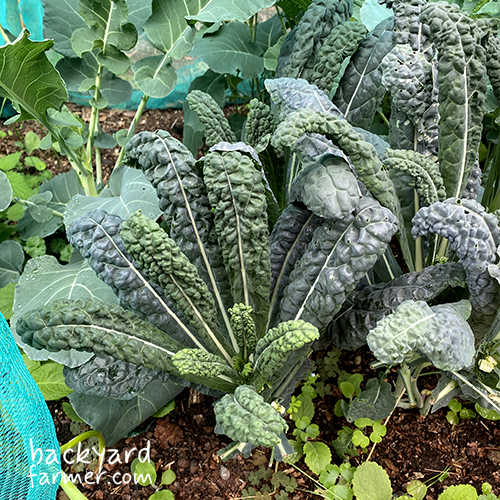
- Ready when: Kale leaves are large enough to use and cabbage heads are mature, firm and sound.
- Watch for: Pigeon damage, rotting foliage, frost damage and deteriorating cabbage heads.
- February tip: Harvest healthy kale leaves selectively and cut mature winter cabbage heads before they decline.
Kale and cavolo nero: Pick larger outer or lower leaves, leaving the central growing point intact.
Replacement growth may improve as daylight increases, although cold temperatures can still restrict development.
In milder conditions, some overwintered kale may begin producing flowering shoots. Tender young shoots can be eaten, although heavily flowering plants are approaching the end of their leaf harvest.
Remove badly damaged outer leaves where necessary, but retain plants with healthy growing points.
Winter cabbage and Savoy: Harvest mature heads while they remain firm and usable.
Suitable winter varieties may still be available, but spring cabbage planted for later cropping will generally still be developing.
For more advice on varieties and winter harvesting, see How to Grow Winter Cabbage in the UK.
Parsnips and Swedes
Parsnips and remaining swedes can provide fresh roots during February where soil conditions and crop quality remain suitable.
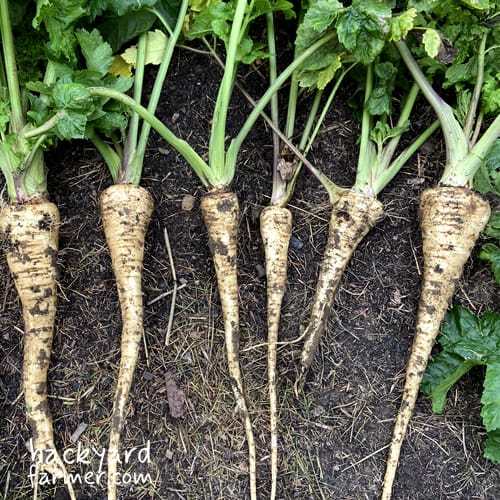
- Ready when: Roots have reached a useful size and remain firm and sound.
- Watch for: Waterlogging, soft patches, slug damage and frozen-ground access.
- February tip: Check remaining roots and lift mature crops where conditions allow.
Parsnips: Hardy roots can remain underground throughout winter in suitable soil.
Cold weather may improve their sweetness, but roots can deteriorate if conditions become unsuitable.
Lift a sample parsnip if you’re unsure whether the remaining crop is sound. Use a fork to loosen the soil carefully, particularly where roots have grown deeply.
If the foliage has disappeared, row markers make harvesting easier.
Swedes: Remaining mature roots may still be usable, although late outdoor harvesting becomes less dependable in persistently wet or severely frozen ground.
Check for soft patches, slug damage and signs of deterioration before leaving the crop any longer.
For detailed harvesting advice, see When to Harvest Parsnips in the UK.
Jerusalem Artichokes and Celeriac
Both crops can still be harvested during February, although their harvesting and storage requirements differ.
Jerusalem Artichokes
Jerusalem artichoke tubers remain underground after the tall stems have died back.
- Ready when: The foliage has died back and mature tubers have developed.
- Watch for: Waterlogging, damaged tubers and unwanted regrowth from missed tubers.
- February tip: Dig small quantities as needed, leaving remaining sound tubers in suitable ground.
Jerusalem artichokes generally keep better underground than after harvesting.
Use short stem stumps or markers to locate the plants, then loosen the soil carefully with a fork before collecting the tubers.
Small tubers left behind may grow into new plants when conditions improve.
Celeriac
Celeriac can remain harvestable during February where the roots are healthy and conditions suitable.
- Ready when: The swollen root has reached a useful size and remains firm.
- Watch for: Frozen ground, waterlogging and root deterioration.
- February tip: Lift sound roots selectively, or leave suitably protected crops where conditions remain favourable.
Straw or another suitable mulch can help limit soil freezing and keep mature roots accessible.
Inspect standing roots where beds have been repeatedly waterlogged during winter.
Winter Cauliflower and Spring Greens
Some winter cauliflower varieties produce mature heads during February, while suitable spring cabbage crops may provide early greens towards the end of the month.
Winter Cauliflower
- Ready when: The curd is compact, firm and fully developed.
- Watch for: Frost damage, discolouration and florets beginning to separate.
- February tip: Cut mature heads promptly before they deteriorate.
Only suitable winter-cropping varieties will be ready during February. Many overwintering cauliflowers won’t mature until later in spring.
Spring Cabbage Thinnings
In particularly mild conditions, closely planted spring cabbages may provide usable thinnings towards the end of February. However, March is a more typical starting point for harvesting spring greens.
Remove only plants that are sufficiently developed to use, leaving the main crop to continue growing.
Most spring cabbage heads won’t be ready until later, so don’t cut immature plants simply because new growth is appearing.
Harvesting Rhubarb in February
Forced Rhubarb
Forced rhubarb is one of February’s more distinctive harvests, provided established crowns were prepared early enough.
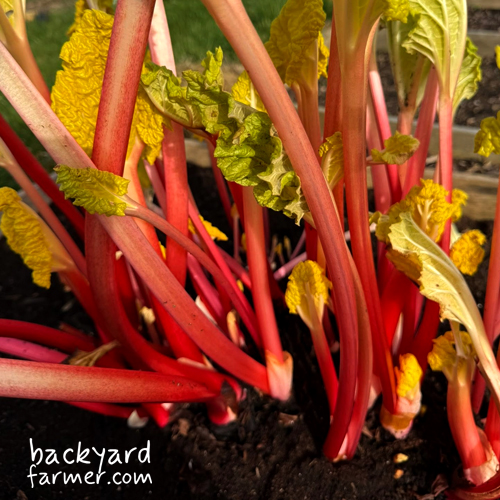
- Ready when: Stalks are firm, tender and sufficiently developed to use. Exact length varies by variety and growing conditions.
- Watch for: Weak crowns, immature stalks and excessive harvesting.
- February tip: Harvest well-developed stalks from established crowns forced several weeks earlier.
Forcing rhubarb involves excluding light and encouraging the crown into early growth. This produces tender stalks, often with bright pink or red colouring.
Rhubarb forced during December or early January may be ready in February, although harvesting generally takes around four to eight weeks after forcing begins.
Harvest mature stalks by holding them near the base and pulling with a gentle twisting motion, rather than cutting them and leaving a stub.
Only the stalks are edible. Rhubarb leaves must never be eaten.
Forcing uses the crown’s stored energy. Once the forced crop has been harvested, remove the cover and allow the plant to recover without further harvesting that season. Don’t force the same crown every year.
Can Outdoor Rhubarb Be Ready in February?
Occasionally, established outdoor rhubarb produces usable stalks unusually early during mild February weather, particularly in sheltered positions.
However, this is not a dependable harvest across the UK.
If the plant is only beginning to emerge, leave the stalks to develop. Avoid heavy harvesting from weak or recently established crowns.
For more advice, see When to Harvest Rhubarb in the UK.
Other Specialist February Harvests: Forced Chicory
Witloof chicory roots prepared during autumn can be forced indoors to produce pale, tightly packed shoots known as chicons.
Harvest once the chicons have reached a useful size and the leaves remain compact.
This is a winter crop for gardeners who prepared suitable roots earlier in the season, rather than a typical February harvest from ordinary outdoor chicory plants.
Winter Salads to Harvest in February
Established winter salads can continue providing usable leaves during February, particularly in sheltered beds, greenhouses, polytunnels and cold frames.
| Crop | February harvesting advice |
|---|---|
| Winter lettuce | Pick developed leaves from established plants |
| Spinach | Harvest healthy outer leaves selectively |
| Corn salad | Collect mature leaves or established rosettes |
| Mizuna and other hardy oriental greens | Pick developed foliage as required |
| Swiss chard | Harvest surviving healthy leaves and stems |
| Rocket and land cress | Take small harvests where plants remain productive |
Increasing daylight may encourage established salads to produce more leaves, particularly towards the end of February. However, cold soil and low temperatures can still restrict growth.
Take healthy outer leaves selectively, preserving the growing points where further harvests are expected.
Under protection, check for slugs, rotting foliage and excessive condensation. Ventilate greenhouses and cold frames when conditions allow.
Most February salad harvests come from plants established before winter. Seeds newly sown during February in ordinary unheated conditions are unlikely to provide an immediate harvest.
Herbs to Harvest in February
Established hardy herbs may provide small harvests during February, although growth remains limited.
| Herb | What to harvest | February advice |
|---|---|---|
| Rosemary | Small leafy sprigs | Avoid hard pruning |
| Thyme | Healthy shoots | Harvest sparingly |
| Sage | Sound leaves | Take modest amounts |
| Parsley | Healthy outer leaves | More reliable where sheltered or protected |
Take small quantities from healthy plants rather than cutting them back heavily. Chives may begin emerging in sheltered positions, but new shoots aren’t necessarily ready for worthwhile harvesting.
Tender herbs such as basil are not reliable outdoor February crops in the UK.
Fruit and Stored Produce in February
Very little fruit is reliably harvested fresh outdoors across the UK during February.
Most homegrown apples and pears eaten during the month were harvested in autumn and stored. Suitable keeping varieties may still be usable where storage conditions have been good.
Potatoes, onions, garlic and winter squash can also supplement the remaining fresh winter vegetables.
Check stored produce regularly for soft patches, mould, sprouting and other signs of deterioration. Remove spoiled items promptly.
Produce available to eat in February should not be confused with crops freshly harvested during the month.
February Harvesting Tips: Protect Productive Crops and Clear Finished Ones
Protect Crops Still Producing
Purple sprouting broccoli, kale and other winter brassicas may still provide valuable harvests during February.
- Keep pigeon netting securely fitted and supported above the foliage.
- Check tall plants following strong winds.
- Inspect developing shoots before deciding a plant has finished.
- Remove badly rotting outer leaves where appropriate.
Retain purple sprouting broccoli while healthy side shoots are still developing, even if the older foliage looks untidy.
Harvest Carefully From Wet Soil
Use established paths where possible and avoid repeatedly walking across saturated beds.
Where healthy roots can remain safely underground, waiting until the soil becomes workable may prevent unnecessary damage.
Clear Crops That Have Finished
Once Brussels sprouts, winter cabbage or other brassicas have genuinely finished producing, remove the spent plants where conditions allow.
Remove badly diseased or rotting remains appropriately, but avoid disturbing productive neighbouring crops.
Clearing a bed doesn’t mean it needs to be dug or cultivated immediately.
What to Do After a February Harvest
As winter crops finish, identify growing areas becoming available for spring planting.
- Empty beds: Protect exposed soil with compost or suitable organic mulch.
- Wet or frozen ground: Avoid unnecessary digging or cultivation.
- Next crops: Plan how cleared growing areas will be used during spring.
You can use the free Backyard Farmer Allotment Planner to organise growing areas and plan the next season’s planting.
FAQ – What to Harvest in February UK
February harvests include suitable purple sprouting broccoli, leeks, kale, cavolo nero, late Brussels sprouts, parsnips and Jerusalem artichokes. Remaining swedes, celeriac, winter cauliflower and established salads may also be available, depending on variety and conditions.
Look for mature purple sprouting broccoli, healthy standing leeks, kale, remaining Brussels sprouts and winter roots. Suitable winter cauliflower and protected salads may also provide harvests. Check which crops are ready, still developing or have finished producing.
Yes, some early and late-winter varieties are ready during February. Harvest spears once they are well developed and the flower buds remain tightly closed. Traditional spring-cropping varieties may not be ready until March or April.
Yes, particularly from established crowns forced several weeks earlier. Forced rhubarb may produce tender stalks during February, while ordinary outdoor rhubarb is generally not ready. Occasionally, established plants in mild, sheltered areas produce unusually early outdoor harvests.
Yes. Hardy winter leeks and parsnips can remain harvestable throughout February where the plants and soil conditions are suitable. Lift sound mature crops as required, checking for damage or deterioration before leaving them any longer.
Late Brussels sprout varieties may continue providing harvests during February. Pick remaining sprouts while they are firm and tightly closed. Once the usable sprouts and suitable greens have been collected, the finished plant can be cleared.
Established winter lettuce, spinach, corn salad, mizuna, rocket and other hardy salad leaves may provide useful pickings. Increasing daylight can improve growth, although cold temperatures still limit production. Newly sown February crops are unlikely to be ready immediately.
Very little fruit is reliably harvested fresh outdoors during February. Most homegrown apples and pears available at this time come from autumn storage. Forced rhubarb can provide an early culinary fruit harvest where established crowns were prepared sufficiently early.