
October is an important harvest month in the UK garden. Pumpkins and winter squash are reaching maturity, maincrop potatoes are being lifted for storage, and autumn vegetables such as leeks, kale, carrots and swedes are ready to pick.
Some summer crops may still be producing in sheltered gardens, but colder nights and the risk of frost mean their season is coming to an end.
The key is knowing what needs harvesting now, what can be stored for winter and what is better left growing. Not everything needs lifting in October, and some hardy vegetables will continue providing fresh harvests well into winter.
For an overview of the whole growing year, see our UK Harvest Calendar.
What Can You Harvest in October in the UK?
October brings together the final summer harvests, mature storage crops and an increasing selection of winter vegetables.
| Crop group | What may be ready in October |
|---|---|
| Main storage harvests | Pumpkins, winter squash, maincrop potatoes, sweet potatoes |
| Root vegetables | Carrots, beetroot, turnips, swedes, parsnips, celeriac |
| Autumn and winter vegetables | Leeks, kale, cavolo nero, cabbage, cauliflower, early Brussels sprouts |
| Leafy and quick-growing crops | Pak choi, kohlrabi, Florence fennel, spinach, chard, winter lettuce |
| Remaining summer crops | Tomatoes, peppers, chillies, beans, courgettes, sheltered cucumbers |
| Fruit and nuts | Late apples, pears, quince, grapes, autumn raspberries, hazelnuts, walnuts |
| Herbs | Parsley, chives, mint, rosemary, thyme, sage, remaining basil |
Harvesting times vary with location, variety and weather. An exposed allotment in northern England may already have lost its tender summer crops, while a sheltered southern garden could still be producing tomatoes and beans.
Use the table as a starting point, then check each crop for signs of maturity.
What Should You Harvest Before the First Frost?
The first significant frost can quickly damage tender crops. Pumpkins, tomatoes and courgettes are particularly vulnerable, while many winter vegetables tolerate colder conditions.
| Harvest priority | Crops | What to do |
|---|---|---|
| Before frost | Mature pumpkins and winter squash | Harvest before freezing temperatures damage the fruit |
| Before frost | Sweet potatoes | Lift carefully before freezing conditions damage the roots |
| Before damaging cold | Tomatoes, peppers, chillies, beans, courgettes and cucumbers | Collect remaining usable produce |
| Before conditions deteriorate | Maincrop potatoes and mature beetroot | Assess maturity, soil conditions and storage needs |
| Can usually remain growing | Leeks, kale, parsnips, swedes and Brussels sprouts | Harvest as needed |
Frost dates vary considerably across the UK. Coastal gardens may remain mild while exposed inland plots experience freezing temperatures much earlier.
Cold, wet soil is another consideration. Even hardy roots may be better harvested if prolonged waterlogging is causing damage.
Check the local forecast and the condition of your crops rather than treating October as a fixed harvesting deadline.
Vegetables to Harvest in October
October is the main harvesting period for several crops intended for winter storage. Hardy vegetables are also beginning to replace the summer crops that have finished producing.
Pumpkins and Winter Squash
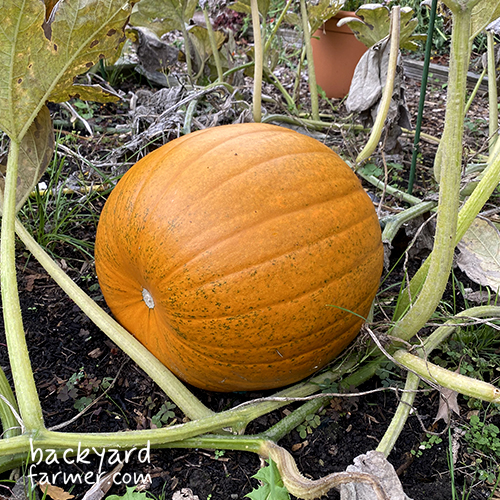
Pumpkins, butternut squash and other winter squash are among October’s main harvests. Allowing them to mature fully improves keeping quality, but frost can quickly damage fruit left outdoors.
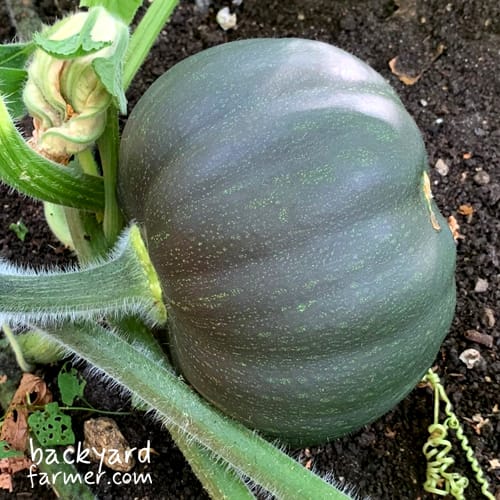
- Ready when: The fruit has developed its mature colour, the skin is hard and the stalk is becoming dry or corky.
- Watch for: Soft patches, slug damage, damaged stalks and approaching frost.
- October tip: Cut mature fruit with secateurs, leaving around 10cm of stalk attached. Never carry a pumpkin by its stalk.
Many mature storage varieties benefit from curing somewhere warm, dry, frost-free and well ventilated for around one to two weeks. Afterwards, store suitable fruit in a dry, ventilated place, ideally around 10–15°C. Some squash varieties have different curing requirements, so check what you are growing.
If the vine has died and the fruit is mature, there is little benefit in leaving it exposed to deteriorating weather. Damaged or immature squash should be used promptly rather than relied upon for winter storage.
For more detail on checking maturity, see our guide to when to harvest pumpkins in the UK.
Maincrop Potatoes
Maincrop potatoes are often harvested in September, but late varieties may remain ready for lifting into October.
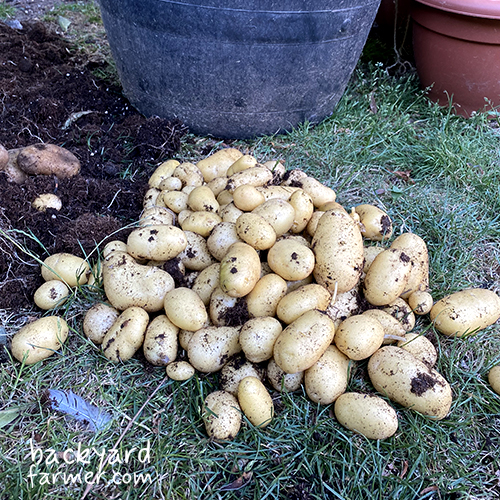
- Ready when: The tubers have reached their expected size and their skins no longer rub away easily. Foliage may have yellowed, died back or already been removed.
- Watch for: Slug damage, blight, waterlogged soil and potatoes exposed to daylight.
- October tip: Lift carefully in reasonably dry conditions and allow the tubers to dry briefly, away from direct sunlight, before storage.
Where healthy foliage has died back naturally, allowing around 10 days for the skins to set can improve storage quality.
However, waiting indefinitely for perfect weather can create problems. If mature potatoes are sitting in increasingly wet ground, lifting them and drying them under cover may be preferable.
If the crop has been affected by blight, remove diseased foliage promptly and follow blight-specific lifting guidance. Do not rely on potentially affected tubers for winter storage.
Separate cut, bruised or pest-damaged potatoes from sound tubers. Discard green potatoes, which can contain harmful levels of natural toxins.
Store healthy potatoes unwashed in a cool, dark, frost-free place.
See our potato harvesting guide for more detail on maturity and lifting.
Sweet Potatoes
Sweet potatoes can be harvested during October in the UK, although yields depend heavily on summer temperatures, variety and growing conditions.
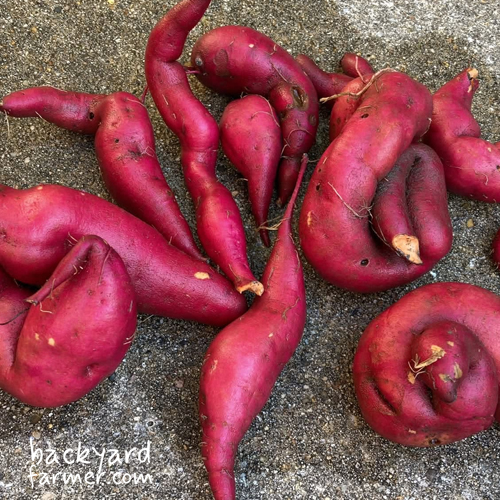
- Ready when: The plants have completed around four to five months of growth and the swollen storage roots have developed to a usable size.
- Watch for: Falling temperatures, frost and damage to the delicate skins during lifting.
- October tip: Loosen the soil with a fork well away from the base of the plant before carefully lifting the roots.
Sweet potatoes need warmer storage conditions than ordinary potatoes. Proper curing requires controlled warmth and humidity, which can be difficult to achieve at home in the UK.
Without suitable curing conditions, plan to use your harvest within a few weeks and check regularly for deterioration.
Avoid refrigeration or cold sheds, and handle the freshly lifted roots gently to prevent bruising.
Not every UK crop will produce large roots, particularly after a cool summer.
For variety choices and growing advice, see How to Grow Sweet Potatoes in the UK.
Carrots, Beetroot and Turnips
These root vegetables can provide useful October harvests, particularly from summer sowings.
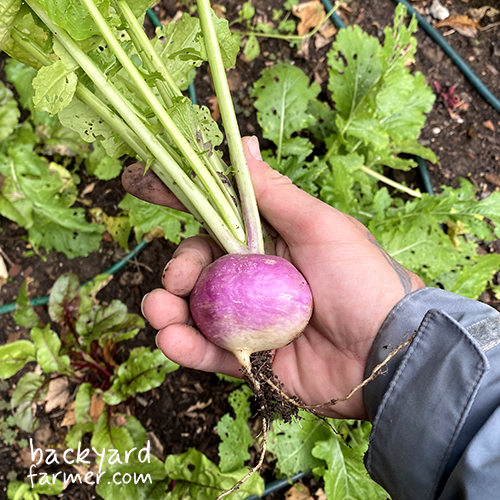
- Ready when: Roots have reached a suitable size for eating and remain firm and healthy.
- Watch for: Slug damage, splitting, root fly damage and deteriorating soil conditions.
- October tip: Lift larger roots first, allowing smaller ones to continue growing where conditions remain suitable.
Carrots can often remain in the ground into winter, although protection may be needed in colder areas. Prolonged waterlogging or pest damage may make earlier lifting worthwhile.
Mature beetroot intended for storage should be harvested before severe frost, particularly where roots protrude above the soil.
Turnips are generally best picked while still tender rather than left until they become oversized.
Parsnips, Swedes and Celeriac
Parsnips: Harvest once the roots have reached a useful size. Their flavour often becomes sweeter after exposure to cold weather, so healthy crops can remain in the ground until needed.
Mark the rows before the foliage disappears. This makes roots easier to locate later and helps prevent accidental fork damage.
Swedes: Harvest when roots are large enough to use, often around 10–15cm across. Healthy roots can remain outdoors in suitable soil conditions.
Celeriac: Begin lifting mature roots from October onwards, once the swollen base has developed to a useful size. Carefully loosen the surrounding soil to avoid cutting into the root. Smaller plants can continue developing where conditions allow.
All three crops can be harvested gradually rather than cleared at once. However, waterlogging, persistent slug damage or severe freezing conditions may make earlier harvesting more practical.
Leeks
Leeks provide one of the most reliable transitions from autumn into winter.
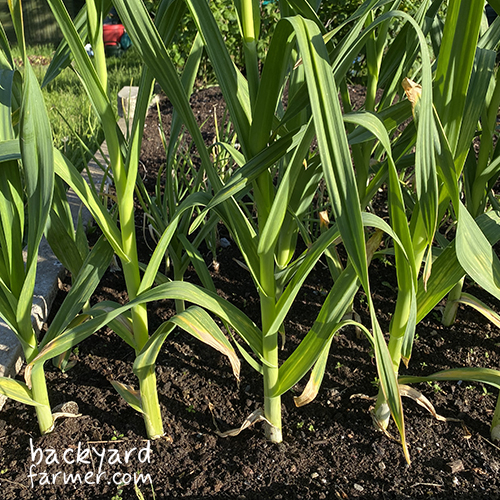
- Ready when: The stems have reached a useful thickness for the variety.
- Watch for: Leek rust, allium leaf miner damage and deteriorating foliage.
- October tip: Lift the largest leeks first, leaving smaller plants to continue growing.
Use a fork to loosen the roots rather than pulling hard on the stems.
Check for signs of allium leaf miner, particularly distorted growth and tunnelling inside the stems. Existing protective mesh should remain secure while the crop is vulnerable.
Hardy winter varieties can stand outdoors for several months, so there is no need to harvest the entire bed in October.
Kale, Cavolo Nero, Cabbage and Brussels Sprouts
- Ready when: Kale has usable leaves, cabbage heads are firm, and Brussels sprouts are tightly closed and sufficiently developed.
- Watch for: Caterpillars, pigeons, slugs and damaged or rotting leaves.
- October tip: Harvest kale and cavolo nero from the outer or lower leaves, leaving the growing centre intact.
Autumn cabbage should be cut once the head is firm and properly developed. Check beneath the outer leaves for hidden slugs.
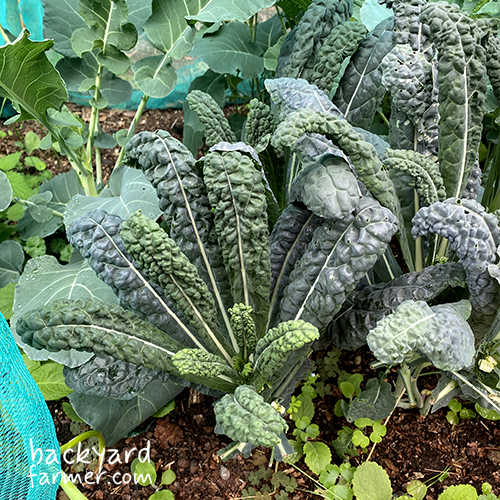
Early Brussels sprouts may be ready during October, but many varieties will not begin cropping properly until November or later. Pick from the bottom of the stem as individual sprouts mature.
Autumn cauliflower and calabrese may also be ready, depending on the variety and sowing date. Harvest while the heads remain compact, before they begin to loosen or flower.
Pak Choi, Kohlrabi and Florence Fennel
These vegetables can provide useful October harvests from successful late-summer sowings.
Pak choi: Harvest individual leaves or cut the whole rosette once the stems have thickened and leaves are healthy. Pick promptly if the plant begins producing a flowering stalk.
Kohlrabi: Harvest when the swollen stem reaches a suitable size for the variety. Smaller bulbs are generally tender, although some varieties remain good at larger sizes.
Florence fennel: Pick once the swollen base is firm and around 10–15cm across. Harvest before it begins elongating and producing a flower stem, as bolting reduces eating quality.
Slugs can be troublesome around all three crops, particularly in damp autumn conditions. Check mature plants regularly rather than leaving them standing unnecessarily.
For sowing times and growing advice, see How to Grow Pak Choi in the UK.
Spinach, Chard and Winter Lettuce
Leafy vegetables can remain productive during October, particularly in sheltered beds and under cover.
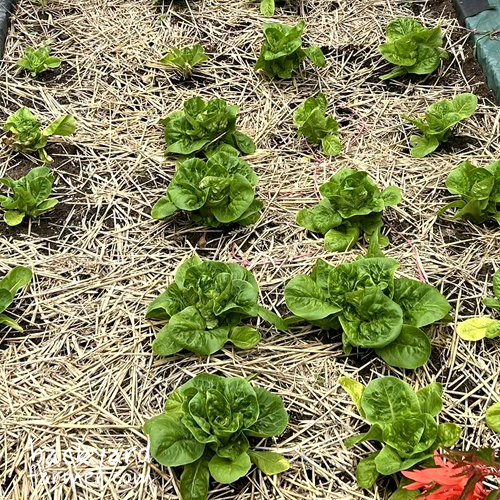
- Ready when: Leaves have reached a usable size and remain healthy.
- Watch for: Slugs, yellowing foliage and rotting leaves in damp conditions.
- October tip: Harvest outer leaves selectively, leaving the central growing point undamaged.
Swiss chard can continue providing large leaves and stems, while spinach and winter lettuce are useful for smaller autumn harvests.
Growth slows noticeably as daylight decreases. Avoid stripping plants too heavily if you want them to remain productive through winter.
The Last Summer Crops to Harvest in October
In a mild autumn, some summer crops may continue producing well into October. However, shorter days and falling temperatures make these late harvests less predictable.
| Crop | October harvesting advice |
|---|---|
| Tomatoes | Pick ripe fruit and collect healthy mature green tomatoes if frost or disease threatens |
| Peppers and chillies | Harvest usable fruit before damaging cold arrives |
| Runner and French beans | Collect remaining tender pods |
| Courgettes and marrows | Harvest usable fruit before frost damages the plants |
| Cucumbers | Pick remaining healthy fruit from sheltered or greenhouse plants |
| Sweetcorn | Harvest fully developed cobs only; late crops may not ripen |
What to Do With Green Tomatoes
Outdoor tomatoes often struggle to ripen as October progresses.
Healthy green tomatoes that have developed sufficiently can be picked and allowed to ripen indoors. Place them somewhere warm and check regularly, removing any that begin to rot.
Direct sunlight is not necessary for ripening. Warmth and the maturity of the fruit are more important.
Very small, immature green tomatoes may not ripen successfully, while fruit affected by blight or decay should not be stored alongside healthy produce.
Surplus healthy green tomatoes can also be cooked into chutneys and relishes.
For further advice, see our guide to when to harvest tomatoes in the UK.
Fruit and Nuts to Harvest in October UK
Late apples, pears and quince are among October’s main fruit harvests. Autumn raspberries and grapes may also continue producing where conditions remain favourable.
| Fruit | Ready when | What to watch for |
|---|---|---|
| Apples | Mature colour, flavour and easy release with a gentle lift and twist | Windfalls, bruising and rot |
| Pears | Fully developed but generally still firm | Overripening and damaged fruit |
| Quince | Golden-yellow skin and strong fragrance | Early frost and bruising |
| Grapes | Fully coloured, sweet and flavourful | Splitting, mould and damaged bunches |
| Autumn raspberries | Richly coloured and easily detached | Soft fruit, mould and frost |
| Hazelnuts and walnuts | Mature nuts loosening or falling | Squirrels, dampness and mould |
Apples and Pears
Late apple varieties may be ready throughout October, with some suitable for storage well into winter.
Lift each apple gently and give it a slight twist. Mature fruit should usually separate without excessive pulling. Check flavour and colour rather than relying on the calendar alone.
Pears are generally picked while still firm and allowed to finish ripening indoors. Harvesting times vary by variety, so check individual fruits rather than stripping the entire tree at once.
Only sound, undamaged fruit should be selected for long-term storage. Bruised apples and pears are usually better eaten or cooked promptly.
Quince
Quince is a traditional late-autumn fruit, often reaching maturity during October or November.
Harvest once the fruit develops a golden-yellow colour and strong fragrance, before damaging frost arrives.
Quinces are generally cooked rather than eaten raw and are particularly useful for jellies, preserves and desserts.
Autumn Raspberries and Grapes
Autumn-fruiting raspberries can continue cropping into October until colder weather brings the season to an end.
Pick ripe berries regularly and remove mouldy or damaged fruit.
Grapes should be harvested when they have developed their full sweetness and flavour. Colour alone is not always a reliable guide, so taste a few grapes before cutting the bunches.
Late blackberries may occasionally remain in sheltered gardens, but they are not a dependable main October crop.
Hazelnuts and Walnuts
Established hazel and walnut trees may still provide a harvest in October, depending on the variety and local conditions.
Collect mature nuts as they loosen or fall, checking regularly before wildlife takes them. Discard mouldy or damaged nuts and dry sound nuts appropriately before storage.
Herbs to Harvest in October
October is a good opportunity to collect remaining tender herbs while continuing to take small harvests from established hardy plants.
| Herb | What to harvest | October advice |
|---|---|---|
| Parsley | Healthy outer leaves and stems | May continue producing through autumn |
| Chives | Remaining green leaves | Growth dies back as temperatures fall |
| Mint | Healthy leafy stems | Harvest before seasonal dieback |
| Rosemary | Small leafy sprigs | Avoid heavy pruning before winter |
| Thyme | Healthy young shoots | Harvest lightly from established plants |
| Sage | Young healthy leaves | Avoid excessive cutting into woody growth |
| Basil | Remaining healthy leaves | Harvest before damaging cold |
Hardy perennial herbs such as rosemary, thyme and sage can continue providing small harvests, but avoid cutting them back heavily before winter.
Tender basil is much more vulnerable to cold. Collect usable leaves while they remain healthy.
What Crops Can You Leave Growing Until November?
October is not a deadline for clearing the vegetable garden. Several hardy crops can remain outdoors, providing fresh food through autumn and winter.
Good candidates for continued harvesting include:
- Parsnips: Often become sweeter after exposure to cold weather.
- Winter leeks: Can remain standing for several months.
- Kale and cavolo nero: Continue producing leaves during colder weather.
- Brussels sprouts: Many varieties mature from November onwards.
- Swedes and celeriac: Can be harvested gradually while conditions remain suitable.
- Winter cabbage: Leave developing heads until firm and mature.
Purple sprouting broccoli should generally be left to develop for its late-winter or spring harvest, depending on the variety.
Leaving hardy crops in the ground saves storage space and spreads the harvest over several months.
However, heavy waterlogging, persistent pests and severe freezing conditions can make earlier lifting worthwhile, particularly for mature root vegetables.
Storing and Preserving Your October Harvest
Storage conditions vary considerably between crops. Pumpkins and sweet potatoes need warmer conditions than ordinary potatoes, while suitable apple and pear varieties keep best somewhere cool.
| Harvest | Storage or preserving method |
|---|---|
| Pumpkins and winter squash | Cure suitable mature fruit and store dry and ventilated, ideally around 10–15°C |
| Maincrop potatoes | Store healthy, unwashed tubers somewhere cool, dark and frost-free |
| Sweet potatoes | Cure under suitable warm, humid conditions; avoid cold storage |
| Apples | Store suitable keeping varieties at around 4–7°C where achievable, with ventilation |
| Pears | Keep suitable storage varieties cool, around 4–7°C where appropriate, and bring indoors to complete ripening |
| Carrots and beetroot | Store suitable roots in a cool, frost-free place, protected against drying |
| Tomatoes | Ripen healthy mature green fruit indoors or cook and preserve |
| Beans | Blanch and freeze surplus tender pods |
| Autumn raspberries | Eat promptly or freeze |
| Herbs | Dry suitable herbs or freeze in small portions |
Only sound, undamaged produce should be relied upon for long-term storage.
A bruised apple, cut potato or pumpkin with a damaged stalk may still be usable, but should be eaten or preserved sooner.
Keep pumpkins separate from ordinary potatoes because their preferred storage temperatures differ. Similarly, sweet potatoes should not be placed in a cold shed alongside regular potatoes.
Check stored produce regularly and remove anything beginning to rot.
What to Sow After an October Harvest
Once beds have been cleared, there may still be time to establish crops for winter or next spring, depending on your location and growing conditions.
- Garlic: Plant cloves for next year’s harvest.
- Overwintering onions: Plant suitable autumn sets in well-drained soil.
- Broad beans: Sow hardy varieties where conditions allow.
- Winter salads: Grow suitable lettuce and leafy crops under protection.
- Green manure: Sow a suitable winter-hardy variety or mulch unused beds.
Avoid planting into frozen or waterlogged soil. If conditions are unsuitable, a layer of compost or organic mulch will help protect empty beds.
For more options, see our guide to vegetables to plant in autumn in the UK.
You can also use the free Backyard Farmer Allotment Planner to organise cleared beds and plan where next year’s crops will grow.
FAQ – What to Harvest in October UK
October vegetables include pumpkins, winter squash, maincrop potatoes, carrots, beetroot, swedes, celeriac, leeks, parsnips, kale, cabbage and chard. Pak choi, kohlrabi, Florence fennel and early Brussels sprouts may also be ready, depending on the variety and sowing date.
Late apples, pears, quince, grapes and autumn raspberries are among the main October fruit harvests. Hazelnuts and walnuts may also be ready. Some late blackberries can remain in sheltered gardens during mild autumns.
Prioritise mature pumpkins, winter squash, sweet potatoes, tomatoes, peppers, chillies, courgettes, cucumbers and remaining tender beans. Hardy crops such as leeks, kale, parsnips and swedes can usually tolerate the first light frosts.
Yes. Outdoor tomatoes may continue ripening during mild weather, while greenhouse plants can remain productive longer. If frost or disease threatens, collect healthy mature green tomatoes and allow them to ripen indoors in a warm place.
Yes. Mature pumpkins and winter squash should be harvested before freezing temperatures damage them. Leave a generous length of stalk attached and cure suitable healthy, mature fruit before long-term storage. Damaged or immature fruit should be used sooner.
Yes, provided soil conditions and pest pressure are suitable. Parsnips often become sweeter after cold weather, while carrots may need additional protection in colder areas. Waterlogging, pest damage and severe freezing conditions may make earlier harvesting preferable.
Early varieties may begin cropping in October, but many Brussels sprouts are harvested from November onwards. Pick the lowest sprouts once they are firm, tightly closed and large enough to use, leaving smaller sprouts to develop.
Leeks, kale, cavolo nero, parsnips, swedes, celeriac, Brussels sprouts and winter cabbages can often remain growing into November and beyond. Purple sprouting broccoli should generally be left to develop for its later harvest.